Your cart is currently empty!
You may check out all the available trips and book one that suits you.
Continue Browsing Trips
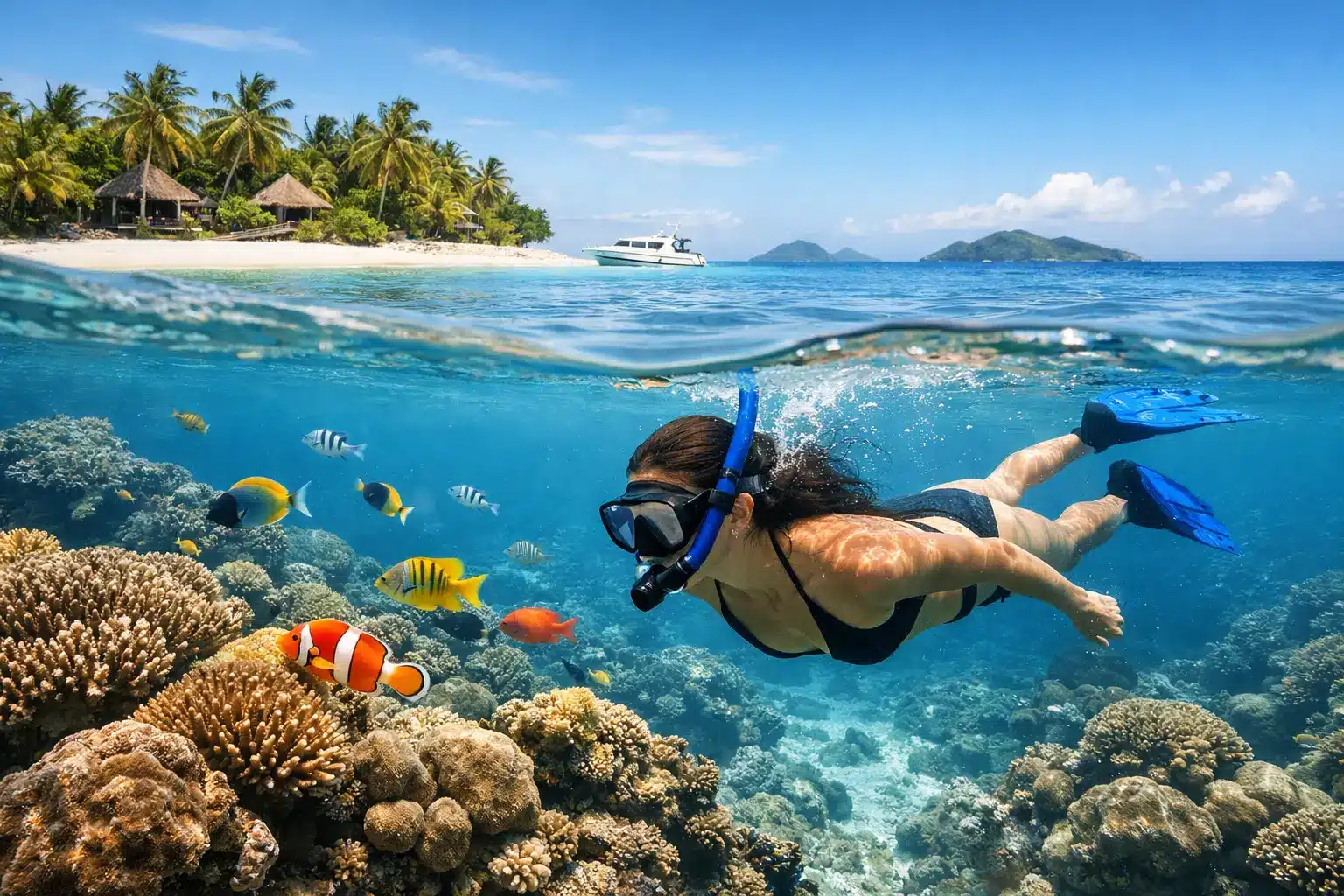
The first time you slip into the water around the Mamanuca Islands, the appeal is immediate: warm, clear sea, bright reef fish and islands that look close enough to reach by boat before morning tea. But Mamanuca snorkelling options are not all alike. The best choice depends on how much time you have, who you are travelling with, and whether you want a relaxed reef swim, a full island day out or a more adventurous open-water experience.
For most visitors staying in Nadi, Denarau or the Coral Coast, an organised Mamanuca day trip is the easiest way to enjoy Fiji’s famous island reefs without worrying about boat timings, equipment or finding a suitable snorkelling site. Local conditions change with wind, tide and visibility, so a knowledgeable crew can make a real difference to where you swim on the day.
The Mamanuca group sits west of Viti Levu, with dozens of small islands and sand cays scattered across sparkling waters. Some reefs are directly off resort beaches, while others are reached by boat at sheltered lagoons, coral gardens and reef edges. That variety is the great advantage of the region, but it also means the ‘best’ trip is personal.
A resort-based snorkel is ideal if you are already staying on an island and want to swim at your own pace. A day cruise suits travellers who want transfers, lunch and island time wrapped into one easy plan. Dedicated snorkelling excursions usually spend more time at reef locations and may visit several sites, making them a strong pick for confident swimmers and repeat snorkellers.
Families with younger children often do best on an island day trip with calm, shallow water near the beach. Couples may prefer a smaller boat or a cruise that combines snorkelling with a long lunch and time on a quiet sandy shore. If you are a strong swimmer keen to see healthier coral formations, ask about tours that visit outer reef sites rather than relying solely on a resort’s house reef.
A Mamanuca island day trip is the most convenient option for first-time Fiji visitors. You generally depart from Port Denarau, cruise through scenic island channels, then spend the day at an island resort or beach club. Snorkelling gear is often available, and many venues have a marked swimming area where you can see damselfish, parrotfish, small reef fish and occasional sea stars close to shore.
The trade-off is that the snorkelling may be only one part of the day. These trips are designed for a broad range of travellers, so expect time for lunch, pool lounging, kayaking or simply enjoying the view. They are excellent for mixed groups where not everyone wants to be in the water for hours.
If the reef is your priority, choose a tour built around snorkelling rather than an island day pass. These cruises typically carry equipment, flotation aids and crew who can brief you on the site before you enter the water. Depending on the itinerary and weather, you may visit one or more locations with better coral coverage than a heavily used beach area.
This option works particularly well for couples, solo travellers and older children who are comfortable in the sea. Check whether the tour includes lunch, towels, wetsuits in cooler months and transfers from your accommodation. Transparent inclusions make comparing tours much easier than focusing on the headline price alone.
Staying in the Mamanucas gives you the freedom to snorkel before breakfast, after lunch or whenever the water looks calmest. Some resorts have a house reef accessible from the beach, jetty or a short boat shuttle. It is the most relaxed way to snorkel, especially when you want to avoid a fixed departure schedule.
House reefs vary greatly. A beautiful island does not automatically mean exceptional coral straight off the sand. Before booking accommodation, ask how far the reef is from shore, whether a boat transfer is needed, and if the water becomes shallow at low tide. Resorts can also advise on currents, safe entry points and the best time of day for visibility.
A private boat charter is worth considering for families, friends or travellers celebrating a special occasion. You can often shape the day around your interests, whether that means a shorter snorkel for children, a secluded beach stop, or more time at a reef that is performing well in current conditions.
It costs more than joining a shared cruise, but the value improves when the cost is split across a small group. It also offers welcome flexibility for travellers with mobility needs, nervous swimmers or a cruise-ship schedule that leaves little room for delays. A trusted local operator can help set realistic expectations about travel time, weather and suitable sites.
Mamanuca reefs can be full of colour, particularly on a clear, calm day. Expect schools of blue-green chromis, striped sergeant major fish, butterflyfish, wrasse and parrotfish moving across hard coral and coral bommies. Keep an eye into the blue water beyond the reef and you may spot larger fish passing through.
Turtles are possible but never guaranteed, and that is worth remembering when comparing tours. Wildlife sightings should be a bonus, not a promise. The quality of a snorkelling trip is usually better measured by safe conditions, healthy reef habitat, good crew support and enough unhurried time in the water.
Coral health can differ from one site to the next and change after storms or unusually warm periods. Guides may alter an advertised route to protect guests or find clearer, calmer water. That is not a downgrade – it is often the sign of a responsible operation making the right call.
Fiji is a year-round destination, and the Mamanucas are popular in every season. The drier months from around May to October often bring cooler temperatures, lower humidity and pleasant conditions for boat travel. Water can still be wonderfully warm, though some people prefer a rash shirt or light wetsuit for longer swims.
The warmer, wetter months from November to April can deliver bath-like water and excellent visibility on calm mornings. There is also more chance of rain, humidity and tropical weather. Rain does not necessarily spoil a snorkelling trip, but strong wind can create surface chop and reduce comfort, particularly for first-time snorkellers.
For the clearest water, aim for a morning departure and avoid expecting perfect conditions every day. Tide, wind direction and recent rainfall all matter. A flexible itinerary, especially if you have several days in Fiji, gives you the best chance to choose a favourable day.
Good snorkelling does not require advanced skills, but confidence in the water makes the experience far more enjoyable. Let the crew know if you are not a strong swimmer. Most professional tours can provide a flotation vest or noodle, and using one lets you relax, conserve energy and focus on the reef below.
Use a well-fitting mask, take a few minutes to practise breathing through the snorkel, and never rush into the water while the boat is moving. Stay with your buddy, listen for the guide’s boundaries and keep clear of boat channels. If conditions feel beyond your comfort level, it is completely fine to stay near shore or enjoy the island from dry land.
Please do not stand on coral, chase marine life or feed fish. Coral is fragile, even when it looks like rock, and one careless step can damage years of growth. Wear a rash shirt for sun protection where possible, and choose reef-conscious sunscreen if you need it. Your photos will be better when the reef stays healthy for the next visitor too.
Departure points, travel times and inclusions vary, so check the practical details before you commit. A tour leaving from Denarau may be straightforward for guests in Nadi, but guests on the Coral Coast should factor in an early pickup and a longer return journey. If you are arriving by cruise ship, choose an excursion designed around your ship’s confirmed port times rather than assuming a standard day tour will fit.
Ask whether snorkelling equipment, lunch, hotel transfers and marine or landing fees are included. Confirm the minimum age for children, whether there is shade on board, and what happens if weather prevents the planned reef stop. These are small questions that prevent surprises on the day.
Best Fiji Activities can help match a Mamanuca snorkelling experience to your hotel location, travel dates and confidence in the water, with practical local advice before you book. The right trip should feel easy from pickup to return, leaving you free to enjoy the reef, the islands and that first brilliant flash of colour beneath the surface.
If you only have one free day in Fiji, choose the option that gives you enough time to settle into the water rather than racing between activities. A calm, well-supported snorkel at the right reef is often the holiday memory that stays with you longest.

Comments (2)