Your cart is currently empty!
You may check out all the available trips and book one that suits you.
Continue Browsing Trips
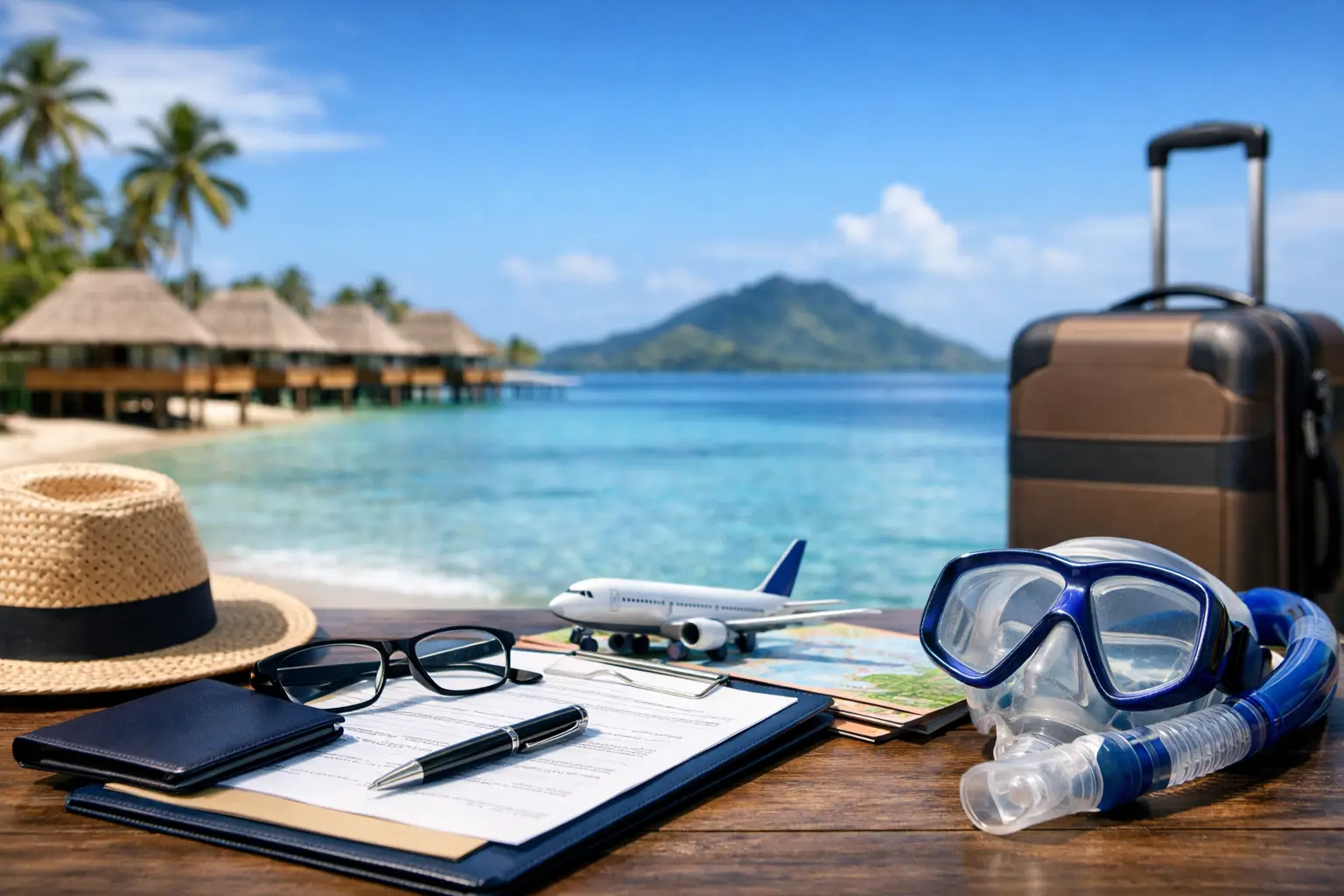
A morning cruise through the Mamanucas, a village visit on the Coral Coast or a river safari near Pacific Harbour should be remembered for the right reasons. Understanding Fiji insurance requirements before you fly gives you the freedom to enjoy those brilliant moments without worrying about an expensive surprise far from home.
For most Australian holidaymakers, the key point is straightforward: travel insurance is generally not a compulsory condition of entry to Fiji. That does not make it optional in practical terms. Medical treatment, emergency transport between islands, cancelled connections and lost luggage can quickly turn a great-value Fiji escape into a costly situation.
Fiji does not generally require Australian visitors to show proof of travel insurance when arriving for a holiday. Australian passport holders are commonly granted a visitor permit on arrival, provided they meet Fiji’s current immigration conditions.
Those conditions can include having a passport valid for the required period, evidence of onward or return travel, and enough funds for your stay. Entry rules can change, and travellers with non-Australian passports, long stays, work plans or special travel circumstances may face different requirements. Check the current conditions directly before departure rather than relying on an old booking confirmation or advice from a friend.
While insurance is not normally an entry document, it is strongly recommended for every visitor. Fiji is wonderfully accessible from Australia, but it is still an overseas destination. Medicare does not cover medical costs in Fiji, and Australia does not have a reciprocal healthcare agreement that gives visitors broad access to free treatment there.
Fiji has capable medical facilities in larger centres including Nadi, Lautoka and Suva. However, the level of care and equipment available can be more limited on small islands and in remote areas. A serious illness or injury may require transfer by boat, road ambulance or air to a larger facility, and in some cases medical evacuation to Australia.
That is where a low-cost policy can become one of the most valuable bookings on your itinerary. The right cover is not about expecting something to go wrong. It is about knowing that a sudden appendicitis, reef cut that becomes infected or badly timed fall will not force you to make medical decisions based on cost.
Look for strong overseas medical and hospital cover, emergency medical evacuation and 24-hour assistance. A policy with a very low medical limit may look attractive until you consider the cost of a specialist transfer from an outer island. Unlimited medical cover is common in many comprehensive policies, although the conditions, exclusions and excess still matter.
Cancellation and trip-disruption cover are just as useful when your holiday includes several moving parts. A Fiji itinerary may combine international flights, a domestic connection, resort accommodation, ferry transfers and prepaid island tours. If a covered event stops you from travelling, cancellation cover can help with non-refundable costs. If disruption happens during the trip, it may assist with eligible extra accommodation or transport expenses.
The detail matters. Insurance usually covers unforeseen events defined in the policy, not a simple change of mind, a known medical issue that was not declared, or weather problems already publicised when you bought the cover. Read the product disclosure statement before paying, particularly during the cyclone season from November to April.
Fiji is made for getting out on the water. Snorkelling in clear lagoons, scuba diving, jet boating, ziplining, white-water rafting, paddleboarding and cultural day trips are all part of what makes a Fiji holiday unforgettable. Yet many standard travel policies treat adventure activities differently.
Casual snorkelling is often included, but scuba diving may have depth limits, qualification requirements or a need for an additional adventure-sports option. Jet skiing, parasailing, surfing, kitesurfing, shark dives, white-water rafting and waterfall walks can also be subject to exclusions or conditions. Do not assume that an activity being available through a reputable tour operator means your personal insurance automatically covers it.
Before booking, check that your policy covers the specific activity, the location and your level of participation. If you have a pre-existing medical condition, are pregnant, are over the insurer’s standard age threshold, or plan to dive, arrange written confirmation where needed. It is much easier to upgrade cover before departure than to discover an exclusion after an incident.
Tours are operated with safety procedures, experienced guides and appropriate equipment, but every traveller should still follow the briefing, wear supplied safety gear and be honest about swimming ability, fitness and medical conditions. Ignoring an operator’s safety instructions can affect both your safety and an insurance claim.
A day cruise or resort transfer may feel like a short add-on from Nadi, but weather and sea conditions can affect schedules. Keep a sensible buffer between an island transfer and an international flight. Travel insurance may help in certain disruption scenarios, but it will not replace practical planning.
If you are staying in the Yasawa Islands or another remote location, carry any prescribed medication in your hand luggage and take enough for the whole stay, plus a little extra. Keep medicines in original packaging and bring prescriptions or a doctor’s letter if appropriate. Your insurer’s emergency assistance number should be saved on your mobile and written down separately in case your phone is lost or flat.
If you hire a car, check the rental agreement as carefully as your travel insurance policy. Rental companies often include basic vehicle cover, but a sizeable excess may still apply for damage, theft, tyres, windscreens or single-vehicle incidents. Some travel insurance policies offer rental vehicle excess cover, although limits and exclusions vary.
Make sure you are permitted to drive under the hire company’s rules and hold the correct licence. Driving on unfamiliar roads after dark, crossing flooded areas, taking a vehicle off sealed roads where prohibited, or allowing an unauthorised person to drive can leave you liable. A pre-arranged airport or resort transfer is often the easier option after a long flight, especially for families and groups carrying plenty of luggage.
For transfers, tours and cruises, reputable operators maintain their own business and liability arrangements. However, an operator’s insurance is not a substitute for your own travel cover. Their policy is designed for their legal responsibilities; your policy is there to protect your medical expenses, belongings, cancellation costs and other personal losses under its terms.
Pre-existing medical conditions are among the most common areas of confusion. Asthma, diabetes, heart conditions, mental health conditions, previous injuries and ongoing medication may need to be declared, even if you are travelling well and expect no issues.
Some insurers automatically cover certain conditions when specified criteria are met. Others require a medical assessment or charge an additional premium. Skipping that step to save money can put a related claim at risk. Be accurate, ask questions and keep a copy of the insurer’s confirmation with your policy documents.
The same goes for alcohol-related incidents. Fiji’s relaxed holiday atmosphere is part of its appeal, but excessive alcohol or drug use may limit cover. Enjoy the beach bar, then make sensible choices around swimming, boats, scooters and late-night walks.
Aim to buy travel insurance as soon as you pay deposits for flights, accommodation, cruises or tours. Early purchase can provide cancellation protection before you leave, subject to the policy terms. Then confirm that it includes overseas medical care and evacuation, cancellation and delays, luggage cover, and any water-based or adventure activities on your wish list.
Check the excess you would pay for a claim, the medical cover limits, exclusions for cyclones and natural disasters, rental vehicle excess benefits, and rules for valuables such as cameras, jewellery and mobiles. Take photos of expensive gear and avoid packing essentials or medication in checked baggage.
Finally, carry your policy number, emergency assistance contact, passport details and booking information in more than one place. A printed copy may seem old-school, but it is useful when island Wi-Fi is patchy or your phone has had an accidental encounter with the sea.
A well-chosen policy lets you focus on the good stuff: the first glimpse of a palm-fringed island, the warmth of a Fijian welcome and the confidence to book the experiences that make your holiday truly memorable.