Your cart is currently empty!
You may check out all the available trips and book one that suits you.
Continue Browsing Trips
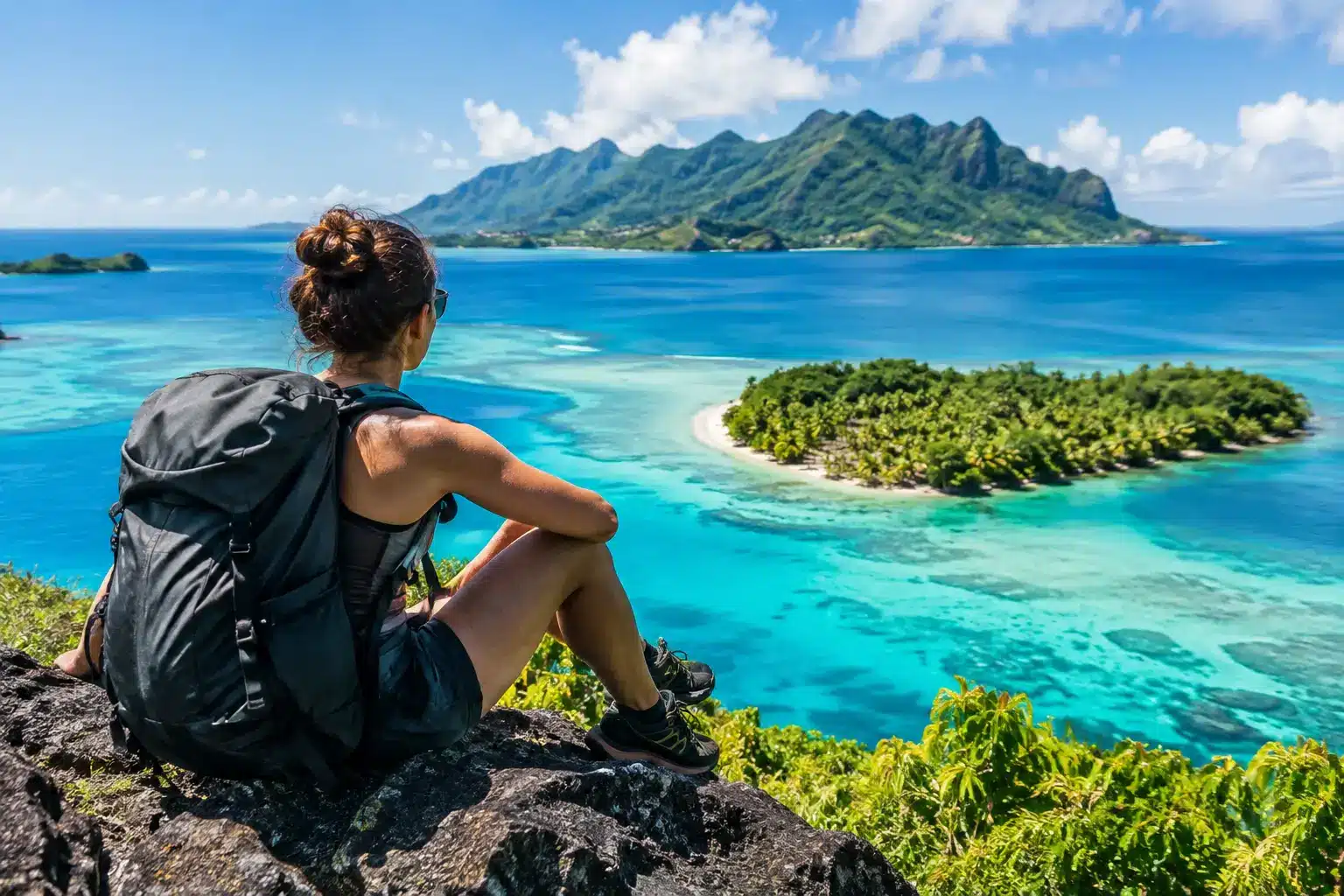
Fiji adventure travel trends are shifting away from simply ticking off a beach and snorkelling stop. Travellers still come for the brilliant water and warm weather, of course, but they increasingly want a day that feels personal: a jungle waterfall reached by foot, a reef explored with a local guide, a village visit that is respectful and genuine, or a boat trip that leaves time to actually enjoy an island rather than rush through it.
For Australians, Fiji remains one of the easiest places to add real adventure to a relaxing tropical holiday. Direct flights, short transfer times from Nadi and a broad choice of tours mean couples, families and first-time visitors can choose their own pace. The strongest trend is not extreme adventure for its own sake. It is well-organised, locally led experiences that combine spectacular scenery, culture and comfort.
Big group boat days still have their place, particularly for travellers who want an affordable, sociable way to see the Mamanuca Islands. Yet more visitors are choosing smaller-group and private excursions where the itinerary feels less fixed. They want room to swim when the water is inviting, spend longer on a sandbar, or choose a quieter snorkelling site when conditions change.
This is especially appealing for honeymooners, multigenerational families and small groups celebrating a special occasion. A private boat charter costs more than a standard island day trip, but the value can be excellent when the group shares the price and wants flexibility. It also makes the day easier for travellers with younger children, limited mobility or a preference for avoiding busy resort schedules.
The practical lesson is to book the experience that suits the day you want, not just the island name. Ask about group size, boat type, inclusions, departure point and how much time is actually spent ashore. Transparent details matter when the holiday window is short.
Fiji’s coral reefs remain a major drawcard, from the clear lagoons of the Mamanucas and Yasawas to the renowned soft coral areas around Pacific Harbour. What is changing is the way travellers assess a snorkelling or diving trip. Many now look for operators who brief guests carefully, select sites according to conditions and encourage reef-safe behaviour rather than treating the ocean as a backdrop for photos.
That means better guides, smaller snorkelling groups and more interest in learning what guests are seeing beneath the surface. A good marine briefing can turn a pleasant swim into a far more memorable experience, whether you spot colourful reef fish, giant clams, turtles or coral gardens shaped by currents and seasons.
Conditions are never identical from one day to the next. Visibility, wind and tide influence the best location, and responsible operators adjust accordingly. Travellers should be wary of anyone promising a particular wildlife encounter or perfect water clarity. The best Fiji tours set realistic expectations, put safety first and still know how to find the day’s standout moments.
Fiji is often marketed through its beaches, but inland adventure is receiving deserved attention. Waterfall walks, rainforest trails, river experiences and scenic drives give visitors a different view of the islands and create a welcome balance after a few lazy pool days.
On Viti Levu, the Coral Coast and Pacific Harbour offer easy access to lush landscapes, while excursions from Nadi can combine countryside, local markets, gardens and cultural stops. Some walks are gentle and suited to most fitness levels; others involve uneven tracks, creek crossings or steep sections. This is where local advice makes a genuine difference. A suitable hike for an active couple may not be right for a family with a toddler or a traveller managing a sore knee.
Pack shoes that can get wet, sunscreen, insect repellent and a refillable water bottle. For waterfall trips, a dry bag for your mobile and towel is also useful. Fiji’s tropical weather can change quickly, especially in the wetter months, so an adaptable attitude is part of the adventure.
One of the most meaningful Fiji adventure travel trends is the desire for cultural connection. Visitors want to understand the places they travel through, not simply pass them by. Village visits, kava ceremonies, handicraft demonstrations and locally guided storytelling can add depth to a day on the water or in the countryside.
Authenticity depends on respect. Fiji’s village communities have customs around dress, behaviour and photography, and a professional guide will explain these clearly before arrival. Modest clothing is usually expected, hats may need to be removed and it is polite to ask before taking photographs. These small courtesies help visitors feel welcome and ensure the experience is positive for hosts as well as guests.
Culture-led touring works best when it is not overproduced. A shared meal, a conversation with a guide about family life, or hearing the meaning behind a traditional welcome can be more powerful than a tightly staged performance. Look for tours that allow time to listen and engage.
Fiji is proving that adventure does not have to mean roughing it. Many travellers want a morning of ziplining, river rafting or off-road exploring followed by a comfortable transfer, a fresh lunch and time back at their resort before sunset. This blend is particularly attractive for Australians travelling for a week or less, where every day needs to work hard without becoming exhausting.
Pacific Harbour is a standout for travellers after higher-energy options, including river and forest adventures, while the Mamanucas are ideal for easy-access snorkelling, sailing and island time. The Yasawas suit those who can stay longer and want a slower, more remote island rhythm. Around Nadi and the Coral Coast, visitors can pair sightseeing and cultural experiences with straightforward hotel pick-ups.
There is no single best region. It depends on where you are staying, how many nights you have and whether your idea of adventure involves paddling through mangroves, floating above coral or walking to a waterfall. Trying to cover every region in a short holiday often creates too much time in transit. Choosing one or two strong experiences near your accommodation usually delivers a better trip.
The dry season, generally from May to October, is popular for lower humidity, comfortable sightseeing and reliable beach days. It is also the busiest period, so sought-after boats, private tours and family-friendly departures can book out well ahead. The wetter season brings greener landscapes, warmer water and often better availability, although rain showers and occasional rougher seas need to be factored into plans.
A little rain does not automatically spoil a Fiji holiday. Showers can be brief, and rainforest activities can be especially beautiful after rainfall. However, ocean-based itineraries are more dependent on wind and sea conditions than land tours. Keep one flexible day in your schedule if possible, particularly when a reef trip or island cruise is a priority.
Transfers deserve just as much attention as the tour itself. An early boat departure, a late resort check-in or travel with children becomes far easier when airport and hotel transport is arranged in advance. Reliable local drivers know the routes, resort access points and realistic travel times, helping the holiday begin without unnecessary stress.
As travellers become more selective, clear pricing has become a major part of value. The cheapest advertised tour is not always the best buy if it excludes hotel transfers, equipment, meals, park fees or essential gear. Before confirming, check what is included, what to bring, minimum age rules, fitness requirements and the cancellation policy if weather affects the trip.
For water adventures, ask whether snorkelling equipment and flotation aids are provided. For land tours, confirm whether lunch, drinking water and entry fees are included. Families should also check travel times and toilet access, while seniors may wish to ask about boarding steps, walking surfaces and available assistance.
Best Fiji Activities helps visitors bring these moving parts together, with trusted local tours, straightforward transport and practical advice based on where you are staying. That local planning support can turn a good excursion into a day that feels effortless from pick-up to drop-off.
The most rewarding Fiji adventure is rarely the one with the busiest timetable. Leave space for an unplanned swim, a chat with your guide and the moment when the boat rounds the headland to reveal that impossible shade of blue. Book the essentials with confidence, then let Fiji do what it does best.