Your cart is currently empty!
You may check out all the available trips and book one that suits you.
Continue Browsing Trips
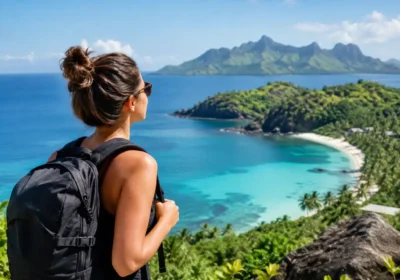
The Fiji many visitors picture is all reef lagoons, palm-fringed beaches and island resorts. Koroyanitu National Park offers a brilliant change of scene: a green highland landscape above Lautoka, where forest tracks lead to waterfalls, village life and wide views across western Viti Levu. For travellers who want their Fiji holiday to include more than the coast, this is one of the most rewarding day trips on the main island.
Set in the north-western highlands of Viti Levu, Koroyanitu National Park protects a varied landscape of native forest, grass-covered ridges, streams and mountain country. It feels wonderfully peaceful compared with the busy resort areas around Nadi and Denarau, yet it is close enough to make a memorable full-day adventure.
The park is closely connected to the local communities around it, particularly Abaca Village. That connection is a large part of what makes a visit special. This is not simply a place to tick off a viewpoint. Visitors can experience the warmth of Fijian hospitality while walking through country that has cultural meaning as well as exceptional natural beauty.
The headline challenge is Mount Batilamu, often called the Sleeping Giant. At more than 1,100 metres above sea level, it is among Fiji’s best-known mountain hikes. But the park is not only for serious walkers. There are shorter forest and waterfall walks that suit active families, couples and travellers who would rather enjoy the scenery without taking on a major summit day.
Your ideal route depends on your fitness, available time and the weather. A locally guided visit is the smart choice, especially if you are new to Fiji’s inland terrain. Trails can be muddy after rain, conditions change quickly at higher elevation, and a local guide adds the stories that turn a nice walk into a meaningful experience.
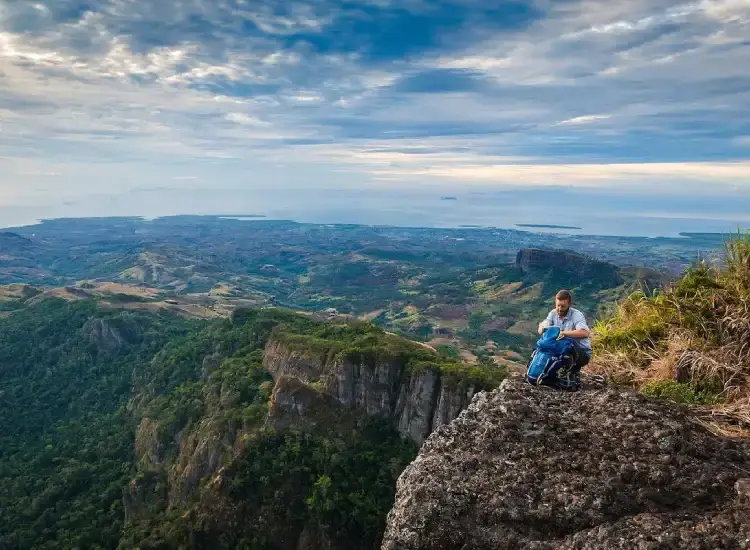
The Mount Batilamu hike is for travellers who enjoy a genuine physical challenge. The route includes steady climbing, uneven ground and exposed sections, so supportive hiking shoes are essential. The effort is repaid with sweeping views over the western side of Viti Levu. On a clear day, the landscape opens from layered mountains and cane country towards the Yasawa Islands offshore.
Allow a full day for this experience, including transfers, walking time and rest stops. It is best suited to confident, reasonably fit walkers who are happy with a slower-paced holiday day in exchange for a spectacular summit. If visibility is poor or rain is persistent, choosing a lower trail can be a better call. Fiji’s mountains are still beautiful in mist, but the big coastal panorama may not appear.
For a gentler introduction, the tracks around Abaca can take you through cool forest, across streams and towards waterfalls where you may be able to enjoy a refreshing swim. Savuione Waterfall is one of the park’s most popular natural highlights, with a walk that feels distinctly different from Fiji’s beachside attractions.
These shorter routes are often the better option for families with older children, travellers visiting in warmer months, or anyone with limited time. They still require proper footwear, drinking water and a willingness to walk over natural terrain. Think trail shoes rather than thongs, and bring a towel and swimmers if your guide confirms swimming conditions are suitable.
A visit arranged through the local community can include time in or around Abaca Village, where guests gain a more personal understanding of rural Fijian life. Cultural etiquette matters here. Dress modestly, follow your host’s guidance and ask before taking photographs of people, homes or ceremonies.
This is also why visiting with respect has a direct benefit. Park access and community-led tourism can help create local opportunities while giving guests a more authentic experience than a quick roadside stop ever could. Come curious, unhurried and ready to listen.
Koroyanitu National Park is generally easiest to reach from Lautoka, Nadi and the Denarau area. From Nadi, allow a full day once road transfers and trail time are included. The final approach can be rural and rough in places, particularly after heavy rain, so a suitable vehicle and an experienced driver make the journey far more comfortable.
Independent travellers should confirm current access arrangements before setting out. Track availability, guide requirements, village protocols and entry costs can change, and mobile coverage may be limited once you are in the highlands. Booking a guided trip removes much of that uncertainty, with transport, timing and local arrangements organised in advance.
Best Fiji Activities can help travellers pair a highland adventure with reliable transfers and practical Fiji holiday planning, so the logistics do not take away from the day itself. It is a particularly good option for visitors who want local insight without hiring a vehicle or navigating unfamiliar back roads.
The mountain climate can be cooler than the coast, while the humidity and sun are still very real. Wear light layers that you can add or remove, and choose clothes you do not mind getting muddy. A rain jacket is sensible year-round, not only in Fiji’s wetter season.
Bring a reusable water bottle, high-energy snacks, insect repellent, sunscreen, a hat and a small daypack. Closed-toe shoes with grip are non-negotiable for Mount Batilamu and strongly recommended on waterfall tracks. If you are travelling with a camera or mobile, use a waterproof pouch or dry bag. Stream crossings and sudden showers are part of the experience.
For village visits, avoid very short shorts or revealing tops. A sulu or lightweight wrap is useful to have in your daypack, and it shows consideration for local customs.
The drier months, usually from May to October, often offer the most comfortable conditions for longer walks. Trails may be firmer, humidity lower and summit views more reliable. This is also a popular travel period, so arrange a guide and transport ahead if your itinerary is fixed.
From November to April, the landscape is at its lushest and waterfalls can be especially impressive. The trade-off is heavier rain, wetter tracks and a greater chance of cloud limiting mountain views. A shorter waterfall-and-village day can be an excellent wet-season alternative to a summit attempt.
No matter the month, start early. Morning temperatures are more pleasant, afternoon rain is less likely to disrupt your walk, and you will have more time to enjoy the setting without rushing back to the coast.
Koroyanitu is an excellent fit for active couples, small groups, nature lovers and repeat Fiji visitors looking beyond the familiar island cruise. It also works well for families with outdoorsy teenagers, provided the walk is matched carefully to their ability.
It may not be the best choice for travellers with limited mobility, very young children or anyone hoping for a low-effort sightseeing day. In that case, a cultural tour, scenic drive or relaxed island day trip may deliver more enjoyment. The best Fiji itinerary balances big adventure days with enough time to slow down afterwards.
Koroyanitu National Park is a living landscape, not a theme park. Stay on established tracks, take all rubbish with you, avoid disturbing wildlife and never leave food or plastic near streams. Listen to your guide around waterfalls and river crossings, especially after rain.
Most of all, give the highlands the time they deserve. Start with an early transfer, walk at a pace that lets you notice the birdsong and changing forest, then share a proper conversation with your local hosts. Those quiet moments between the big views are often what travellers remember most from Fiji.