Your cart is currently empty!
You may check out all the available trips and book one that suits you.
Continue Browsing Trips
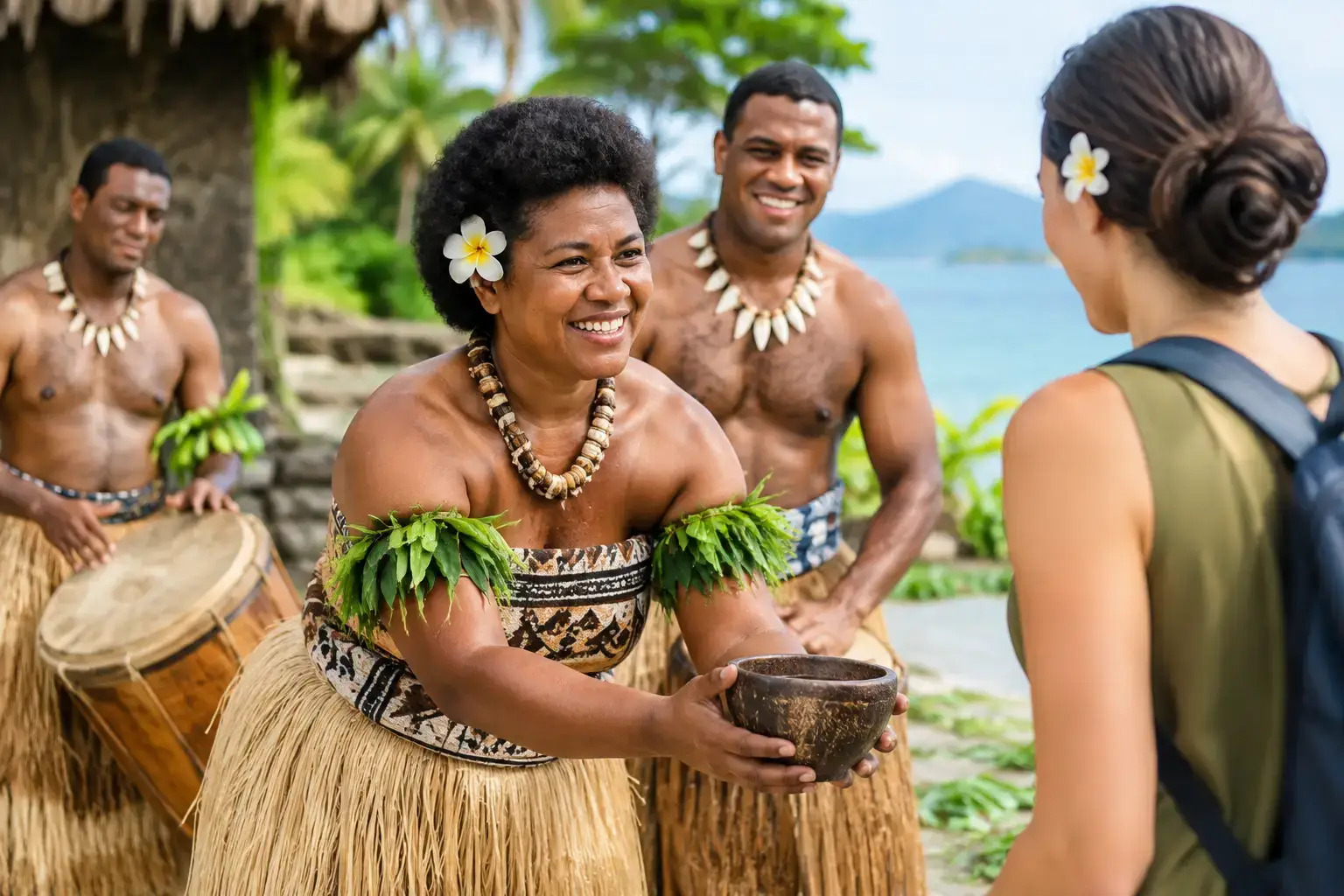
The most memorable Fiji holidays are not only about the water. They are the evening when a kava bowl is shared with new friends, the sound of a meke performance under the stars, and the warm welcome offered in a village far beyond the resort gate. A well-planned Fiji cultural itinerary gives you space for these moments while keeping transfers, touring and downtime easy to manage.
Fiji is home to diverse communities, languages and island traditions, so culture is never a single, packaged experience. The best approach is to choose respectful, locally hosted experiences and avoid cramming every day with activities. A few genuine encounters, combined with time to enjoy the beaches and islands, will feel far more rewarding.
For most Australian travellers, Nadi is the natural starting point. It is practical after an international flight, with a wide choice of hotels, restaurants and transfer options, but it also offers a useful introduction to everyday Fijian life.
Set aside a morning for Nadi Market, where seasonal tropical fruit, root crops, spices and handicrafts fill the stalls. It is not a polished attraction, and that is part of its appeal. Walk slowly, ask before taking photos, and buy something small if you stop to chat with a vendor. Fresh pineapple, bananas and local snacks are an easy start.
A visit to Sri Siva Subramaniya Temple adds another perspective. Fiji’s cultural story includes strong iTaukei, Indo-Fijian, Chinese, European and Pacific influences. The colourful Dravidian architecture is striking, but visitors should dress modestly, remove shoes where required and follow instructions from temple staff.
If you have arrived early enough, finish with a relaxed sunset dinner rather than a big tour. Fiji time is real – an itinerary works better when you allow for flight delays, jet lag and the simple pleasure of doing less on your first day.
A village visit is often the heart of a Fiji cultural itinerary, but the quality of the experience matters. Choose an organised visit led by local hosts or an experienced Fiji operator that has genuine community relationships. This helps ensure your visit is welcomed, respectful and beneficial to the people sharing their home.
Many visits include a traditional sevusevu ceremony, where yaqona, commonly known as kava, is presented to the village chief or representative. You may then be welcomed into the community, learn about village life, meet local families and see a school, church or community hall, depending on the programme.
Kava is made from the root of a pepper plant and served from a communal bowl. Its mild numbing effect on the lips is normal. When offered a bowl, follow your host’s lead: clap once before receiving it, drink it in one go if you are comfortable, then clap three times and say “vinaka”, meaning thank you. It is perfectly fine to be polite, curious and measured. If you do not drink alcohol or have a health concern, let your guide know beforehand, as kava is not alcohol but may still not suit everyone.
Dress conservatively for village visits. Cover shoulders and knees, and avoid beachwear, very short shorts or revealing clothing. A sulu, Fiji’s versatile wraparound garment, is often available or recommended. Ask before photographing people, homes or sacred spaces, and remember that a village is a living community, not a film set.
Independent travellers can reach some communities, but turning up unannounced is not appropriate. An organised cultural tour handles permissions, transport, timing and local protocol. It also means you can listen rather than worry about whether you have done the right thing.
For families, seniors and first-time Fiji visitors, this is especially valuable. A good guide can explain what you are seeing, help children participate respectfully, and make the day comfortable without removing the authenticity that makes it special.
After Nadi, head south along Viti Levu’s Coral Coast for a richer mix of landscapes and cultural activities. This region suits travellers who want more than a resort stay, with villages, river valleys, farms and traditional performances within reach of the coast.
The Sigatoka Valley is known as Fiji’s “salad bowl” because of its productive farmland. A guided valley excursion can reveal a side of Fiji that beach-only visitors often miss: sugar cane fields, fruit and vegetable farms, local schools and villages surrounded by green hills. It is a worthwhile contrast to the Mamanuca Islands and a strong choice for travellers who enjoy scenic drives and conversations with local guides.
In the evening, look for a cultural show that explains rather than simply performs. A meke combines song, dance, chant and storytelling, with movements that can share history, celebrate a place or honour an occasion. The best performances feel lively and entertaining, but they also carry meaning. Stay for the full programme, listen to the introduction and support local artisans if crafts are available for sale.
A lovo feast is another classic experience. Food such as chicken, fish, pork, taro, cassava and vegetables is slow-cooked underground over heated stones, creating a smoky, earthy flavour. It is ideal for travellers wanting a social evening, though dietary requirements should be requested ahead of time. Vegetarian and gluten-free options are often possible with notice, but do not assume every remote venue can cater at the last minute.
Island day trips are brilliant for snorkelling and scenery, but an overnight stay can create a more meaningful connection. The Yasawa Islands are particularly appealing for travellers who want a simple, community-oriented island experience alongside clear water and spectacular beaches.
Smaller island properties may offer weaving demonstrations, cooking sessions, village walks, Sunday church visits or informal kava nights. These are often gentler and less structured than a full-day cultural tour. That can be exactly the point. You might learn how coconut is used in cooking, watch a basket being woven, or hear stories shared by staff whose families live nearby.
It depends on your travel style. Couples seeking maximum comfort may prefer a quality resort with planned cultural activities, while adventurous travellers may enjoy a smaller island stay with fewer frills and stronger local interaction. Families should also consider boat travel times, room configurations and meal arrangements before choosing a remote island.
Do not expect every island to offer the same programme every day. Weather, church events, school schedules and village commitments can shape what is available. Flexibility is part of travelling well in Fiji.
If your holiday includes Pacific Harbour, you can pair culture with adventure. This region is known for river excursions, rainforest scenery and high-energy activities, but it also has powerful cultural experiences, including traditional firewalking on selected tours and at events.
Firewalking is associated with the Sawau people of Beqa Island and is a significant tradition, not just a dramatic photo opportunity. A reputable guide or host should explain its history and the protocol around the performance. Watch with respect, follow safety directions and resist the urge to push into the front for a photo.
Pacific Harbour can work well as a two-night stop between the Coral Coast and Suva, or as an alternative base for visitors who want culture and adventure in the same part of the trip. If your time is limited, choose either a cultural river journey or a village visit rather than trying to do both in one rushed day.
Cultural touring is more enjoyable when the basics are organised. Book transfers around your arrival and departure times, particularly if you are changing regions or catching a boat to the islands. Fiji roads can be scenic but slower than maps suggest, and weather can affect travel times.
Pack modest clothes for community visits, a light rain jacket, reef-safe sun protection, insect repellent and cash in small denominations for market purchases or optional local crafts. Carry a reusable water bottle, but ask your accommodation or guide where drinking water is available before filling it.
When choosing tours, transparent inclusions matter. Check whether transport, meals, village contributions, entry fees and equipment are included, and ask about age limits or mobility requirements. A cultural experience should feel welcoming, not confusing. Local experts at Best Fiji Activities can help combine trusted tours, island connections and private transfers into an itinerary that suits your pace.
Finally, leave room for conversation. The Fiji you remember may not be the item you ticked off a list, but the person who taught you a Fijian phrase, explained the meaning of a dance, or invited you to sit for one more bowl of kava. Travel with curiosity, good manners and an unhurried schedule, and Fiji will meet you with generosity.