Your cart is currently empty!
You may check out all the available trips and book one that suits you.
Continue Browsing Trips
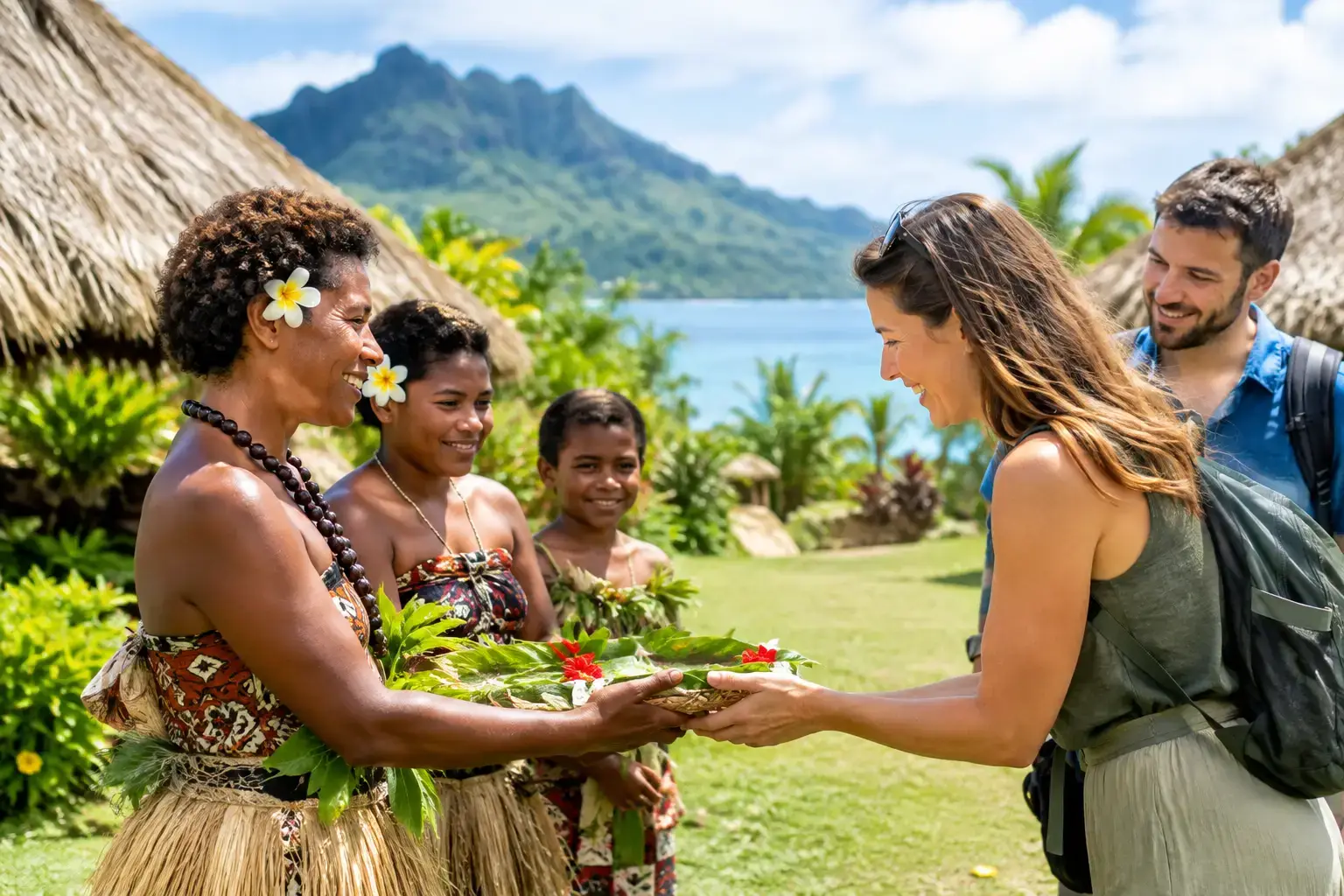
A village visit can be one of the most memorable parts of a Fiji holiday, but it is not simply a stop between the beach and lunch. Guided Fiji village visits offer a welcome into a living community, where family, faith, tradition and daily routines matter far more than a tourist timetable. With the right local guide and a respectful approach, travellers can enjoy a warm, meaningful cultural experience while contributing positively to the community hosting them.
For visitors staying around Nadi, the Coral Coast, Pacific Harbour or the islands, a guided visit is an easy way to see a side of Fiji that resort life alone cannot show. The best experiences are organised with village permission, led by guides who understand local protocol, and allow time for genuine conversation rather than a rushed photo opportunity.
Fijian villages are not open-air museums. People live, work, worship, raise children and welcome guests there. That is exactly why a guide is valuable. They can explain which areas may be visited, when it is appropriate to enter, what to wear, whether photographs are welcome and how to take part in a ceremony without causing offence.
Many tours begin with a formal welcome at the village meeting house, known as a bure or community hall depending on the area. Your guide may present yaqona, commonly called kava, to the village chief or representative as a sign of respect. This presentation is called sevusevu. It is more than a tour inclusion: it acknowledges the hosts and asks permission to visit their land and community.
The atmosphere is often relaxed and cheerful after the formal welcome. You may meet local families, visit a school when classes and village arrangements allow, watch a handicraft demonstration, share a simple meal, or enjoy singing and dancing. Every village programme is different. A smaller, family-led visit can feel quieter and more conversational, while a larger cultural tour may include performances and several activity stations.
A well-run day usually starts with collection from your resort or a convenient meeting point, followed by a scenic drive or boat journey to the community. Transfers are worth checking at booking time, particularly if you are based away from the main tourist corridors or travelling with children, seniors or a larger group.
On arrival, your guide will brief you on local etiquette before the welcome. Listen closely, even if you have visited Fiji before. Protocol varies between villages, and the hosts’ preferences always come first. You may be asked to remove shoes before entering a building, sit in a particular place, or wait until invited to take photographs.
The kava ceremony is often the moment visitors remember most. Kava is prepared from the root of the yaqona plant and served in a communal bowl. When offered a cup, accept it with both hands where practical, clap once before receiving it, drink, then clap three times afterwards. If you prefer not to drink kava, tell your guide discreetly beforehand. They can advise on the most respectful way to decline or take only a small amount.
Kava has a mild earthy taste and can leave your lips feeling slightly tingly. It is generally a social and ceremonial drink, not a substitute for a big night out. Tour operators and village hosts will set the pace, and visitors should follow their lead.
Some village visits include meke, Fiji’s traditional storytelling through song, dance and chanting. These performances can be energetic, moving and full of local history. Others focus on practical traditions, such as weaving mats and baskets, preparing coconut products or cooking in a lovo, an earth oven.
If handmade items are available to buy, purchasing directly from the makers can be a lovely way to support the community. There is no obligation to buy, and respectful visitors do not bargain aggressively. Ask your guide about pricing and payment before the visit, as mobile coverage and card facilities can be limited outside major centres.
Village dress is modest, especially for women, although all visitors should avoid beachwear, very short shorts and revealing tops. A sulu, Fiji’s versatile wraparound cloth, is an excellent option and is often available through tour providers or local shops. Lightweight clothing that covers shoulders and knees will serve most travellers well, along with comfortable shoes that are easy to remove.
Bring a hat, sunscreen, insect repellent and a refillable water bottle, particularly for rural visits and warm-weather tours. Keep your mobile on silent during ceremonies and conversations. Small practical choices signal that you understand you are a guest.
Photography needs care. Never assume that people, homes, church services, children or ceremonial moments can be photographed. Ask first, accept no graciously, and do not fly a drone without specific approval. A guide can help you identify the right moment to take a photo, so you can still leave with wonderful memories without turning the visit into a camera-first experience.
It is also courteous to avoid loud behaviour, public displays of frustration and overly familiar jokes. Fiji is famously welcoming, but warmth should never be mistaken for an invitation to ignore local customs. Genuine curiosity goes a long way. Ask about village life, food, farming, school or family traditions, and be prepared to listen as much as you speak.
The best option depends on the kind of holiday you want. Families often enjoy a village visit paired with a waterfall, river safari or cultural show, as it gives children variety and a clear introduction to Fijian life. Couples may prefer a smaller, slower-paced experience with a local lunch or a visit incorporated into a private day tour. Cruise passengers should choose a programme with reliable port timing and transport arranged well in advance.
Look beyond a vague promise of an “authentic village”. A quality tour should clearly explain where you are going, how long you will spend there, what is included, whether food and transfers are provided, and how the visit benefits the host community. Transparent pricing matters too. If a tour requires a village contribution, kava presentation or optional purchases, this should be explained before you travel.
Not every itinerary can include a school or church visit, and that is appropriate. Community schedules, weather, funerals, religious events and family commitments take priority. Flexible travellers tend to have the best experience because they understand that village life is real life, not a fixed resort activity.
Village visits operate year-round, though conditions can shape the day. Fiji’s drier months, generally from May to October, are popular for comfortable sightseeing and outdoor travel. The warmer, wetter months can bring greener landscapes, fuller waterfalls and fewer visitors, but heavy rain may affect road access or boat transfers.
Morning departures are common, especially when the experience includes a drive through rural areas or a shared meal. If you are visiting on a Sunday, be aware that many communities place strong importance on church and family time. Some tours may not operate, while others will have a different format. Always check the current schedule rather than planning around assumptions.
A guided village visit works best when it has room to breathe. Resist the temptation to pack it between too many other activities. The quiet moments can be the most valuable: sharing a laugh with a host, learning why a particular plant is important, hearing children sing, or sitting together after the kava bowl has been passed around.
Best Fiji Activities can help travellers choose trusted cultural tours with practical pickup options and clear inclusions, whether you are planning from Nadi, the Coral Coast or another major holiday region. Local knowledge is especially useful when you are balancing cultural activities with island trips, transfers and limited holiday time.
Come with modest clothing, an open mind and respect for your hosts. The reward is not just a better holiday photo, but a more personal understanding of the generosity, connection and community spirit that make Fiji so special.