Your cart is currently empty!
You may check out all the available trips and book one that suits you.
Continue Browsing Trips
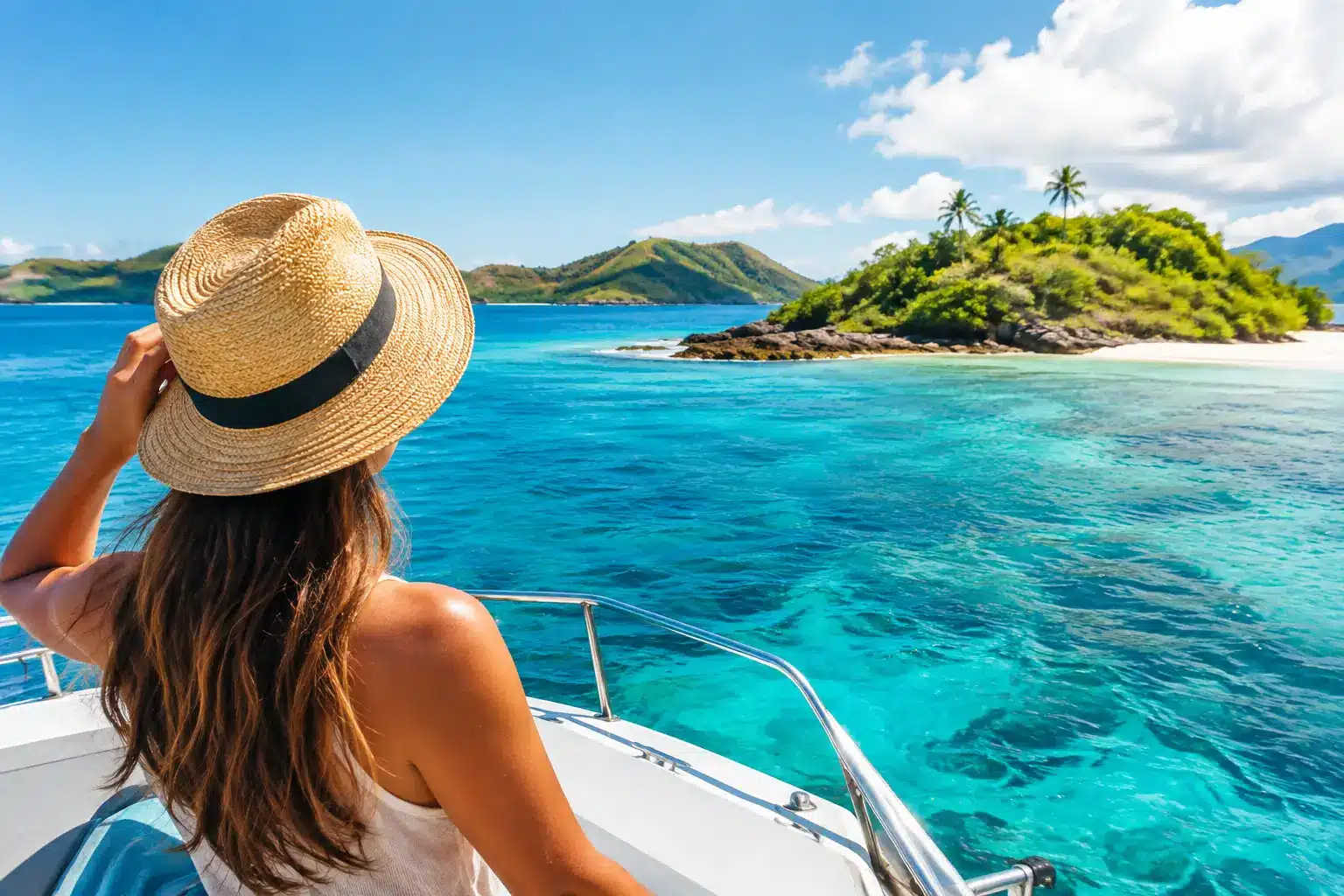
The first boat leaving Denarau Marina can feel like the real beginning of a Fiji holiday: bags stowed, Nadi fading behind you and a string of bright green islands ahead. Knowing how to organise island hopping before that moment means you can spend more time snorkelling, swimming and settling into island life, rather than trying to solve transport plans from a resort reception desk.
Fiji has more than 300 islands, but most visitors do not need to see dozens to have an unforgettable trip. A well-paced route through the Mamanuca or Yasawa Islands can deliver coral reefs, sandbars, village culture and the wonderfully slow rhythm that makes Fiji special. The trick is choosing the right island group, allowing for travel time and building in enough flexibility for the weather.
For most travellers arriving in Nadi, the Mamanuca and Yasawa Islands are the easiest places to island hop. Both are reached from Denarau Marina, with scheduled vessels, day cruises, seaplanes and helicopter transfers available depending on your budget and timeframe.
The Mamanuca Islands are closer to the mainland and are ideal for short stays, families, first-time visitors and travellers who want easy access to popular resorts and day trips. Think clear lagoons, excellent snorkelling, surf breaks and lively resort atmosphere. Many islands can be reached in under two hours, so you will not lose a full day every time you change accommodation.
The Yasawa Islands stretch north-west in a long chain and feel more remote the further you travel. They are a standout choice for couples, solo travellers and anyone wanting a deeper island escape. Expect dramatic volcanic scenery, quieter beaches, caves, reef experiences and smaller resorts. They reward a longer itinerary, as the journey to the northern islands can take several hours by scheduled catamaran.
It is usually better to focus on one island group than try to combine both with too little time. If you have three or four nights, choose the Mamanucas. With six to eight nights, a Yasawa route or a mix of closer Mamanuca islands and southern Yasawas can work beautifully. Travellers with 10 nights or more have room to slow down, include a more remote stay and still finish with a relaxed night near Nadi before their flight.
Start by counting your usable days, not just your total holiday nights. International flights often arrive late, and boat timetables have set departure times. A night in Denarau or Nadi on arrival can make the first morning far more relaxed, particularly after a long flight from Australia.
Next, choose two or three islands at most for a week-long holiday. Moving every day may look efficient on a map, but it can turn an island break into a packing exercise. Transfers commonly take up the middle of the day once check-out, boat boarding, luggage handling and check-in are included. Three nights on one island often feels far more rewarding than a one-night stop at three different resorts.
Map your route in one direction. For example, begin with a closer Mamanuca island, continue north to a Yasawa resort, then work back towards the mainland. This reduces unnecessary backtracking and helps you match your final transfer with your departure plans. A local Fiji specialist can also confirm which properties are served directly by the same vessel, as not every boat calls at every island every day.
Once your route is roughly set, book accommodation and inter-island transport together where possible. This is particularly worthwhile during school holidays, the Australian winter escape season and festive dates, when popular resorts and preferred boat connections can fill early. Check what each stay includes, too. Some island resorts package meals because there are no nearby cafés or shops, while others give you more flexibility.
Scheduled catamarans are the most practical option for many visitors. They offer regular services through the Mamanucas and Yasawas, make several resort stops and are good value for travellers carrying standard luggage. The trade-off is time: the boat can be a scenic part of the holiday, but it is not the fastest way to cover long distances.
Seaplanes and helicopters are a memorable upgrade when time is short or you want extraordinary aerial views of reefs and sandbars. They can make remote resorts much more accessible and are especially appealing for honeymoons, milestone trips or a two- or three-night island stay. However, they cost more, luggage limits apply, and flights can be affected by weather.
Private boat transfers suit families and small groups who value timing and privacy, especially for islands not well matched to public timetables. They are not always the most economical choice, but the per-person cost can make sense for a group. For day trips, choose a tour with clear departure details, inclusions and return timing rather than assuming you can easily arrange a boat on the day.
Whatever transport you choose, keep essential items in a small day bag. Sunscreen, swimmers, medication, a light cover-up, water and valuables should stay with you. Larger bags may be handled separately during transfers, and salt spray is part of the experience on open-water boats.
The best routes balance contrast. One island might be chosen for a family-friendly pool and easy snorkelling straight from the beach; another for a quieter adults-focused stay, scuba diving or a cultural village visit. You do not need to chase every headline attraction if your resort already offers the kind of Fiji day you imagined.
For couples, a balanced plan might include a sociable island near Denarau followed by a more secluded Yasawa stay. Families may prefer two resorts with reliable kids’ activities, calm water and flexible meal times rather than a long journey north. Seniors often enjoy a slower route with fewer boat changes and luggage handling arranged in advance. Solo travellers can look for social resorts, shared excursions and properties that make it easy to meet others without sacrificing comfort.
Leave open space in the schedule. Weather can shift quickly in the tropics, and a planned snorkelling cruise may be moved for sea conditions. A free afternoon also gives you room for the best Fiji experiences that cannot be tightly scheduled: a long swim before breakfast, a beach hammock, a chat with local staff or a sunset that makes you cancel every other plan.
Fiji is warm year-round, but conditions affect the character of an island-hopping holiday. The drier months from May to October are popular for pleasant temperatures and lower humidity. This is also a busy period, so booking early is sensible, especially for island accommodation and school holiday travel.
The warmer, wetter season from November to April can bring lush landscapes, warmer water and attractive value, with afternoon showers often passing quickly. It is also cyclone season, so travel insurance and flexible plans are wise. Marine trips may be altered when winds or swells build, which is a safety decision rather than a poor service experience.
Do not plan a tight international connection immediately after a long island transfer. Stay on the mainland the night before an early departure if your schedule allows. It removes a layer of pressure and gives you a final opportunity to enjoy Nadi, Denarau or the Coral Coast.
Island hopping costs can vary widely. The biggest factors are your accommodation style, how far north you travel, the transfer type and whether meals are included. A simple resort package with scheduled boat travel can offer excellent value, while a private island stay with scenic flights naturally sits at a premium level.
When comparing options, look beyond the headline room rate. Consider return transfers, compulsory meal plans, snorkelling equipment, activities, drinks, resort service charges and luggage allowances. Transparent pricing makes it easier to choose confidently and prevents an affordable-looking itinerary from becoming unexpectedly expensive.
It also pays to reserve a little budget for experiences. A guided reef snorkel, traditional Fijian feast, island village visit, dive trip or sandbar excursion can become the memory that defines the whole holiday. Best Fiji Activities can help bring accommodation, transfers and trusted local tours into one practical plan, so the moving parts are confirmed before you leave Australia.
Soft-sided luggage is often easier on boats and small aircraft than a large rigid case. Bring reef-safe sunscreen, insect repellent, a reusable drink bottle, a dry bag for electronics and a light rain jacket in the wetter months. Reef shoes can be useful in rocky shallows, though some resorts have sandy entries straight from the beach.
Dress is relaxed, but respect local customs when visiting villages. Modest clothing that covers shoulders and knees is appropriate, and your guide or resort will advise if a kava ceremony or particular village etiquette applies. A little care goes a long way and makes cultural experiences more meaningful for everyone.
The finest Fiji island-hopping plans leave room for the unexpected: the boat ride that becomes a dolphin sighting, the beach you have almost to yourself, or the invitation to stay for one more song after dinner. Organise the essentials well, then let Fiji take care of the moments you could never schedule.