Your cart is currently empty!
You may check out all the available trips and book one that suits you.
Continue Browsing Trips

A Fiji solo traveller guide should begin with one reassuring truth: Fiji is made for people who want a holiday that feels relaxed, friendly and full of genuine connection. You may arrive alone, but between the warm Bula welcome, shared island excursions and sociable resorts, you are unlikely to feel on your own for long.
For Australian travellers, Fiji is also an easy tropical escape. Direct flights, a modest time difference and English spoken widely remove much of the friction from planning. The key is choosing the right base, arranging reliable transfers before you land and leaving enough room in your itinerary for the spontaneous moments that make Fiji memorable.
Yes, particularly for travellers who enjoy a balance of organised adventures and slow beach time. Fiji is widely known for its hospitality, and tourism staff are used to welcoming independent visitors. Resorts, day cruises and multi-day island stays create natural chances to meet other guests without the pressure of having to seek out a party scene.
Solo travel in Fiji does come with a trade-off. The islands are not a budget backpacking destination in the same way as parts of South-East Asia, and private rooms, airport transfers and boat journeys can cost more when they are not shared. Choosing a well-located resort, booking inclusive tours and travelling with a clear plan can make the experience excellent value.
As with any overseas holiday, use normal common sense. Keep valuables secure, avoid isolated areas after dark, use trusted transport providers and listen to local advice about beaches, weather and water conditions. If you are heading out for a snorkel, hike or boat trip, an organised experience with an experienced local guide is the easy choice.
Your ideal Fiji base depends on whether you want convenience, island time or a little more adventure.
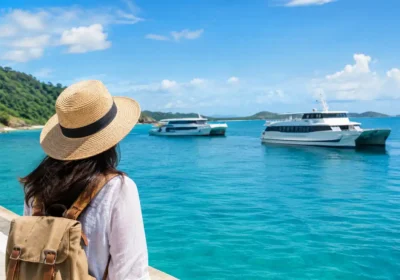
Nadi is practical for a first or final night, especially after a late flight. It puts you near the airport and within reach of markets, restaurants and inland sightseeing. Denarau Island is a polished resort area nearby, with a marina that is the main departure point for many Mamanuca and Yasawa island cruises. It is a smart choice if you want a comfortable room, reliable facilities and straightforward access to day tours.
The Mamanucas are ideal for solo travellers with limited time. These picture-perfect islands are close enough for day cruises yet rewarding enough for an overnight stay. Think clear lagoons, snorkelling, paddleboarding and sunset drinks with fellow guests. Resorts range from lively and social to peaceful and boutique, so check the atmosphere before booking rather than assuming every island offers the same experience.
If your goal is to switch off properly, the Yasawas deliver. The scenery feels more remote, boat journeys are longer and the pace is slower. This is a strong option for solo travellers who want multi-day island hopping, village visits, caves and exceptional reef time. Build in a buffer before your international flight, as inter-island boats and weather can affect timings.
Fiji is more than islands. The Coral Coast suits travellers who want beaches alongside cultural tours, waterfalls and scenic drives. Pacific Harbour is the adventure hub, known for white-water rafting, ziplining and river experiences. Staying on Viti Levu can also be a better fit for anyone who prefers easier access to shops, restaurants and a wider selection of accommodation.
The smoothest solo holidays begin before arrival. Pre-book an airport transfer with a reputable local operator, particularly if you are landing at night or travelling to a resort outside Nadi. Having someone meet you removes the uncertainty of negotiating transport when you are tired, carrying luggage and adjusting to the heat.
Keep your first day deliberately light. Check in, have a swim, learn where meals and reception are located, and ask staff about the next day’s activities. If you are joining an island cruise, confirm your departure point, luggage allowance and check-in time the afternoon before. Most Fiji travel hiccups are logistical rather than dramatic, and a little preparation solves them.
A local specialist such as Best Fiji Activities can be particularly helpful when you want to coordinate transfers, day tours and island experiences under one plan. The advantage is not simply convenience. Local teams can help you choose experiences that suit your arrival time, fitness level and preferred travel pace.
Fiji’s best experiences work brilliantly for one because they are naturally shared. A full-day island cruise gives you a ready-made group, lunch in a spectacular setting and plenty of time to snorkel without worrying about boats or equipment. For many first-time visitors, it is the easiest way to see the Mamanuca Islands.
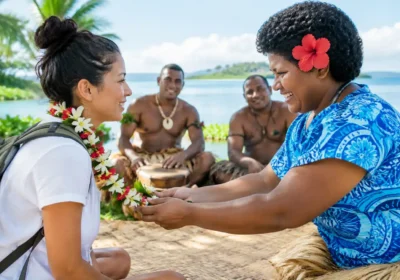
A cultural tour is another standout. Visiting a village with a respectful guide offers context you would not get from a resort alone. You may learn about kava, local crafts, traditional food and community life. Dress modestly, follow your guide’s advice and remember that a village is a living community, not a sightseeing set.
For active travellers, choose a guided waterfall walk, river safari, rafting trip or snorkelling excursion. Group tours provide company, but more importantly, they offer local knowledge of changing conditions. Fiji’s reefs and rivers are beautiful, but conditions can vary with tide, weather and season.
Do leave unscheduled time too. A book by the pool, a beachfront massage or an unhurried sunset is not a gap in the itinerary. It is often the point of travelling solo.
Stay somewhere with communal areas, join a small-group tour early in your trip and say yes to shared meal tables where they are offered. Island resorts often make socialising feel effortless because guests spend time in the same places: the beach, the bar, the dining area and the activity desk.
A multi-day cruise or island-hopping stay can be better than a string of isolated day trips if meeting people is high on your list. You will see the same travellers over several days, which gives conversations time to develop. On the other hand, if quiet is what you need, select an adults-focused or boutique resort and book private or small-group excursions instead.
There is no need to over-schedule every evening. A friendly chat after a snorkelling trip can turn into dinner plans, while a quiet night with room service can be exactly right after a big day on the water.
Fijian dollars are used throughout the country. Cards are accepted at many hotels, restaurants and tour operators, though carrying some cash is useful for smaller purchases, local shops and tips where appropriate. Let your bank know you are travelling and keep a second payment option separate from your main wallet.
Buy a local SIM or check your roaming plan if staying connected matters. Wi-Fi is common in resorts but can be slower or less reliable on remote islands. Download booking confirmations, transfer details and maps before travelling between islands.
Pack reef-safe sunscreen, insect repellent, a reusable water bottle, a dry bag and a light cover-up for sun protection. A modest outfit is useful for village visits, while reef shoes can be worthwhile on rocky shorelines. Travel insurance that covers water activities and medical evacuation is strongly recommended, especially if you plan to visit outer islands.
Fiji is a year-round destination, but the weather shapes the style of trip. The drier months, generally May to October, tend to bring cooler evenings, lower humidity and popular holiday periods. Book early if you are travelling during Australian school holidays, as solo rooms can be limited at sought-after resorts.
November to April is warmer, greener and more humid, with a higher chance of tropical rain and cyclones. It can also offer good value and fewer visitors, but flexibility matters. If travelling in the wetter season, choose accommodation and transport arrangements that can support you comfortably if a boat trip is delayed.
Fiji rewards solo travellers who plan the essentials and stay open to the day. Arrange your arrival transfer, choose a base that matches your energy, and book a few outstanding local experiences rather than racing across every island. Then give yourself permission to linger when the water is clear, the music starts or someone says Bula and genuinely means it.