Your cart is currently empty!
You may check out all the available trips and book one that suits you.
Continue Browsing Trips
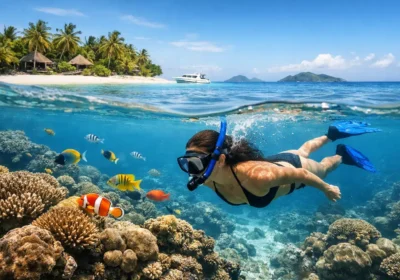
The first glimpse beneath Fiji’s surface can feel almost unreal: clear blue water, soft coral gardens moving with the current, and reef fish filling every available patch of colour. Fiji scuba diving is rightly high on many travellers’ holiday wish lists, but the best experience depends on choosing a region, season and dive style that suit your confidence level and itinerary.
For visitors arriving through Nadi, there are excellent options within easy reach of the mainland, as well as world-class reefs in the Mamanuca and Yasawa Islands, the Coral Coast and Pacific Harbour. Whether you are a newly certified diver, returning after a few years out of the water or an experienced underwater photographer, a little planning turns a good day on the reef into a truly unforgettable Fiji adventure.
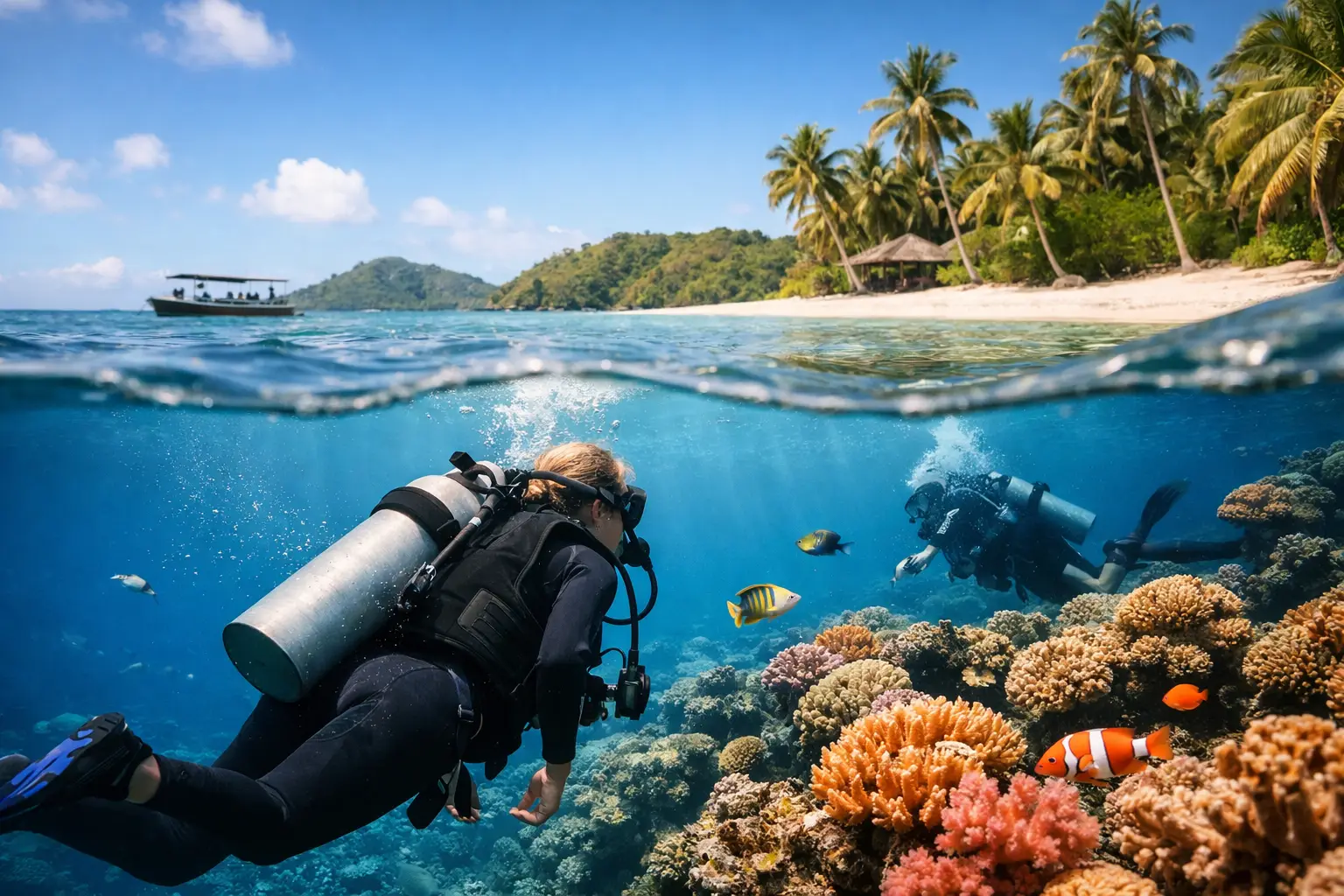
Fiji is often called the soft coral capital of the world, and it earns that reputation when the conditions are right. Soft corals flourish in nutrient-rich currents, opening into vivid pinks, purples, oranges and reds that make even seasoned divers stop and stare. Alongside these dramatic reef walls and bommies, you may see clownfish, reef sharks, turtles, moray eels, schooling trevally, barracuda and clouds of anthias.
The real appeal is variety. One day can involve a gentle coral garden with calm conditions and easy entry, while the next may be a faster drift along a wall alive with larger pelagic fish. This means Fiji works well for mixed groups, provided each person chooses dive sites appropriate to their certification, comfort and recent experience.
Visibility is often excellent, though it is never guaranteed. Weather, wind, tides and currents all influence what a particular day feels like underwater. A trustworthy operator will explain the likely conditions honestly, select sites with safety in mind and avoid making promises that the ocean cannot keep.
The Mamanuca Islands are a convenient choice for travellers based around Nadi, Denarau or the islands themselves. These reefs are known for bright coral, warm water and accessible day trips, making them particularly appealing for holidaymakers who want to combine diving with island time, snorkelling or a scenic cruise.
Many sites are suitable for beginners and certified divers who prefer relaxed conditions. That said, conditions vary between islands and seasons, so experienced divers can still find rewarding walls, pinnacles and current-fed sites. The major advantage is convenience: you can enjoy quality reef diving without committing several days of your holiday to remote travel.
For travellers with more time, the Yasawa Islands offer a more remote island setting. Expect dramatic scenery above the water and colourful reefs below it, with the relaxed pace that makes a multi-day island itinerary so memorable. Diving here suits couples, solo travellers and small groups looking to spend a few nights away from the busier mainland areas.
The trade-off is logistics. Reaching the Yasawas takes longer than a day trip from Nadi, and ferry schedules or weather can shape your plans. It is worth allowing flexibility, especially if diving is a major reason for visiting. The reward is a genuine sense of getting away from it all.
The Coral Coast is a practical base for visitors travelling between Nadi and Suva, or for families and couples staying at one of the region’s beachfront resorts. Local reefs offer an easy introduction to Fiji’s underwater world, with many operators catering for first-time divers, refresher sessions and certified divers alike.
This region is ideal when scuba diving is one important part of a wider Fiji holiday rather than the entire itinerary. You can pair a dive day with village experiences, river activities, waterfall visits or simply a slower resort stay. Ask locally which sites are running on your travel dates, as sea conditions can influence the best choice.
Pacific Harbour is Fiji’s adventure capital and a strong option for confident certified divers. Beqa Lagoon is celebrated for its soft corals, reef formations and exciting marine life, while the region is especially well known for carefully managed shark diving experiences.
Shark dives are not for everyone. They can be thrilling and professionally run, but they may involve deeper water, specific briefing procedures and a more intense environment than a relaxed coral garden dive. Choose an operator with a serious safety record, listen closely to instructions and be realistic about your comfort level. For many experienced divers, this is a standout Fiji experience; for others, a colourful reef dive will be the better fit.
Fiji can be dived year-round, with water temperatures generally sitting around 25-29°C. The drier months, roughly May to October, often bring cooler water, lower humidity and pleasant conditions for travelling around the islands. A 3 mm wetsuit is usually comfortable for many divers, although those who feel the cold may prefer extra warmth during the cooler months.
From November to April, the water is warmer and marine life can be abundant, but this period is also wetter and more humid. Tropical rain does not automatically spoil a dive holiday, as showers can be brief and the underwater world may remain excellent. However, cyclones and stronger weather systems are possible during the wet season, so flexible plans and travel insurance are sensible.
If soft corals are at the top of your list, ask your dive operator about currents and tides rather than relying only on the calendar. These corals often look their best when water movement encourages their polyps to open. A local guide’s knowledge matters far more than a generic promise of a perfect day.
You do not need to be an advanced diver to enjoy Fiji. Introductory scuba experiences are available for people who have never dived before, usually under close supervision in controlled conditions. If you are certified but have not dived for a year or more, a refresher is a smart choice. It helps rebuild buoyancy, equipment handling and confidence before heading to more challenging sites.
Open Water certified divers can access plenty of excellent reefs. Advanced certification becomes useful if you want deeper sites, stronger currents, certain wrecks or specialised shark dives. Do not rush into training solely to tick off a famous location. Good diving is about being comfortable, aware and able to enjoy the reef, not just reaching a particular depth.
Children and teenagers may be able to participate depending on their age, certification and the operator’s policies. Families should be upfront about each person’s experience so the day can be planned properly, rather than trying to fit everyone into the same dive profile.
Your operator can make the difference between an easy, well-supported day and a frustrating one. Look for clear information on inclusions, equipment, transfers, certification requirements and minimum age rules before booking. Transparent pricing is especially helpful when organising several holiday activities at once.
A professional briefing should cover the site, boat procedures, entry and exit methods, currents, marine-life etiquette, emergency equipment and what to do if you become separated from your buddy. Guides should match groups sensibly by experience where possible and be happy to answer questions without making inexperienced divers feel awkward.
It is also worth checking whether return transfers are included from your accommodation. On a Fiji holiday, transport can take more time than visitors expect, especially between resorts, marinas and regional bases. Best Fiji Activities can help travellers coordinate trusted tours and practical transfers, making it easier to fit a dive day into a broader island, sightseeing or cultural itinerary.
Bring your certification card or a digital copy, logbook if you have one, swimwear, reef-safe sunscreen and a dry change of clothes. Avoid alcohol the night before, drink plenty of water and allow enough time before flying after diving. Your operator will advise the appropriate surface interval, but as a general rule, do not plan a dive immediately before a flight.
Listen to the environmental guidance too. Do not touch corals, stand on the reef, chase turtles or collect shells. Even gentle contact can damage fragile coral or stress marine animals. Good buoyancy is not only a skill – it is one of the best ways to protect the places you have travelled so far to see.
If you are prone to seasickness, speak to a pharmacist before your trip and take any medication well before the boat departs. A brilliant dive site is much easier to enjoy when you feel comfortable getting there.
Fiji’s reefs reward travellers who leave room for local advice, changing conditions and a little sense of adventure. Choose the right region, book with experienced local professionals and let the underwater colours, currents and marine life shape one of the most memorable days of your Fiji holiday.