Your cart is currently empty!
You may check out all the available trips and book one that suits you.
Continue Browsing Trips
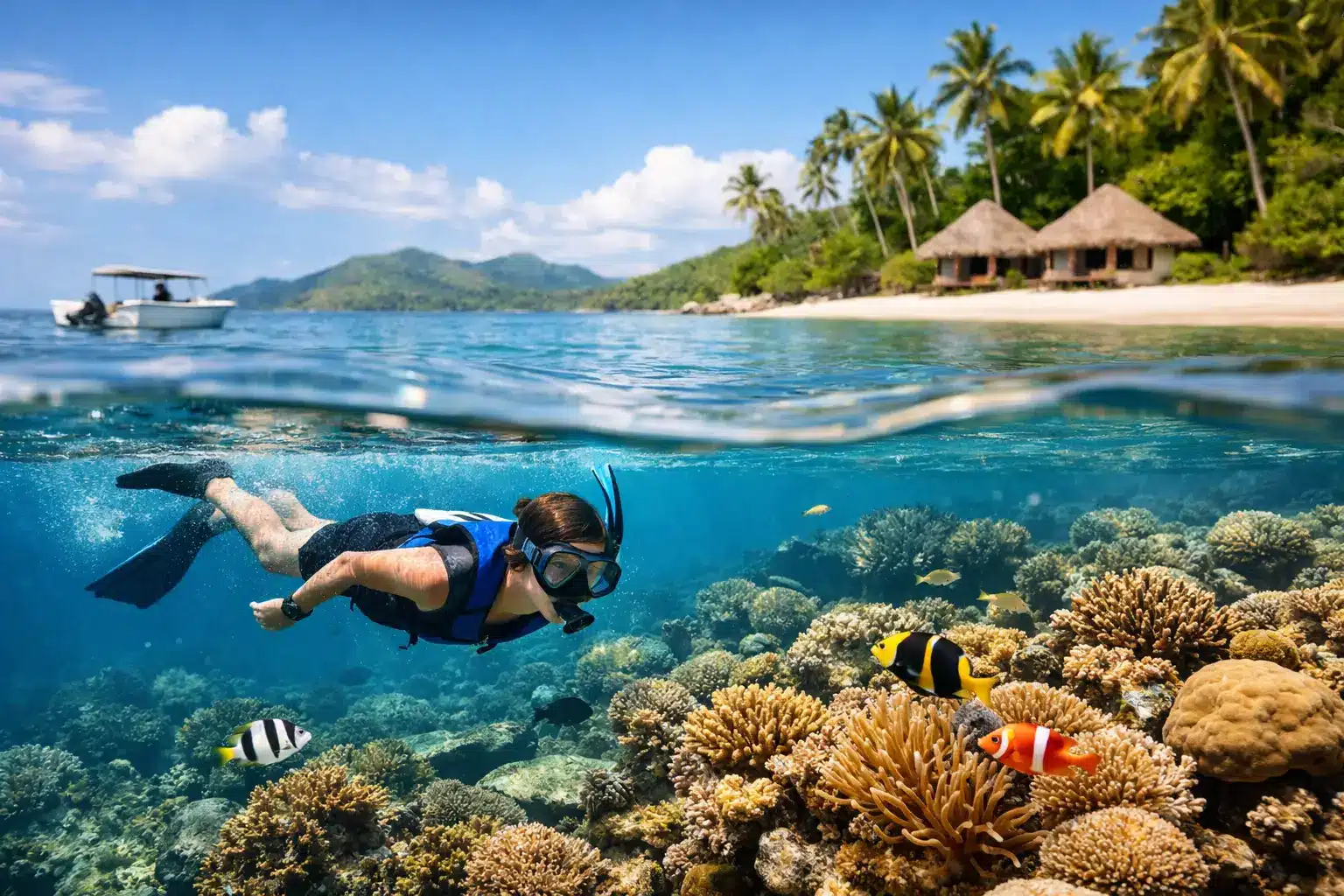
The first glimpse of a Fiji reef can make even confident swimmers forget the basics: clear water, bright coral and tropical fish create an irresistible pull to jump straight in. This Fiji reef safety guide helps you enjoy that moment safely, whether you are joining an island day trip from Nadi, staying on the Coral Coast, or exploring the Mamanuca and Yasawa Islands.
Fiji offers some of the South Pacific’s most memorable snorkelling, but the sea always sets the terms. Conditions can change quickly with tide, wind and weather, and the healthiest reefs are often near channels or outer islands where currents deserve real respect. A little preparation protects your group, the reef and the holiday you came to enjoy.
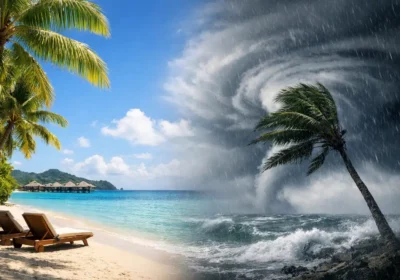
Do not judge a snorkelling site by how calm it looks from the beach or boat. A gentle surface can still hide a moving current, while a pretty lagoon may have shallow coral heads that become difficult to avoid at low tide. Listen closely to the crew or local guide during the safety briefing. They know where boats pass, where the current runs, which entry point is safest and when conditions are not right for less experienced swimmers.
Ask where you should enter and exit, how far you may swim, and what signal means it is time to return. On a guided trip, stay within the designated snorkelling area even if something interesting appears further away. Your guide is not limiting the experience – they are helping you see Fiji’s underwater beauty without turning a relaxed outing into a stressful swim.
If you are not a strong swimmer, choose a sheltered lagoon, wear a properly fitted flotation vest and tell the team before departure. There is no prize for swimming beyond your comfort zone. Many excellent Fiji snorkelling sites can be enjoyed while floating quietly in shallow, protected water.
Current is the main reason capable swimmers can get into trouble. Avoid snorkelling alone, particularly near reef passages, drop-offs, channels or open-water sites. If you feel yourself drifting away from the boat, shore or group, stay calm, float, signal for assistance and swim across the current only if you have the energy and a clear safe direction. Fighting directly against a current can exhaust you quickly.
Tides matter too. At low tide, coral may sit very close to the surface, increasing the chance of accidental contact. At high tide, a site may be easier to float over but can have stronger water movement. Your operator will select the best available site for the day, but weather may still require a change of plan. Flexibility is part of travelling safely in the islands.
A leaking mask or loose fin can spoil the best reef visit. Test your mask before entering: it should sit comfortably against your face without being painfully tight. Clear it with a small amount of water and practise breathing through the snorkel while holding onto the boat ladder or standing where you can safely touch the bottom.
Fins make swimming more efficient, but they can also make it easier to kick coral or lose balance in shallow water. Use slow, controlled kicks and keep your body horizontal. If the water is too shallow to clear the reef, do not stand on coral. Signal to the guide, float back to deeper water or choose another entry point.
A flotation vest is useful for beginners, children and anyone who wants to conserve energy. It also helps you remain above the reef rather than accidentally brushing it with fins or hands. Confident swimmers may prefer not to wear one, but conditions and site choice should guide that decision. On a longer boat trip or an exposed location, buoyancy support is often the sensible option.
Coral is alive, even when it looks like rock. A single touch, kick or stand can damage fragile structures that have taken years to grow. Keep a generous gap between yourself and the reef, including when trying to photograph fish. Never feed marine life, chase turtles, collect shells or take coral as a souvenir.
The best encounters happen when you slow down. Float quietly, let fish return to their natural behaviour and look into crevices without putting your hands near them. Moray eels, scorpionfish and sea urchins are not looking for a confrontation, but they should be given space. Reef cuts can be painful and slow to heal in a tropical environment, so prevention is far easier than treatment.
Use sun protection wisely. A rash shirt, wide-brimmed hat for the boat journey and shade breaks reduce your reliance on sunscreen. If using sunscreen, choose a reef-conscious option and apply it well before swimming. Labels can be confusing, so clothing remains the most dependable reef-friendly choice.
This is the rule worth remembering above all others: if you cannot avoid standing on the reef, the water is too shallow for you to snorkel there. Move back to a sandy area, wait for a suitable tide, or ask the guide for help. Wearing reef shoes can protect your feet on sand, rocks and boat ramps, but they are not permission to walk across coral.
Fiji’s water can feel wonderfully cool while the tropical sun works harder than expected. Sunburn, dehydration and fatigue often build gradually, especially after a flight, a resort breakfast and a full day outdoors. Drink water before you feel thirsty, eat something light before an active excursion and take breaks in the shade between swims.
A long-sleeve rash shirt is one of the simplest items you can pack. It protects shoulders and back while reducing the need to reapply sunscreen in awkward places. Bring a dry shirt for the return trip too. Wind on a moving boat can make you feel cold after swimming, even on a hot day.
Parents should be especially cautious with children, who can become tired or chilled without saying so. Keep them close, use a flotation device they are comfortable wearing, and make the first swim short. A child who enjoys ten calm minutes in the water is having a better day than one pushed into an overwhelming hour-long snorkel.
Families, seniors and first-time snorkellers do best with an organised tour that includes clear supervision, suitable equipment and a site selected for the day’s conditions. Before booking, check whether the experience requires confident swimming, whether flotation vests are supplied, how long the boat transfer takes and whether the itinerary includes a sheltered snorkelling option.
It is also worth being honest about mobility and confidence levels. Stepping from a boat ladder, walking across a wet deck or managing fins in the water may be difficult for some travellers. A reliable operator can advise on the most suitable trip rather than selling an experience that does not match your group. Best Fiji Activities can help visitors compare island excursions and choose a day that balances the standout scenery with the right level of comfort.
If anyone in your party has a medical condition, recent injury, pregnancy concerns or a history of panic in open water, seek appropriate medical advice before travelling and let the crew know privately. Snorkelling is usually gentle, but heat, swell and exertion can change the equation.
Small problems are easier to manage when you act early. If your mask keeps fogging, you swallow water or feel anxious, hold onto a float, boat ladder or designated support point and alert the guide. There is no need to push through discomfort. Take a few slow breaths, rest, and decide whether to continue closer to the group or return to the boat.
For a minor coral scrape, rinse the area with clean fresh water where possible, remove visible debris only if it comes away easily and seek first-aid advice from the crew. Cover the wound and keep it clean. Any deep cut, persistent bleeding, severe pain, swelling, fever or signs of infection needs medical attention. Do not ignore a wound simply because the rest of the holiday feels too good to interrupt.
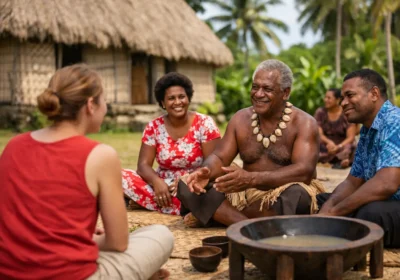
If weather, wind or visibility deteriorates, accept the crew’s call to relocate or cancel a water activity. Fiji’s islands offer plenty of wonderful alternatives, from village visits and scenic cruising to cultural experiences and beach time. The best travel days are memorable because they are well managed, not because every original plan happened exactly as printed.
A Fiji reef is at its most extraordinary when you can float calmly above it, see the colour clearly and know everyone in your group is comfortable. Choose experienced local guidance, respect the water and leave the coral exactly as you found it – ready for the next swimmer to be amazed.