Your cart is currently empty!
You may check out all the available trips and book one that suits you.
Continue Browsing Trips
A barefoot walk from your bure to a sunset beach bar should feel like a holiday, not a risk assessment. So, is Fiji safe? For most Australian visitors, Fiji is a welcoming, relaxed and safe destination, particularly when you stay in established resorts, use reputable transfers and make the same sensible choices you would anywhere overseas.
Fijians are widely known for their warmth and hospitality, and the country is built around tourism in regions such as Nadi, the Coral Coast, Pacific Harbour, and the Mamanuca and Yasawa Islands. Still, Fiji is not risk-free. Petty theft, changing weather, rough ocean conditions and unfamiliar roads are the issues most likely to affect a holiday. A little local knowledge goes a long way towards keeping your trip easy, comfortable and unforgettable.
Yes, Fiji is generally safe for tourists, including couples, families, seniors and solo travellers. Resort islands and popular visitor areas have experienced staff, organised activities and well-established transport networks. Many travellers find Fiji feels calmer and more personal than larger holiday destinations.
The key distinction is between a planned holiday and an unplanned one. Booking trusted day tours, airport transfers and island connections removes many of the common frustrations, such as negotiating late-night transport, choosing an unlicensed operator or arriving without clear directions. If you are visiting outer islands, this matters even more because services can be limited and weather can affect boat schedules.
Use normal travel awareness rather than fear. Keep valuables secure, avoid wandering alone in quiet areas late at night, and listen when local guides advise against swimming, hiking or travelling due to conditions. Those simple habits leave you free to enjoy Fiji’s best experiences with confidence.
Serious crime against tourists is uncommon in the main holiday areas, but opportunistic theft can occur. Do not leave phones, wallets, cameras or passports unattended on the beach, in an open vehicle, or beside a resort pool. Lock your room, use the in-room safe where available, and carry only what you need for the day.
In Nadi, Suva and other towns, take extra care around busy markets, transport hubs and nightlife precincts. Keep bags zipped and close to your body, particularly in crowds. At night, stick to well-lit areas and arrange a reputable taxi or pre-booked transfer rather than walking long distances along unfamiliar roads.
Solo travellers can enjoy Fiji very comfortably, especially at quality resorts and on organised small-group excursions. The social nature of island stays makes it easy to meet people, while local guides can help you experience villages, waterfalls and snorkelling spots without the uncertainty of going it alone. As anywhere, be mindful with alcohol, never leave a drink unattended, and trust your instincts if a situation feels wrong.
Fiji is friendly and informal, but it is also proudly traditional. Dress modestly when visiting villages, towns and religious sites, covering shoulders and knees where requested. Always ask before taking photos of people, homes or ceremonies. A guided cultural visit is one of the most meaningful ways to learn these customs and ensures your visit benefits the local community.
Fiji’s lagoons can look perfectly calm, but conditions change quickly. Follow beach signage, ask resort staff about the day’s conditions, and do not swim alone after dark. On exposed beaches, currents and surf can be stronger than they appear. If you are travelling with children, keep them within arm’s reach around pools, jetties and the ocean.
Coral, sea urchins and sharp rocks are common around reef edges. Reef shoes are useful for shoreline exploring, although you should avoid standing on coral entirely. It is living, fragile and often just below the surface. For snorkelling, wear a rash shirt, use reef-safe sun protection where possible, and choose an operator that provides a proper briefing and flotation equipment for less confident swimmers.
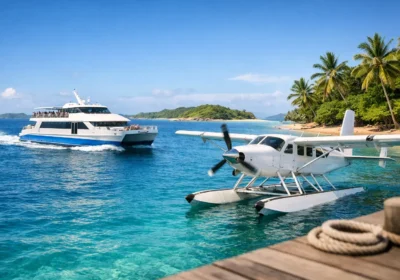
Boat trips are a highlight of any Fiji holiday, from Mamanuca Island cruises to Yasawa snorkelling adventures. Choose licensed, well-reviewed operators that provide life jackets and explain the day’s plan. If the sea looks rough, accept that an itinerary may change. A responsible operator will prioritise safe conditions over forcing a stop that is no longer suitable.
Adventure activities deserve the same approach. Ziplining, white-water rafting, jet skiing, diving and waterfall walks are brilliant when run by experienced local teams. Let guides know about medical conditions, swimming ability or mobility concerns before departure. The best tours can usually tailor advice, pace and equipment to suit the group.
Fiji has a tropical climate, with the wetter and more humid season generally running from November to April. This is also cyclone season. A cyclone will not affect every summer holiday, but heavy rain, wind and changes to inter-island transport are possible.
If you are travelling during these months, build a little flexibility into your plans. Keep travel insurance details handy, save your accommodation and transfer contacts on your mobile, and follow official advice plus instructions from resort staff. Hotels and established island resorts have procedures for severe weather, and local teams are highly experienced in responding calmly when conditions change.
The dry season, roughly May to October, is often popular with Australians looking for sunnier days and lower humidity. Even then, tropical showers can arrive unexpectedly. Pack light rain protection, drink plenty of water and take the midday sun seriously. Heat exhaustion can spoil a day faster than most travellers expect, especially after a long flight or a few celebratory drinks.
Most visitors stay healthy in Fiji with straightforward precautions. Drink bottled, filtered or treated water where your accommodation advises it, particularly outside larger resorts. Eat at clean, busy venues, and choose food that is freshly cooked and served hot. Resort dining and reputable tour operators are accustomed to international guests and dietary requirements, but it is still wise to confirm allergies before eating.
Mosquitoes can be present, especially after rain and around dawn and dusk. Pack insect repellent, cover up in the evening and use screens or air conditioning where available. Speak with your GP or travel health clinic before departure about current vaccine and health advice for your personal circumstances.
Bring enough prescription medication for your stay, plus a small kit with sunscreen, rehydration sachets, antiseptic, bandages and motion-sickness tablets if you are taking island boats. Major tourist areas have medical services, but remote islands may have limited facilities. Comprehensive travel insurance is a practical essential, not an optional extra.
Road conditions vary significantly. Main roads around Nadi, Denarau and the Coral Coast are familiar to many visitors, while rural roads can be narrow, poorly lit, uneven or affected by rain. If you hire a car, avoid driving at night where possible, allow extra time and watch carefully for pedestrians, animals and roadside villages.
For many holidays, pre-arranged transport is simpler than self-driving. An airport or hotel transfer means you are met by a driver who knows the route, your luggage is handled properly, and you arrive without dealing with currency, queues or unfamiliar road rules after a flight. This is particularly valuable for families, late arrivals and travellers connecting to resorts or island ferries.
Taxis are common in tourist areas, but agree on the fare or confirm the meter before leaving. For a full day of sightseeing, a private driver or organised tour is often better value than piecing together separate rides, especially when you want local context as well as transport.
A few small choices make a noticeable difference:
Fiji rewards travellers who slow down, listen to local advice and leave room for the occasional change of plan. With dependable transfers, carefully selected tours and a little common sense, you can focus on the part that matters most: warm welcomes, clear lagoons and the kind of holiday stories that stay with you long after you are home.