Your cart is currently empty!
You may check out all the available trips and book one that suits you.
Continue Browsing Trips

A catamaran gliding across clear water, a village welcome, a waterfall swim or a Coral Coast day out can be the highlight of a Fiji holiday. But are Fiji tours safe? For most visitors, yes – particularly when you book with an established local operator, follow guide instructions and make choices that suit your confidence level, health and the day’s conditions.
Fiji is a welcoming, tourism-focused destination, and organised tours are one of the easiest ways to experience its islands, culture and outdoor adventures with local knowledge close at hand. That does not mean every experience carries the same level of risk. A calm island cruise and a white-water rafting trip require different preparation, while weather can change a boat schedule quickly in the tropics.
The good news is that a little forward planning goes a long way. Here is what savvy travellers should know before booking Fiji day tours, island excursions and adventure activities.
Well-run Fiji tours are designed around visitor safety as well as great holiday memories. Professional operators use qualified guides and skippers, maintain vehicles and vessels, provide safety briefings and adjust plans when weather or sea conditions are unsuitable. On water-based tours, life jackets should be available and safety equipment should be carried on board. For activities such as snorkelling, diving, ziplining or rafting, guides should explain how equipment works and what to do if you need help.
The biggest advantage of booking an organised experience is local judgement. Your guide understands local tides, reef passages, road conditions, village protocols and the changing tropical weather far better than a first-time visitor can. They can also help you avoid the common holiday mistakes, such as choosing a long boat crossing on a day when you are prone to seasickness or heading out without enough water and sun protection.
That said, safety standards can vary between providers. The cheapest option is not always the best value if it means unclear inclusions, poorly explained meeting arrangements or a rushed itinerary. Choose an operator that communicates clearly before your tour, provides realistic timings and has a strong reputation for reliable service.
Before confirming a booking, look for practical signs that an operator takes its guests seriously. You do not need to interrogate every provider, but you should be able to get straightforward answers about the experience, transport and conditions.
A trusted operator will usually offer:
Also read the activity description rather than relying only on the photos. A tour labelled as ‘easy’ may still involve stepping from a boat into shallow water, walking on uneven ground or spending several hours in the sun. If you are travelling with young children, seniors, are pregnant, have limited mobility or have a medical condition, tell the operator before you book. The best Fiji tours can often suggest a more suitable option rather than simply saying yes to every request.
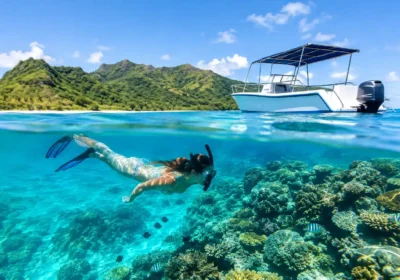
Fiji’s reefs, lagoons and beaches are spectacular, but the ocean deserves respect. Even confident swimmers should listen carefully to the briefing, stay within the area identified by the crew and avoid swimming alone. Currents can be stronger than they appear, particularly around reef channels and during changing tides.
Wear a life jacket when it is requested, even if you are an experienced swimmer. It is normal practice on many boat transfers and activity excursions, and it lets you relax rather than waste energy treading water. If you are snorkelling, keep a comfortable distance from coral and marine life. Avoid standing on coral, both for your safety and to protect the reef.
Seasickness is another consideration that can affect an otherwise brilliant day. The open-water trip to some islands can be bumpy, especially in windy weather. If you know you are prone to motion sickness, choose a shorter crossing, sit where the crew recommends, eat lightly beforehand and consider medication after checking with a pharmacist or doctor.
For families, select a tour with protected swimming areas, clear supervision arrangements and a realistic pace. A full-day cruise can be wonderful with children, but an over-packed itinerary may not suit toddlers or travellers who need regular shade and rest breaks.
Fiji has a warm tropical climate, with a wetter, more humid period generally running from November to April. This does not mean it rains all day, every day. It does mean showers, strong winds and occasional storms can affect boat operations, road travel and outdoor activities.
During cyclone season, operators closely monitor official advice and make decisions based on conditions. A cancelled or altered trip can be disappointing, but it is a sign that safety is being put before a timetable. Build a little flexibility into your holiday, particularly if a particular island day trip is high on your wish list. Booking it earlier in your stay may give you room to move it if the weather turns.
Sun exposure is just as relevant as rain. Fiji’s sunshine can be intense, even when there is cloud cover. Bring reef-friendly sunscreen, a hat, sunglasses, a reusable water bottle and a light cover-up. Reapply sunscreen after swimming, and do not wait until you feel thirsty to drink water.
Most visitors enjoy Fiji without serious problems, but use the same common sense you would in any holiday destination. Keep passports, excess cash and valuables secured at your accommodation. Carry only what you need for the day, and do not leave mobiles, cameras or bags unattended on a beach or in an unlocked vehicle.
At night, arrange reliable transport rather than walking long distances in unfamiliar areas. This is particularly useful around busy visitor hubs, after dinner or when travelling between a resort and an off-site activity. Pre-arranged airport and hotel transfers remove guesswork after a long flight and give families, couples and solo travellers a more comfortable start to their stay.
Road conditions vary across Fiji. Main routes around Viti Levu are commonly used by visitors, but some rural roads can be narrow, uneven or affected by heavy rain. If you are not familiar with local driving conditions, a guided sightseeing tour or private driver can be a far more relaxing choice than self-driving. You get the views, village stops and local stories without watching every pothole or navigating in the dark.
Pack any regular medication in your hand luggage and bring enough for your trip, plus a small buffer. Travel insurance that covers medical care, cancellations and suitable adventure activities is a sensible part of planning, especially if you intend to dive, raft, ride ATVs or take multi-day excursions.
Mosquitoes can be present, particularly after rain, so use repellent and wear light, loose clothing in the early morning and evening. Drink plenty of water, take breaks in the shade and let your guide know early if you feel unwell, overheated or uncomfortable with an activity. Guides would much rather adjust your day than have you push through.
Cultural tours and village visits are among Fiji’s most meaningful experiences. Follow your guide’s advice on dress, footwear, photography and customary etiquette. Modest clothing is often appropriate in villages, and asking before taking photos is always respectful. These small gestures help create genuine, positive connections with the communities welcoming you.
There is no single answer for every traveller. A fit couple looking for a full-day snorkelling cruise may be perfectly comfortable with a longer sea crossing, while a family with small children may prefer a half-day island experience with easy swimming and included transfers. Solo travellers may value a sociable group trip, while others will feel most at ease with a private guide and flexible schedule.
At Best Fiji Activities, local experience helps match travellers with tours that fit their interests, location and comfort level – from relaxed cultural sightseeing to unforgettable island adventures. Share what you want from the day, be honest about any concerns and choose an operator that responds with useful detail rather than vague promises.
Fiji is at its best when you can focus on the warm welcomes, bright reefs and extraordinary landscapes around you. Book thoughtfully, listen to local experts and give yourself permission to choose the adventure that feels exciting without feeling like too much.