Your cart is currently empty!
You may check out all the available trips and book one that suits you.
Continue Browsing Trips
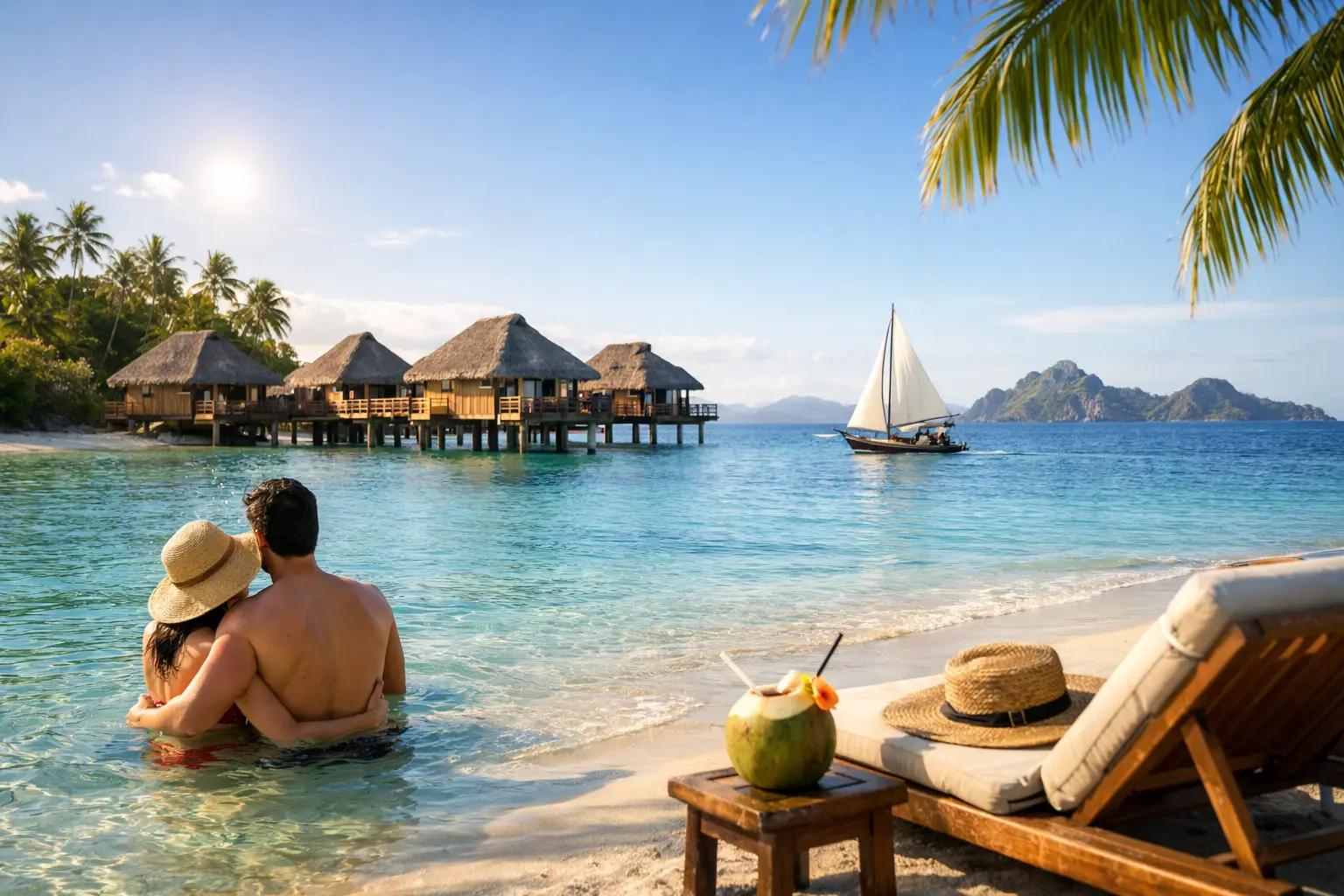
Landing at Nadi International Airport with the warm air, tropical greenery and the sound of a welcoming “Bula” is the moment a Fiji holiday starts to feel real. But Fiji is far more than a beautiful beach destination. With more than 300 islands, distinct holiday regions and experiences ranging from reef snorkelling to village visits, Fiji tourism rewards travellers who plan around the kind of holiday they genuinely want.
For some, that means a few carefree days in the Mamanuca Islands. For others, it is a family base on the Coral Coast, a high-energy adventure around Pacific Harbour, or a slower island escape in the Yasawas. The right mix of location, transport and tours can turn a good break into an unforgettable one.
Fiji has the postcard ingredients people expect: clear lagoons, palm-lined beaches, brilliant coral reefs and year-round warmth. What makes it memorable is the welcome behind the scenery. Fijian culture places real value on connection, hospitality and looking after visitors. A simple greeting, a chat with a local guide or an evening of music at your resort often becomes part of the story travellers take home.
It is also a destination that works for different travel styles. Couples can find private island time and sunset cruises; families have calm-water snorkelling, cultural activities and resorts designed for children; and adventurous travellers can choose jet boating, ziplining, white-water rafting, diving or off-road excursions. Seniors and first-time visitors often appreciate that many of Fiji’s best experiences are accessible through well-organised day tours with hotel pick-up and reliable local guidance.
The trade-off is that Fiji is spread out. A day trip that looks close on a map may involve a transfer, a boat journey and set departure times. Choosing experiences based on where you are staying, rather than trying to see every island group in one holiday, makes the pace much more enjoyable.
Nadi is the main arrival point for most international visitors and a practical base for the first or final night of a trip. It is close to the airport, offers a wide choice of accommodation and provides easy access to inland sightseeing, markets, gardens and cultural attractions.
From nearby Port Denarau, the Mamanuca Islands are within reach by boat. These islands are ideal for travellers wanting classic Fiji scenery without committing to a long transfer. Expect soft sand, reef swimming, sailing, snorkelling and popular island day trips. Conditions can be lively around school holidays, but the convenience is hard to beat for short stays, families and cruise visitors.
Further north-west, the Yasawas offer a more remote island feel. Their dramatic volcanic ridges, quiet beaches and bright-blue water suit travellers who want to slow down, stay overnight and spend more time in the sea than in the car. Multi-day island hopping is often the best way to experience this region because travel time is part of the journey.
A Yasawa stay can be wonderfully relaxed, though it is not the most practical choice for travellers with only two or three nights in Fiji. Ferry schedules, accommodation availability and weather should all be considered before booking.
The Coral Coast runs along the southern shoreline of Viti Levu, Fiji’s largest island. It is a strong choice for families, couples and groups who prefer a resort base with a broad range of nearby activities. You can combine beach time with waterfalls, river excursions, Sigatoka Sand Dunes, local villages and cultural experiences.
The region is also useful for travellers arriving in Nadi and departing from Suva, or vice versa. A private transfer allows you to make the road journey part of the holiday, with time for scenic stops rather than treating it as lost travel time.
Pacific Harbour is Fiji’s adventure capital. It is known for river rafting, ziplining, jet boat rides, shark diving and cultural performances, making it a natural fit for active travellers. Suva, Fiji’s capital, is greener, busier and more urban than the country’s main beach areas. It offers museums, markets and a look at everyday Fiji beyond the resort zone.
A great itinerary usually balances water, culture and downtime. It is tempting to book an activity every day, especially when the options are so appealing, but Fiji’s unhurried rhythm is part of its charm. Leave space for a resort pool, a beach walk or an afternoon with no plan beyond a coconut in hand.
Island day trips are a favourite for good reason. They make it easy to visit reefs and beaches that are difficult to reach independently, often with lunch, snorkelling gear and return boat transfers included. For first-time snorkellers, choose a trip with calm lagoons and guided support. Confident swimmers and divers may prefer outer-reef locations where visibility and marine life can be exceptional, although sea conditions can be less predictable.
Cultural tours add another layer to a Fiji visit. A respectful village visit, traditional kava ceremony, craft demonstration or local food experience helps travellers understand that Fiji is not simply a resort destination. Dress modestly when entering villages, follow your guide’s advice and ask before taking photographs. These small courtesies matter.
For visitors who want more action, inland tours reveal a completely different side of the islands. Waterfalls, rainforest, rivers and highland scenery offer welcome variety after a few days on the coast. Adventure activities do have age, health and weather requirements, so check the details honestly before booking. The best tour is not necessarily the most extreme one, but the one that fits your group’s confidence and energy levels.
Fiji is warm throughout the year, but seasons can influence the kind of holiday you have. The drier months, generally May to October, tend to bring lower humidity, pleasant temperatures and popular conditions for outdoor touring. This is a busy period, particularly around Australian school holidays, so accommodation, transfers and sought-after day trips are best arranged early.
The warmer, wetter season from November to April can bring short, heavy tropical rain and higher humidity. It also brings lush landscapes, warm ocean temperatures and, at times, better value. Rain does not automatically mean a washed-out holiday, but flexibility is sensible. Boat trips and outdoor adventures may be adjusted if conditions are unsuitable.
For a quieter experience, consider travelling just outside peak holiday dates. You may find better availability while still enjoying excellent weather and warm water.
Transport is one of the most overlooked parts of Fiji tourism. Airport transfers, inter-island boats and long road journeys shape the first and last day of a holiday more than many visitors expect. Pre-arranging transfers removes the uncertainty of arriving after a long flight, especially for families with children, late arrivals or groups carrying plenty of luggage.
When comparing tours, look beyond the headline price. Check whether hotel transfers, equipment, meals, entry fees and marine park charges are included. A cheaper option may be good value, but only if the inclusions suit your needs and there are no surprises on the day. Transparent pricing and clear departure information are especially valuable when coordinating several activities.
It also pays to book through local experts who understand travel times between regions and can advise whether an itinerary is realistic. Best Fiji Activities helps visitors coordinate trusted tours, transfers and practical holiday planning support, so the logistics match the experiences you are most excited about.
Start with your accommodation region, then select one or two priority experiences for each full day. If you are staying in Nadi or Denarau, an island day trip and an inland cultural or sightseeing tour make an excellent combination. On the Coral Coast, pair a relaxed resort day with a waterfall, river or village experience. In Pacific Harbour, allow recovery time after a big adventure rather than scheduling another early departure.
Travellers splitting their stay between the mainland and an island should avoid changing accommodation too often. Two well-chosen bases usually feel more relaxing than trying to fit four islands into a week. If you are travelling with young children, prioritise shorter transfers and calm-water activities. If you are celebrating a honeymoon or special occasion, spend more on an overnight island stay or private experience instead of filling every day with group tours.
The best Fiji holiday is rarely the busiest one. Choose a few standout experiences, arrange the practical details early, and leave room for the spontaneous moments that Fiji does so well – a chorus of “Bula”, a reef fish flashing beneath the water, or a sunset that convinces you to stay just a little longer.