Your cart is currently empty!
You may check out all the available trips and book one that suits you.
Continue Browsing Trips
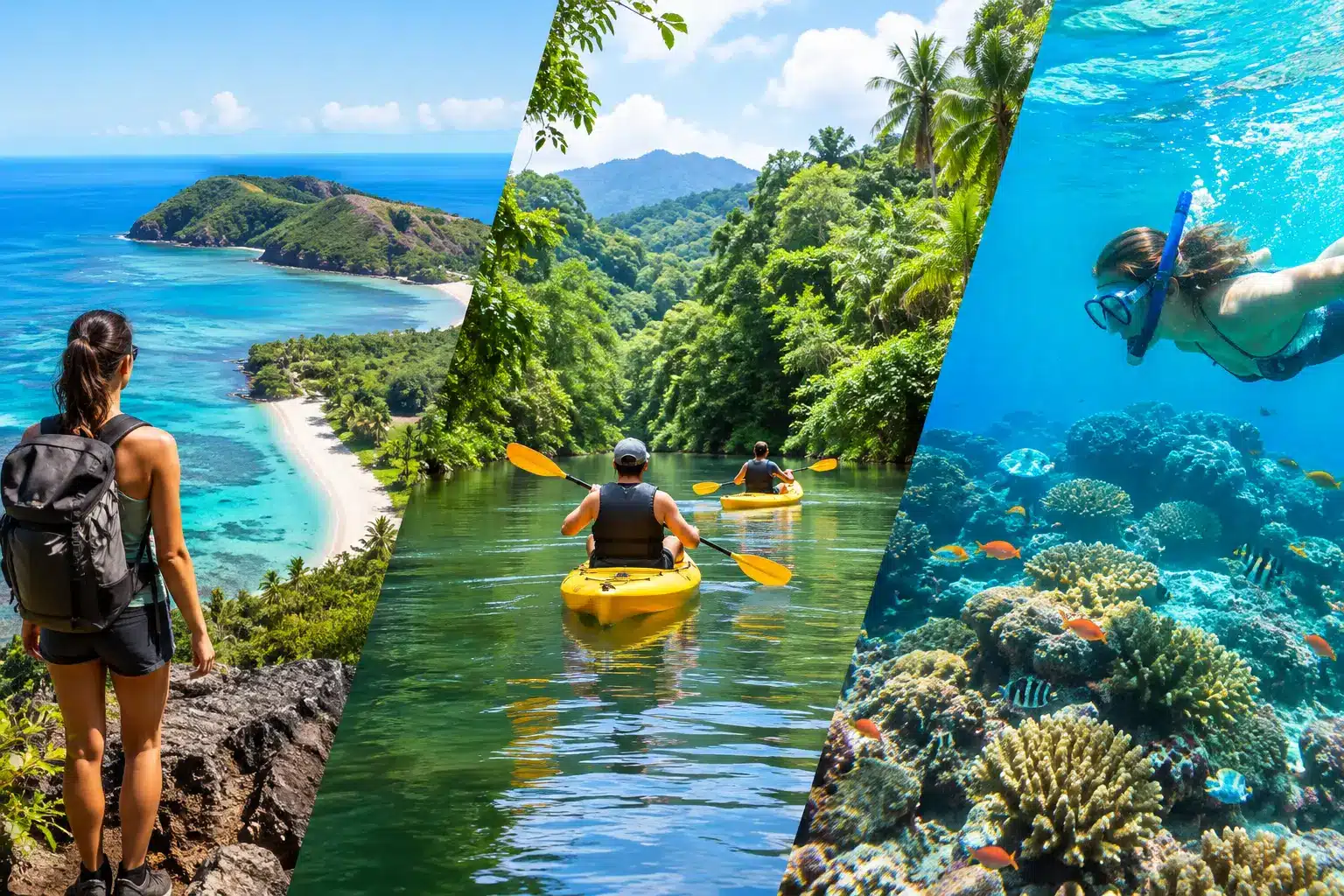
Fiji is not a destination that asks you to choose between a beautiful beach and an active holiday. You can snorkel over bright coral before lunch, ride a jet boat through a rainforest valley in the afternoon, then share a lovo-style feast and music with local hosts that evening. This Fiji adventure guide helps you shape that kind of trip – exciting, well organised and still wonderfully relaxed.
The best approach is to choose adventures around where you are staying, rather than spending precious holiday time criss-crossing the islands. Nadi and Denarau make an easy base for island cruises and inland day trips, the Coral Coast suits families and culture lovers, while Pacific Harbour is Fiji’s action capital. Add reliable transfers and a little sensible planning, and the hard part is simply deciding what to do first.
Fiji adventure comes in several forms, and each delivers a very different day. The right mix depends on your confidence in the water, your travel style, the ages in your group and how much time you have on the ground.
For many visitors, a full-day cruise through the Mamanuca Islands is the holiday highlight. These islands sit within easy reach of Denarau, with clear lagoons, white sand and reef sites that make snorkelling accessible even for first-timers. A well-run island day trip usually removes the logistical fuss: boat transport, snorkelling equipment, lunch and time ashore are arranged, so you can focus on the water and the views.
Conditions matter. Morning departures often bring calmer seas, while wind can pick up later in the day. If you are prone to motion sickness, choose a larger vessel where possible, take precautions before boarding and avoid booking a packed schedule immediately afterwards. Travellers who want more time away from the mainland may prefer an overnight island stay, particularly in the Yasawas, where the scenery feels more remote and the pace slows right down.
Snorkel with care. Reef-safe sunscreen, a rash shirt and a relaxed, no-touch approach help protect both your skin and Fiji’s marine life. Coral is alive and easily damaged, so stand only on sand where you must stand at all.
Fiji’s rainforest interior offers a striking contrast to the coast. White-water rafting on the Upper Navua River is one of the most memorable ways to experience it, carrying you beneath lush valley walls, past waterfalls and through river sections that range from gentle floats to lively rapids. It is a genuine full-day commitment from the Coral Coast or Pacific Harbour area, but that journey is part of the experience.
Rafting is generally suitable for active beginners when guided by experienced local crews, although minimum ages, water levels and fitness requirements can vary. Listen closely to the safety briefing, wear the supplied gear correctly and be honest about injuries or concerns before departure. Heavy rain can change river conditions, so flexibility is sensible during the wetter months.
For a shorter burst of speed, jet boating on the Sigatoka River brings fast turns, spray and sweeping views of rural Fiji. It is often a strong option for families with older children or couples who want an adventurous outing without the physical effort of rafting. The cultural element makes it more than a thrill ride, with opportunities to see village life and learn about the valley from local guides.
Near Nadi, ziplining through forest canopy can be an easy addition to a shorter stay. It offers a fun, social adventure without needing strong swimming skills, and some experiences combine lines with cave visits or light walking. Closed shoes are the practical choice, and a small amount of mud is part of the fun after rain.
Hiking in Fiji is rewarding but should not be underestimated. Tropical heat and humidity make a modest trail feel tougher than expected, especially if you have arrived from cooler Australian weather. Start early, carry more water than you think you need and go with a guide where routes are unfamiliar. A local guide adds context around plants, villages and land access, not just navigation.
Nadi and Denarau are ideal for travellers who want maximum choice with minimum transfer time. From here, you can join Mamanuca island cruises, book ziplining or cultural experiences, visit markets, and organise airport-to-resort transport with ease. It is a particularly practical base for first-time visitors, families and short breaks.
The Coral Coast offers a more spacious rhythm. It is well suited to river adventures, village visits, waterfalls, snorkelling and resort stays where you want both activity and downtime. Travel distances are longer than they appear on a map, so plan one major tour per day rather than trying to combine several far-apart attractions.
Pacific Harbour is the place for travellers looking for Fiji’s bigger adrenalin experiences, including river activities, off-road adventures and shark-diving options for qualified and confident divers. It is also a good choice for groups with mixed interests, as one person can chase a high-energy activity while another enjoys a spa day, beach time or a cultural excursion.
The Yasawa Islands are best for travellers who want to trade convenience for seclusion. Reaching them takes longer, but the reward is dramatic volcanic scenery, quieter beaches and the feeling of being genuinely away from it all. Plan transport carefully, especially if you have onward flights, as weather and boat schedules deserve some breathing room.
The strongest Fiji days are rarely only about the activity. A river trip becomes richer when you understand the communities along its banks; an island visit feels more meaningful when local hosts explain the traditions of the place. Choose experiences that treat villages and cultural sites with respect, and follow your guide’s advice on dress and behaviour.
When visiting a village, modest clothing is expected. Cover shoulders and knees, remove hats if requested and ask before taking photographs. These small gestures are appreciated and help ensure tourism supports genuine connection rather than turning culture into a backdrop.
Food is another easy way to experience Fiji beyond the resort. Look for fresh fish, tropical fruit, cassava, taro and dishes shaped by iTaukei, Indian and wider Pacific influences. If a tour includes a local lunch, arrive hungry – shared meals are often one of the warmest parts of the day.
Fiji is warm year-round, but conditions influence which adventures feel best. The drier months, generally May to October, often bring lower humidity and comfortable weather for hiking, island cruising and sightseeing. It is also a popular period, so booking preferred tours and transfers ahead is wise.
The warmer, wetter months can mean greener landscapes, fewer crowds and excellent river flows, but rain may affect sea conditions, road travel or operating schedules. This does not mean you should avoid Fiji in summer. It means you should build in choice: book a few priority experiences, leave some open days and keep a land-based alternative in mind if a boat trip is postponed.
Do not fill every day. Fiji rewards a slower pace, and a busy itinerary can leave you seeing plenty while feeling like you have missed the holiday. Alternate bigger outings with a free afternoon for a swim, a sunset drink or simply doing nothing on the sand.
Great adventures start with dependable transport. Airport transfers booked in advance remove the uncertainty after a long flight, while private transport can be worthwhile for families, small groups or anyone working around a fixed cruise, flight or dinner reservation. For shared day tours, confirm pick-up times the day before and be ready early, as resort collections can take time.
Pack a small adventure bag the night before: swimmers, towel, reef-safe sunscreen, hat, water bottle, dry bag, insect repellent and a light layer for boat rides or air-conditioned vehicles. Closed shoes are useful for ziplining, hiking and muddy paths. Keep valuables minimal, and protect your mobile and camera from spray.
A trusted local operator can make the difference between a good idea and a smooth day out. Best Fiji Activities can help bring tours, island trips, transfers and practical itinerary support into one clear plan, with transparent pricing and local knowledge behind each recommendation.
Your best Fiji adventure may be a fast river run, a quiet reef drift or the moment a local guide points out a hidden waterfall you would never have found alone. Leave enough room in your itinerary for that unexpected favourite – it is often the memory you bring home first.