Your cart is currently empty!
You may check out all the available trips and book one that suits you.
Continue Browsing Trips
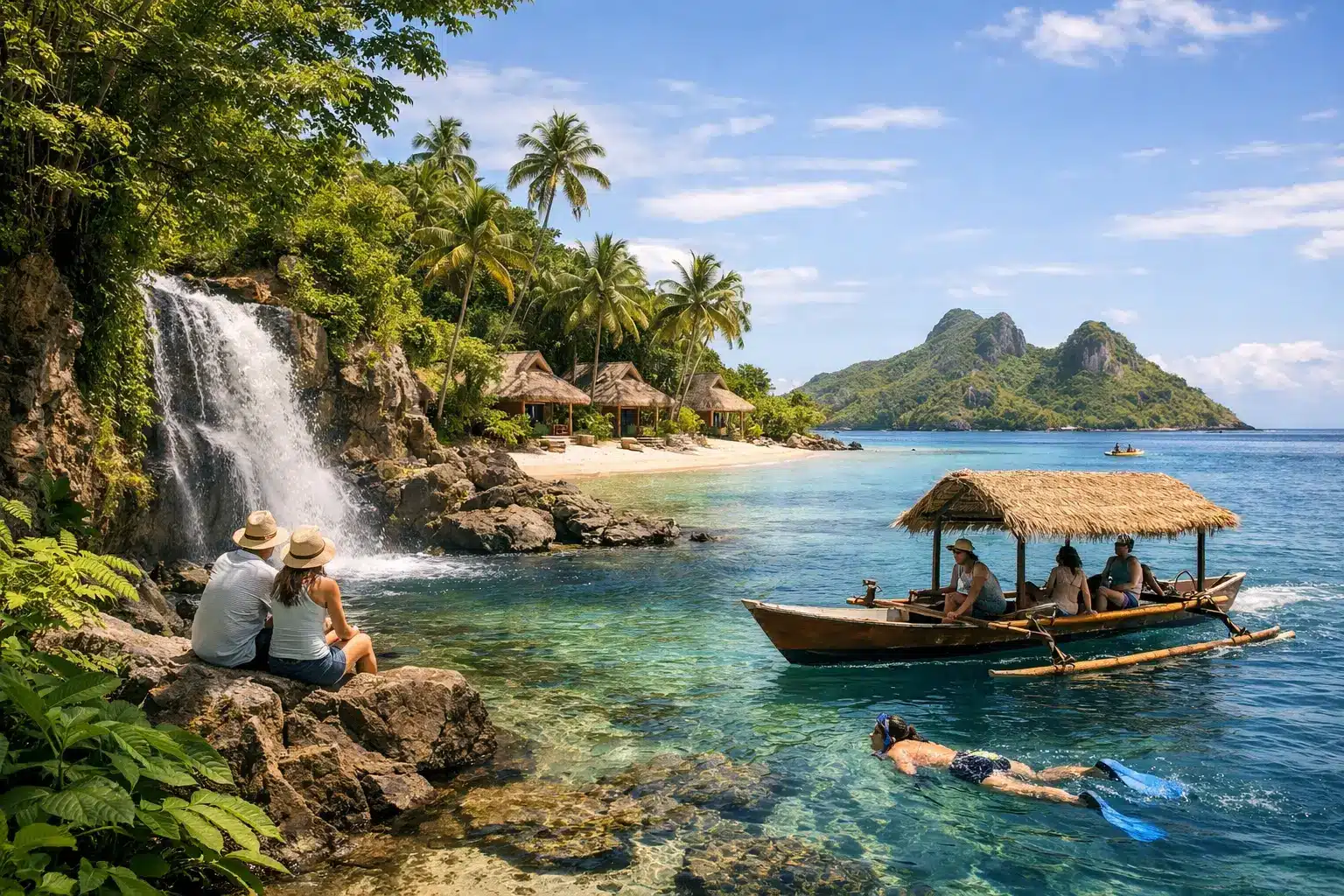
The clearest water in Fiji is not just a holiday backdrop. It is a living reef system, a fishing ground and part of everyday life for coastal villages. Fiji eco tourism is about enjoying those extraordinary places while making choices that keep the benefits in the islands – for the communities who welcome visitors and the environments that make a Fiji holiday so memorable.
For Australian travellers, this does not mean giving up comfort, great food or the kind of island day that fills your camera roll. It means choosing well-run experiences, travelling with respect and understanding that a little planning can make your holiday feel more meaningful.
Eco tourism in Fiji is not one specific tour label. It is a way of travelling that considers where your money goes, how an activity affects the environment and whether local people have a genuine role in the experience. The strongest operators make conservation, cultural respect and guest safety part of the day, rather than an afterthought.
You might visit a marine reserve with a guide who explains why you should not touch coral, join a village-based cultural experience where hosts lead the storytelling, or choose an island stay that manages water and power carefully. The best experiences still feel relaxed and fun. You can snorkel among bright reef fish, paddle a calm lagoon, enjoy a traditional meal and meet warm local hosts, while knowing the visit has been thoughtfully managed.
The trade-off is that responsible travel is sometimes less about ticking off the maximum number of sights and more about spending proper time in one place. A slower island day often gives you better snorkelling, more personal connection and less unnecessary travel than racing between stops.
Fiji has some of the South Pacific’s most remarkable underwater scenery, from sheltered coral gardens in the Mamanuca Islands to dramatic dive sites around the Yasawas, Pacific Harbour and the Coral Coast. Reefs are also fragile. Coral can be damaged by fins, anchors, standing in shallow water and sunscreen residue, while fish feeding can alter natural behaviour.
When booking a snorkelling or diving trip, look for an operator that provides a proper briefing, uses established moorings where available and keeps group sizes manageable. Ask whether guides point out marine life without handling it, and whether the schedule allows enough time to enjoy the reef without crowding it. These are practical signs of care, not just marketing claims.
Your own habits matter just as much. Wear a rash shirt for sun protection where possible, rather than relying only on sunscreen. Keep a comfortable distance from coral, turtles and rays, and never collect shells or coral as souvenirs. Even a tiny fragment taken home removes part of an ecosystem that took years to grow.
If you are travelling with children, a guided snorkelling trip can be especially worthwhile. Good guides make reef etiquette easy to understand and help younger swimmers feel confident in the water. It turns an exciting family activity into a genuine lesson in why Fiji’s lagoons deserve protection.
Weather, tides and visibility can change what is suitable on the day. During wetter months, a waterfall walk may be at its most impressive, while an exposed boat crossing can be choppier than expected. In drier periods, visibility can be superb in many areas, though conditions always vary by island and reef.
A trusted local operator will be honest about these realities and recommend an alternative when needed. Flexibility is part of travelling responsibly because it puts safe, enjoyable experiences ahead of forcing a plan that does not suit the conditions.
Fijian hospitality is famous for a reason, but a village visit should never be treated as a performance staged solely for visitors. Choose experiences led by local hosts, where there is clear permission to visit and the community benefits directly from your booking.
Your guide will explain local etiquette, which may include modest dress, removing hats in certain settings and asking before taking photographs. Listen closely. A warm greeting, a genuine interest in the people you meet and a willingness to follow the host’s lead go a long way.
Kava ceremonies, handicraft demonstrations and traditional food are often holiday highlights because they offer more than a quick photo stop. They give travellers a glimpse of Fiji’s strong communal culture. Be present for the conversation instead of viewing the experience through a mobile screen, and buy locally made crafts when they suit your luggage and budget. It is a direct way to support skills that are passed through generations.
Island life comes with practical limits. Fresh water, electricity and rubbish collection can be more challenging and expensive on smaller islands than they are in a city. Guests can help without turning their break into hard work.
Bring a reusable drink bottle, refill it where safe water is provided and say no to unnecessary single-use plastic. Pack a small reusable bag for wet swimmers or snacks, keep rubbish with you until there is a suitable bin, and use reef-friendly personal-care products where possible. At your accommodation, short showers and reusing towels make a real difference, particularly on remote islands that rely on rainwater or desalination.
Consider transport as well. A shared transfer, scheduled island vessel or small-group day tour can reduce duplicated journeys while taking the hassle out of arranging routes yourself. Private excursions are ideal for families, couples celebrating something special or travellers with limited time, but they are best used where the added flexibility genuinely improves your day.
The right Fiji eco tourism experience depends on the kind of holiday you want. From Nadi, the Mamanuca Islands offer convenient island day trips, sandy beaches and excellent beginner-friendly snorkelling. They can be busy, so choosing a trip with well-managed reef time and a clear itinerary matters.
The Yasawa Islands suit travellers who can allow more time. Their dramatic landscapes, clear lagoons and smaller island communities reward an unhurried approach. Multi-day itineraries often make more sense here than trying to fit a distant island into a rushed day trip.
Along the Coral Coast, travellers can combine resort comfort with village connections, rainforest scenery and river adventures. Pacific Harbour is a strong choice for guests seeking more adventure, including rafting, diving and cultural experiences. Each region has its own pace, and local advice is valuable when balancing transfer times with the activities you most want to do.
Best Fiji Activities can help match trusted island trips, cultural tours and transport arrangements to your holiday plans, so you spend less time comparing logistics and more time enjoying Fiji. Clear inclusions, realistic travel times and local guidance are particularly useful when you are combining a few regions in one stay.
A few smart questions can reveal a lot about an experience. Ask who leads the tour, whether local communities are involved, what the group size is and how the operator protects the places visited. For water activities, ask about safety equipment, reef briefings and what happens if weather changes the schedule.
Price matters, but the cheapest option is not always the best value. A slightly higher-priced tour that includes transport, experienced guides, quality equipment and appropriate local contributions may offer a far better day than a bargain that leaves key costs unclear. Transparent pricing makes it easier to choose with confidence.
Also consider your own energy level. A full-day island cruise may be perfect for active couples and families, while seniors or travellers with young children may prefer a shorter transfer, calmer waters and more time on one beach. Responsible travel includes choosing an itinerary that is enjoyable for everyone in your group.
Fiji is generous with its beauty, but it is not indestructible. Every respectful snorkel, locally guided visit and considered booking helps keep tourism working for the people and places that make these islands special. Plan a few days with purpose, leave room for the unexpected, and let Fiji’s ocean, culture and warm welcome do what they do best – stay with you long after the holiday ends.