Your cart is currently empty!
You may check out all the available trips and book one that suits you.
Continue Browsing Trips
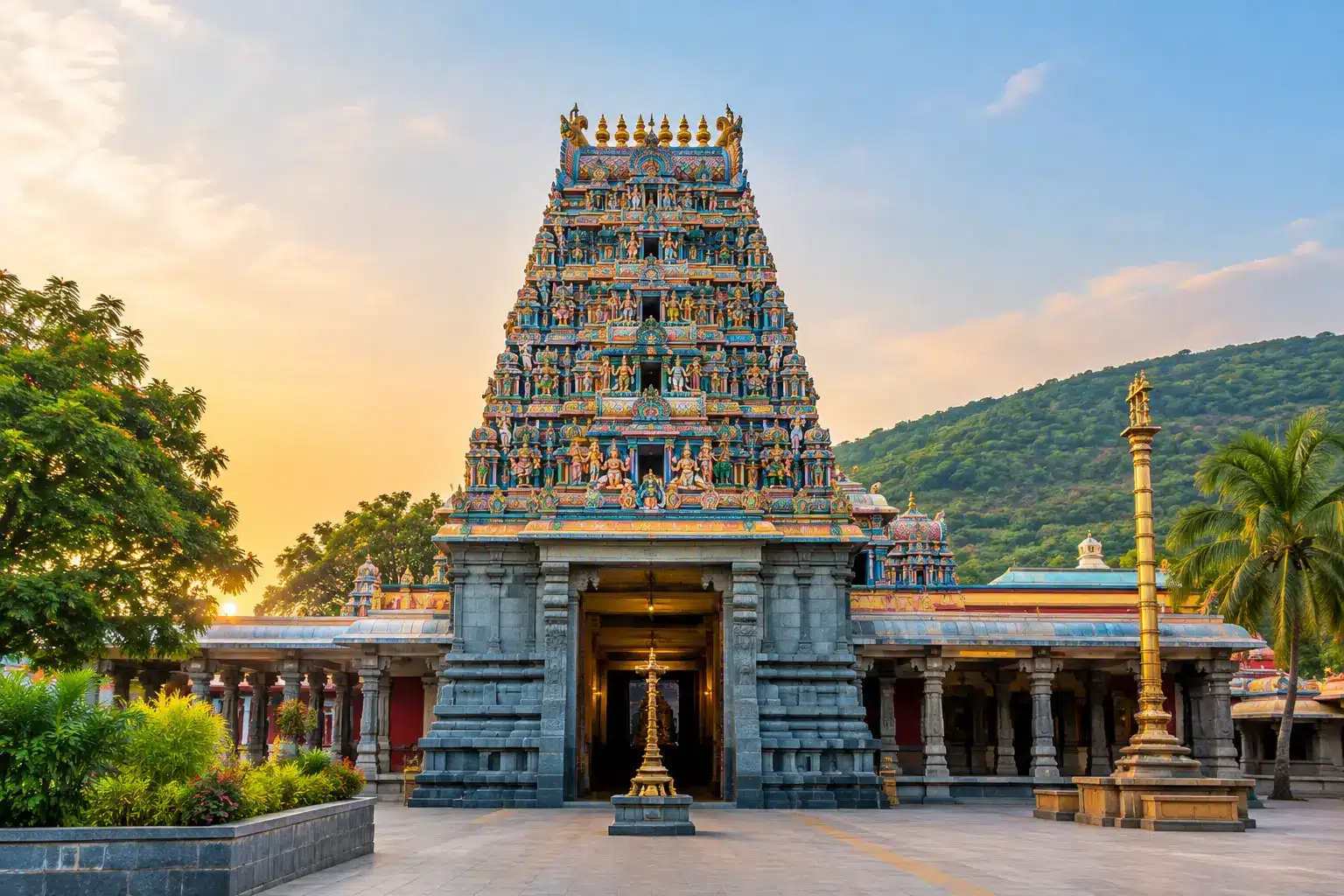
A visit to the Sri Siva Subramaniya Swami Temple brings a striking new colour to a Nadi holiday. Set near the bustle of Martintar and the main road through town, its vividly painted tower, detailed carvings and unmistakable South Indian style offer a meaningful cultural stop between island cruises, resort days and Fiji’s big outdoor adventures.
This is an active place of worship, not simply a landmark to tick off. That is precisely what makes it rewarding. Visitors who arrive with curiosity, dress respectfully and allow a little time to take in the details will see a side of Fiji that extends well beyond its beaches.
Hindu culture is an important part of Fiji’s story. Indo-Fijian communities have shaped the country’s food, faith, business and daily life for generations, and this temple is one of the clearest, most accessible places for travellers to appreciate that heritage while staying around Nadi.
Widely regarded as the largest Hindu temple in the Southern Hemisphere, the temple is known for its Dravidian architecture. Look up at the colourful gopuram, or entrance tower, and you will notice layer upon layer of sculpted figures. The craftsmanship is the first thing many visitors photograph, but it is worth slowing down before reaching for your camera. The temple’s visual richness is tied to living religious traditions, ceremonies and devotion.
For travellers who have spent several days snorkelling in the Mamanucas, relaxing by the pool or exploring Fiji’s waterfalls, this visit creates a welcome contrast. It offers a quieter, more reflective hour and a stronger sense of Nadi as a real, multicultural town rather than merely a gateway to a resort.
The temple is in Nadi’s Martintar area, along Queens Road, making it particularly convenient for visitors staying in Denarau, Wailoaloa, Nadi Town or near Nadi International Airport. Travel time depends on traffic, especially around school and work peak periods, but it is generally an easy addition to a half-day Nadi sightseeing plan.
A taxi is a simple option for couples and small groups. Agree on the fare or ensure the meter is running before leaving, and consider asking the driver to wait if you are not confident arranging a return ride. A private driver is even more convenient if you would like to combine the temple with Nadi Market, the Garden of the Sleeping Giant, Sabeto Hot Springs and Mud Pool, or a relaxed lunch along the way.
Hiring a car gives you flexibility, although visitors should be comfortable driving on the left and navigating local traffic. Parking around busy areas can be limited, so a transfer or guided Nadi tour often removes the hassle. For families, seniors and cruise visitors with limited time ashore, having transport organised also makes the day far more relaxed.
The best visits are respectful ones. As a functioning Hindu place of worship, the temple has expectations that are easy for international visitors to follow.
Dress modestly, with shoulders and knees covered. Light, breathable clothing is ideal in Fiji’s warm weather, and a shawl or scarf is handy if you need extra coverage. You will usually need to remove your shoes before entering designated temple areas, so wear footwear that is easy to take off and put back on. Keep your belongings tidy and avoid leaving valuables unattended.
Speak quietly, particularly if prayers or ceremonies are taking place. Do not touch shrines, statues, offerings or ceremonial items unless you are invited to do so. Visitors are welcome to observe, but should not interrupt worshippers or walk through a prayer space without guidance.
Photography rules can vary by area and by the activity taking place. Always ask a temple representative before taking photos or videos, and be especially considerate around people praying. A photo of the exterior may be possible, while interior photography can be restricted. Following instructions without fuss is one of the simplest ways to show genuine respect.
The temple rewards attention to detail. From the outside, the ornate tower is the obvious focal point. Its figures, colours and dense decorative layers are very different from the colonial churches and modern resort architecture that many visitors see elsewhere in Fiji.
Inside, take your time to notice the ordered layout, the ceremonial atmosphere and the care shown in maintaining the complex. Even if you are unfamiliar with Hindu practices, there is no need to feel intimidated. Observe what others are doing, follow any direction from staff, and approach the experience with an open mind.
If you visit when worship is underway, the experience may be more atmospheric but also busier and less suited to casual sightseeing. If your priority is quiet photography of permitted exterior areas and a slower look around, a less busy period may suit you better. Opening arrangements, visitor access and ceremony times can change, so check locally before travelling rather than planning around a fixed online timetable.
The temple is close enough to other Nadi highlights that it rarely needs to be a stand-alone outing. A well-paced half-day itinerary can begin with the temple, continue to Nadi’s local shops and market area, then head inland for tropical gardens or a mud pool soak. The right combination depends on your interests and how much time you have.
Culture-focused travellers may prefer to pair the temple with Nadi Market and a local lunch. The market is a lively place to see seasonal fruit, root vegetables, spices and everyday Fijian life. It is not polished in the way a resort boutique is, which is part of its appeal. Bring small cash, ask before photographing stallholders, and enjoy the chance to taste or buy local produce.
Couples looking for a softer, scenic day could combine the temple with the Garden of the Sleeping Giant, where shaded paths and lush tropical planting offer a peaceful change of pace. Families may get more enjoyment from adding Sabeto’s mud pool and hot springs, especially if children are ready for something hands-on after sightseeing.
Those staying on Denarau Island should allow extra travel time in both directions. Cruise ship passengers should be particularly careful with timing, as Nadi traffic and a delayed return can quickly eat into a ship departure buffer. Private shore arrangements are best kept realistic, with enough time to return to port comfortably rather than trying to fit in every attraction.
Fiji’s heat can be intense, so carry water, use sun protection before and after your temple visit, and keep a light rain jacket nearby during wetter months. Modest clothing does not need to be heavy clothing. Linen, cotton and other breathable fabrics are usually the most comfortable choice.
Carry a little local currency for entry arrangements, donations or small purchases if applicable, but do not assume that every site accepts card payments. A small bag is more practical than bulky beach gear, and a change of clothes can be useful if you are heading to the mud pools afterwards.
The temple is suitable for many travellers, including first-time visitors to Fiji, but access needs can vary. If mobility is a concern, discuss this in advance with your driver or tour organiser so they can advise on the most practical drop-off point and the day’s overall pace.
The Sri Siva Subramaniya Swami Temple is one of Nadi’s most memorable cultural experiences because it asks visitors to do more than look. It invites you to pause, learn and see Fiji through another lens. With reliable transport, sensible timing and respectful etiquette, it is an easy addition to a holiday itinerary and a genuine highlight beyond the resort.
If you would like help fitting the temple into a smooth Nadi day tour, airport transfer plan or private sightseeing itinerary, Best Fiji Activities can help you make the most of your time on the ground without rushing the moments that matter.