Your cart is currently empty!
You may check out all the available trips and book one that suits you.
Continue Browsing Trips
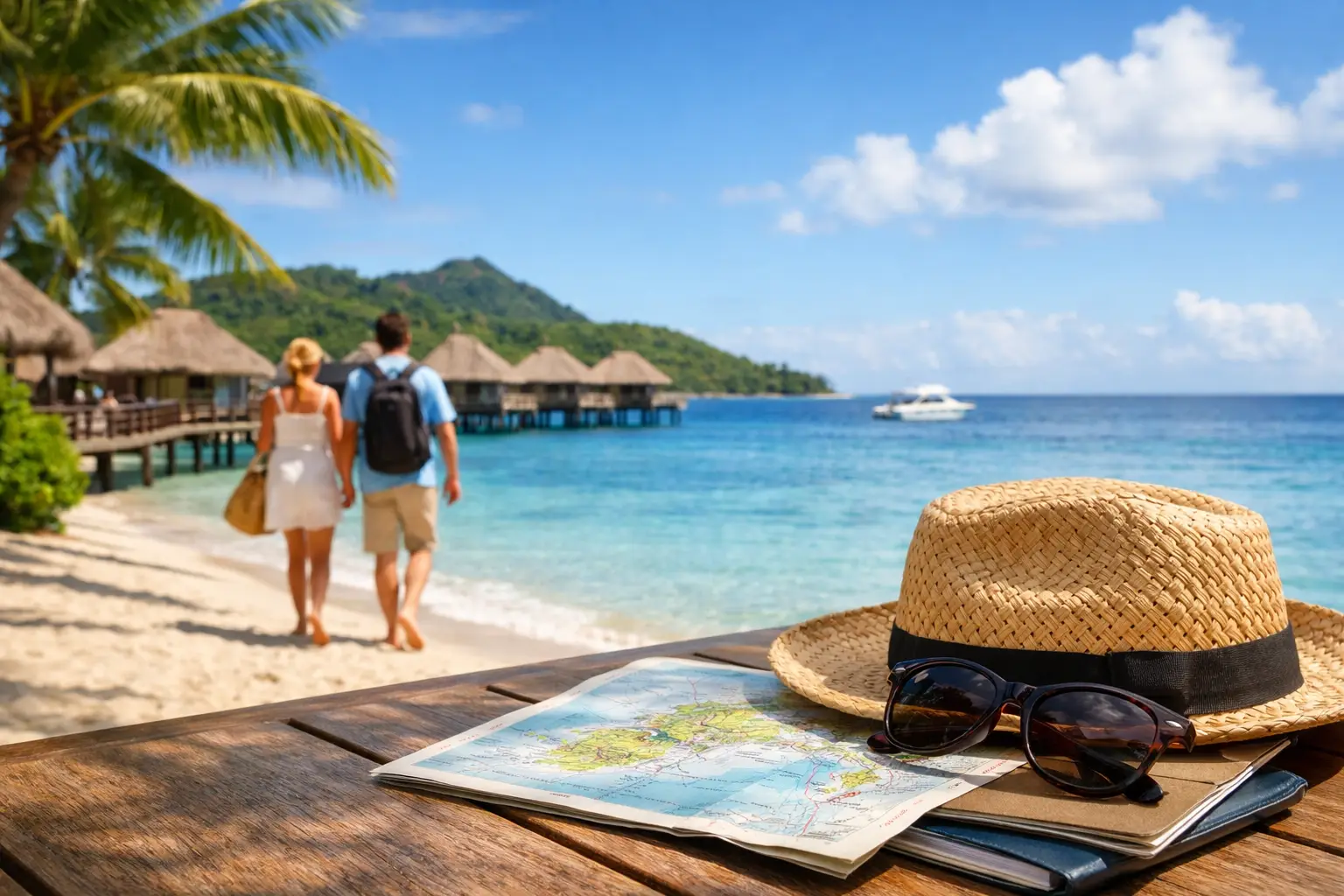
Fiji can feel wonderfully far away when you are looking at its turquoise water and palm-lined islands, but getting around is generally much easier than many first-time visitors expect. So, is Fiji easy to travel? For most Australian holidaymakers, yes – especially when you choose a sensible base, pre-arrange key transfers and allow enough time between island connections.
Fiji is built around welcoming visitors. English is widely spoken, Fijian hospitality is genuine, and the main visitor areas have a well-established network of resorts, drivers, ferries and day tours. The only part that needs a little forethought is geography: Fiji is an island nation, so a trip that combines Nadi, the Coral Coast and the Yasawa Islands needs more planning than a single-resort escape.
Fiji is particularly straightforward for travellers arriving from Australia because the main international gateway, Nadi International Airport, is close to the country’s busiest resort areas. After landing, you can reach Denarau Island in around 20 minutes, the Coral Coast in roughly 90 minutes to two hours, and many popular mainland hotels by private transfer or shared coach.
For a relaxed first visit, staying in one or two regions is usually the sweet spot. You might spend several nights near Nadi or Denarau for easy airport access and day trips, then add a few nights on an island or on the Coral Coast. Trying to visit several distant islands in a short holiday can turn precious beach time into a series of check-ins, boat schedules and packed bags.
The travel experience also depends on your preferred style. Couples wanting poolside cocktails and a reef cruise can keep logistics very simple. Families may find a mainland resort with organised day tours easier than changing islands. More adventurous travellers can use ferries, small aircraft and multi-day island passes to see more of the Yasawas, but should build flexibility into their plans.
Most international visitors arrive at Nadi International Airport on Viti Levu, Fiji’s largest island. The airport is compact compared with major Australian airports, and the first practical decision is how you will get to your accommodation.
Pre-booked airport transfers are the easiest option after a flight. A local driver meets you at the arrivals area, helps with luggage and takes you directly to your hotel. This is particularly useful for late arrivals, families with children, older travellers and anyone heading to an unfamiliar area. It also avoids negotiating transport when you would rather be changing into holiday mode.
Taxis are available, while resort coaches and shared transfers can offer good value for travellers who do not mind a few hotel stops. If you are hiring a car, confirm collection details in advance and allow time to adjust to driving on the left. Roads around Nadi and the Coral Coast are manageable, although conditions can vary outside main routes. Avoid planning long rural drives after dark, when lighting, animals on the road and changing weather make the journey less comfortable.
Fiji’s island scenery is a major reason to visit, and it is also where a little planning makes the biggest difference. The Mamanuca and Yasawa Islands are reached by scheduled catamaran, private boat, helicopter or seaplane, depending on your resort and budget.
For the Mamanucas, boat transfers from Denarau Marina are often quick and convenient. Many islands are close enough for a day trip, making them ideal for travellers based in Nadi or Denarau who want snorkelling, sandy beaches and a taste of island life without moving accommodation.
The Yasawa Islands are further north, so transfers take longer. The journey is part of the experience – expect wide ocean views, island drop-offs and a slower pace – but it is worth checking the timetable before booking your accommodation. A resort that looks close on a map may be several hours away by boat.
Weather can occasionally affect marine services, especially during the wetter months. Reputable operators monitor conditions closely and prioritise safety, but visitors should avoid booking a flight home on the same day as a long island boat transfer. An overnight in Nadi or Denarau before departure gives you a comfortable buffer and one last chance for a sunset dinner.
Fiji is not difficult to travel, but each region suits a different kind of holiday. Choosing the right one can save time and make every day feel better paced.
Nadi and Denarau are the most convenient choices for short stays, first-time visitors and travellers who want plenty of tour options. You are close to the airport, Denarau Marina and a broad choice of restaurants, resorts and activities. Popular experiences include island day cruises, jet boat adventures, cultural visits, river safaris and inland sightseeing.
This is the practical base for people who want a holiday with minimal transit time. It is also ideal for cruise passengers looking for well-organised shore experiences that fit comfortably within port schedules.
The Coral Coast offers a more laid-back mainland escape along Viti Levu’s southern shoreline. It is a strong choice for families, couples and travellers who want to settle into one resort while enjoying beaches, villages, waterfalls and cultural experiences nearby.
Transfers from Nadi take longer than Denarau, but you gain a quieter setting and easy access to activities such as Sigatoka River tours, sand dunes, reef snorkelling and village visits. For a week-long holiday, the Coral Coast can be a very easy place to stay put and explore.
These islands deliver the postcard Fiji many visitors imagine: clear lagoons, reef snorkelling, beach bures and warm water at your doorstep. The Mamanucas are generally easier for a shorter island stay, while the Yasawas reward travellers with more time and a willingness to travel further.
Island resorts often arrange transfers directly, so the process is less complicated than it sounds. The key is to confirm baggage limits, departure times and whether meals or transfers are included before you book.
Fiji is widely regarded as a welcoming destination for international visitors. In the main tourist areas, staff are used to helping overseas guests, and English is commonly used alongside Fijian and Fiji Hindi. You can comfortably order meals, arrange transport and ask for directions without a language barrier.
As with any holiday destination, use normal travel awareness. Keep valuables secure, avoid isolated areas late at night, and use reputable transport and tour providers. When swimming or snorkelling, pay attention to resort advice, currents and reef conditions. Reef shoes are useful on rocky shorelines, while sunscreen, a hat and a reusable water bottle are everyday essentials.
Fiji operates on what many visitors affectionately call “Fiji time”. Service is warm and attentive, but the pace can be more relaxed than at home. Rather than expecting every small detail to run to the minute, allow extra time and enjoy the slower rhythm. Major transfers and professionally run tours work to schedules, but patience helps if weather or island conditions cause a change.
Fiji can suit a wide range of budgets, although island holidays are not always the cheapest option once transport, meals and activities are added. A mainland stay near Nadi, Denarau or the Coral Coast can offer greater flexibility, with supermarkets, local eateries and a variety of day tours available.
On smaller islands, meals are often included or sold as compulsory meal plans because there are few alternatives nearby. This can be excellent value and wonderfully convenient, but it is important to factor it into the total holiday cost. Check what is included: transfers, snorkelling equipment, non-motorised water sports, meals and activities vary between resorts.
Booking key components together can also make the trip easier to manage. Best Fiji Activities can help visitors pair reliable airport and hotel transfers with standout day tours, island trips and local experiences, so there is less time spent comparing unfamiliar providers after arrival. Look for clear inclusions and transparent pricing rather than choosing solely on the lowest advertised rate.
Before travelling, make sure your passport meets entry requirements and check the latest Fiji entry rules through official channels. Travel insurance is strongly recommended, especially if you plan to take boats, participate in adventure activities or visit outer islands.
Bring a mix of cards and some Fijian cash for small purchases, local markets and remote areas. Cards are accepted at many resorts and larger businesses, but connection issues can happen outside major centres. A local SIM or eSIM can be handy for confirming pickups and keeping in touch with drivers, although resort Wi-Fi is common.
Pack light if you are travelling by small aircraft or moving between islands. Soft luggage is often easier than a hard suitcase, and casual resort wear suits almost every setting. For village visits, dress modestly by covering shoulders and knees, and follow your guide’s advice on local customs.
The easiest Fiji holiday is not the one that tries to tick off every island. It is the one with enough room for an unhurried breakfast, a boat ride across bright water, a chat with local hosts and a spare afternoon when you decide the pool is exactly where you need to be.