Your cart is currently empty!
You may check out all the available trips and book one that suits you.
Continue Browsing Trips
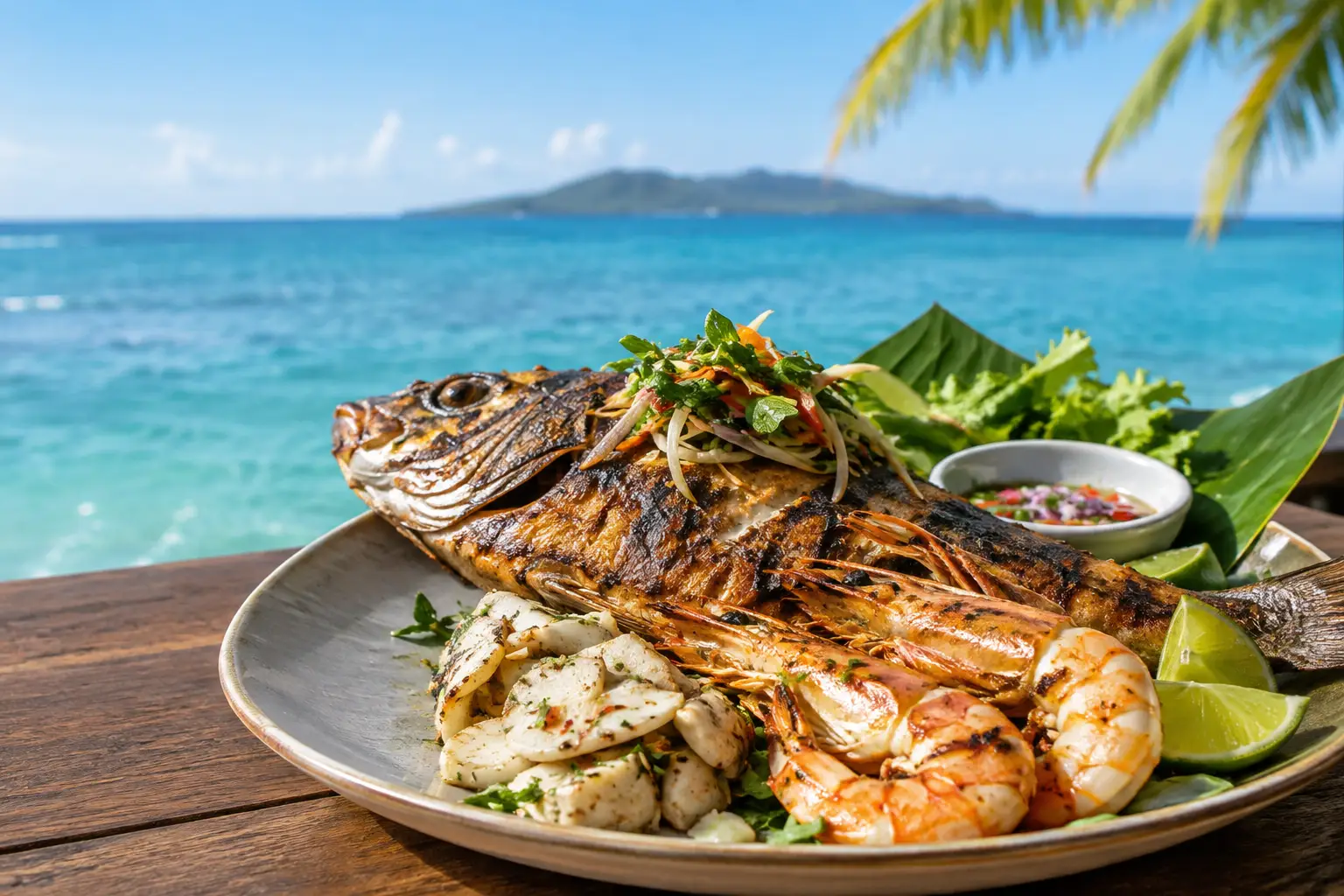
A sunset table, salt in the air and a plate of beautifully fresh local seafood can be one of the simplest pleasures of a Fiji holiday. If the fish bar is on your dining list, it is worth treating the occasion as more than a quick meal between activities. Fiji’s best seafood experiences are closely tied to where you are staying, what has been landed locally and whether you want a relaxed beachside dinner, a lively resort evening or a special meal to celebrate the trip.
For travellers based around Nadi, Denarau, the Coral Coast or the islands, a good fish bar is an easy way to taste Fiji’s coastal character without overthinking the menu. The key is knowing what to look for, when to book and how to choose dishes that suit your appetite and travel plans.
A fish bar should feel connected to the water. That does not necessarily mean bare feet in the sand, although Fiji certainly does that well. It can also mean a polished restaurant with ocean views, a marina setting where boats drift past, or an island dining space where the evening begins as the lagoon turns gold.
The strongest menus keep the focus on quality seafood and clean flavours. Look for locally caught fish prepared simply, with citrus, chilli, coconut, herbs or seasonal tropical produce. A well-made kokoda is a brilliant place to start. Often described as Fiji’s answer to ceviche, it features raw fish cured in lime and folded through creamy coconut milk with fresh vegetables. Every kitchen has its own balance of tang, heat and richness, so it is worth ordering when it is available.
Freshness matters, but so does provenance. Fiji’s marine environment is precious, and responsible dining is part of travelling thoughtfully. Ask staff what is local and in season, and be open to the fish recommended that day rather than arriving with one specific species in mind. The best choice may depend on the conditions, the catch and the chef’s preparation.
Not every fish bar suits every holiday moment. A couple celebrating an anniversary may prefer a quieter waterfront table and a longer dinner, while a family with young children may value an early sitting, familiar sides and an easy walk back to the room. Friends heading out after a day cruise might want a more social atmosphere, share plates and cold drinks rather than a formal meal.
Beachfront venues are ideal when the setting is as important as the food. They work beautifully after a day on the water, especially when you can arrive before sunset and settle in as the temperature softens. On smaller islands, dinner service may run to a set schedule or have a limited choice of tables, so booking ahead is sensible.
There is a trade-off. The most romantic tables can be exposed to wind or occasional rain, and island logistics can affect dining times. If you are travelling back to the mainland that evening, always allow enough time for the final boat transfer. A memorable meal is even better when you are not watching the clock.
Around Denarau and major resort areas, seafood restaurants are often the simplest option for visitors who want comfort, choice and reliable transport access. These venues can suit mixed groups particularly well, as menus usually include vegetarian choices, meat dishes and children’s options alongside seafood.
A resort restaurant may feel less secluded than an island venue, but it can be much easier to organise after an afternoon tour or airport transfer. For a first or last night in Fiji, that convenience counts. You can enjoy a quality dinner without adding another complicated journey to the day.
For travellers keen to experience a more everyday side of Fiji, seek out casual seafood meals beyond the large resorts where practical. The atmosphere may be simpler, but the flavours can be excellent and the welcome warm. Ask respectfully about the day’s dishes, be patient if food is cooked to order, and remember that island time is part of the experience.
Local dining is not about chasing a bargain at any cost. It is about enjoying honest food, supporting local businesses and allowing room in your itinerary for a meal that may be less polished but full of character.
Kokoda is the essential starter for many visitors, particularly on a warm evening. If you are unsure about raw seafood, ask whether there is a cooked fish option with coconut sauce, grilled vegetables or cassava. Grilled reef fish, prawns, calamari and seafood platters are common favourites, although availability changes from place to place.
For a more distinctly Fijian meal, pair seafood with root crops such as cassava, dalo or kumala. These are hearty, satisfying alternatives to chips and rice, and they carry sauces beautifully. A crisp green salad, tropical fruit salsa or lightly dressed slaw can add welcome freshness in the humidity.
Do not assume that the biggest platter is automatically the best order. A large platter can be great for a hungry group, but smaller shared starters followed by individual mains often give everyone more choice. If you have been snorkelling, cruising or walking in the heat all day, you may also prefer lighter dishes and plenty of water before a cocktail or wine.
Guests with allergies or dietary needs should speak to the team before ordering. Seafood, coconut and sauces can all require extra care. Fiji’s hospitality is famously warm, and most restaurants will do their best to guide you, but clear communication makes the experience easier for everyone.
The ideal fish bar booking depends on where the rest of your day takes you. After a full-day Mamanuca Islands cruise, stay close to Denarau or arrange your transfer before you leave in the morning. After exploring the Coral Coast, consider dining near your resort rather than committing to a long night drive. If you are on an outer island, confirm meal times as soon as you arrive.
Sunset is popular for good reason, so book early if you have your heart set on a waterfront table. In peak school holiday periods and around Christmas and New Year, the most sought-after dinner times can fill quickly. It is also wise to mention birthdays, anniversaries and dietary requirements at the time of booking rather than hoping they can be accommodated on arrival.
Transport is the detail that can turn a great dinner into a stressful one. Fiji roads, resort distances and evening conditions are not always familiar to first-time visitors. Pre-arranged transfers give you the freedom to enjoy the meal without needing to navigate back in the dark or negotiate transport after service finishes. Best Fiji Activities can help visitors coordinate dependable transport alongside day tours, so a special dinner fits neatly into the wider holiday plan.
Dress codes vary, but Fiji is generally relaxed. Smart-casual clothing works well for most fish bar settings: light fabrics, sandals or tidy shoes, and something to put over your shoulders after dark. If dining by the beach, insect repellent can be useful, especially after rain.
Ask about service charges and any special-menu pricing before confirming a large group booking. Transparent pricing makes it much easier to relax and enjoy the evening. For travellers on a set budget, lunch can sometimes offer a similar menu and view at a gentler price, while dinner delivers the fuller atmosphere.
Most importantly, do not rush it. Fiji is at its best when there is time to savour a meal, chat with the people around you and watch the evening unfold. Choose the catch of the day, order the kokoda if it appeals, and let a great seafood dinner become one of those unexpectedly vivid holiday memories you take home with you.