Your cart is currently empty!
You may check out all the available trips and book one that suits you.
Continue Browsing Trips
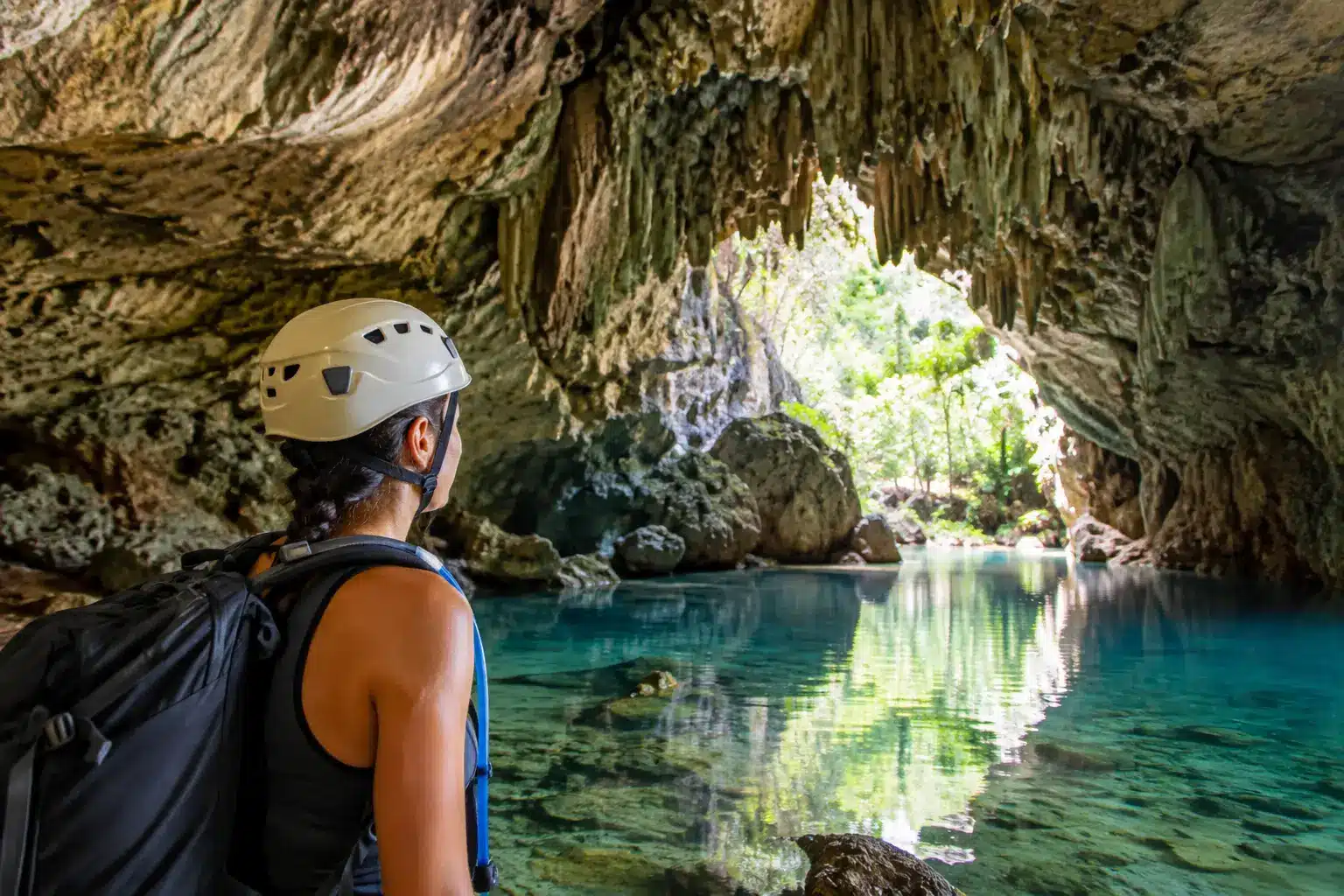
A Fiji cave visit can take you from bright tropical lagoons into cool limestone chambers, through stories that reach far beyond the holiday brochure. For travellers wondering how to explore Fiji caves, the key is choosing the right cave for your confidence level, travelling with a knowledgeable local guide, and allowing enough time to enjoy the journey rather than rushing it.
Fiji’s caves are not all the same. Some are reached by boat and involve a swim through clear seawater; others sit inland, where a guided walk reveals dramatic chambers, cultural history and ancient refuge sites. With the right planning, a cave tour can be one of the most memorable additions to a Fiji island or mainland itinerary.
Start by deciding whether you are looking for a water-based adventure or a cultural inland experience. This makes a real difference to what you should wear, how you get there and whether the tour suits children, non-swimmers or anyone uneasy in enclosed spaces.
Sawa-i-Lau Cave in the northern Yasawa Islands is Fiji’s best-known sea cave experience. Visitors enter a vast limestone cavern where sunlight catches the blue-green water, creating the kind of scene that earns a permanent spot in the photo album. Reaching the inner chamber usually involves swimming through a short underwater passage. It is thrilling for confident swimmers, but it is not a challenge to treat casually. Conditions, water level and access procedures can vary, so follow the guide’s instructions and be honest about your swimming ability before entering.
On Viti Levu, Naihehe Cave near Sigatoka offers a very different atmosphere. This large inland cave is known for its cultural and historical significance, with local guides sharing the stories connected to the site as you walk through impressive chambers and passages. It is an excellent choice for travellers who want more than a swim, especially those staying around the Coral Coast, Sigatoka or Nadi.
If your Fiji holiday is centred on the Mamanuca Islands, a cave trip may require a longer transfer or a change of island plan. That does not make it a poor choice, but it does mean you should weigh up travel time against your available holiday days. A Yasawa itinerary naturally pairs well with Sawa-i-Lau, while the Coral Coast is a convenient base for an inland cave visit.
In Fiji, many natural and cultural sites are connected to local villages and customary land. A local guide is not simply there to point out the path. They help arrange appropriate access, explain the cave’s place in local history and make sure visitors move through the area respectfully and safely.
For a sea cave, guides assess the day’s conditions, explain the safest way to enter and exit the water, and set the pace for the group. They also know when the underwater opening is unsuitable for less confident swimmers. Never feel pressured to attempt the inner section. Staying in the main chamber can still be a brilliant experience, and good guides will offer practical alternatives where possible.
For inland caves, a guide helps with uneven ground, low ceilings and darker sections where footing matters. Some caves have slippery rocks, mud or shallow water underfoot, particularly after rain. Closed-toe water shoes or sturdy sandals with grip are usually a better option than thongs.
Booking a guided experience also makes the logistics easier. Depending on the cave and your location, your day may involve a hotel pick-up, boat transfer, village visit or a short bush walk. Best Fiji Activities can help travellers combine trusted cave experiences with transfers and wider itinerary planning, so the day fits smoothly around your accommodation and other tours.
The ideal gear depends on your cave, but a few essentials apply almost everywhere. Wear swimwear under light clothing if your tour includes water, bring a towel and pack a dry bag for your mobile, camera and valuables. Reef-safe sunscreen is useful for the boat journey or walk, although it should not be applied immediately before entering the water if you can avoid it. A rash shirt can add comfort on sunny boat trips.
For Sawa-i-Lau and similar marine caves, only take equipment you are comfortable swimming with. A waterproof camera can be worthwhile, but secure it properly and keep one hand free when moving through the water. Do not rely on a mobile pouch as your only flotation solution.
For a land-based cave, choose clothes that can handle a little mud and humidity. A light layer may be welcome in a cooler chamber, while insect repellent can be useful on the approach walk. Keep jewellery minimal. Rocks, ladders and narrow sections are no place for loose valuables.
Weather is another factor. Fiji’s wet season generally runs from November to April, bringing warmer, more humid days and a greater chance of heavy rain. Tours can still operate, but paths may be muddier and some conditions can change quickly. During the drier months, May to October, walking conditions are often more comfortable, though sea conditions always depend on the day. Your operator will advise if weather requires a change of plan.
The most striking cave images often show swimmers heading into a shadowy opening or standing beneath a high limestone roof. They are inspiring, but they do not show the safety briefing, local knowledge and sensible decision-making behind a well-run visit.
Listen closely before you enter, especially when your guide explains where to place your feet, how to move in the water and when to use a torch. Stay with your group. Caves can make voices echo and distances hard to judge, while wet rock is far slipperier than it looks.
If you are not a strong swimmer, say so at the beginning of the tour. This is particularly important for caves with a submerged passage. A life jacket may be available for open-water portions of a trip, but it does not automatically make every confined swimming section suitable. It depends on the cave layout, the group and the operator’s safety procedures.
Families should check minimum ages and swimming requirements before booking. Older children who are confident in water may love a sea cave adventure, while younger children might be better suited to an accessible inland cave or a boat trip with plenty of lagoon swimming. Pregnant travellers, people with mobility limitations and anyone with claustrophobia should ask detailed questions in advance. There is no single answer because access varies widely between sites.
Fiji’s caves are natural environments and, in many cases, culturally important places. Treat them as more than a backdrop. Do not touch fragile formations, scratch names into rock, remove shells or stones, or leave rubbish behind. Keep voices low when guides request it, and ask before photographing people in villages or culturally significant areas.
A respectful visit also means accepting local protocols. Your guide may explain where you can walk, swim or take photographs, and some areas may not be open to visitors at all. These boundaries protect both the environment and the stories that make the place meaningful.
Avoid squeezing a cave visit between a long transfer and an evening flight. Boat schedules, weather and island distances can make Fiji travel wonderfully relaxed, but they do not reward a tight timetable. If you are visiting Sawa-i-Lau, plan it as part of a Yasawa stay or cruise rather than a rushed day trip from Nadi. For Naihehe Cave, allow time to enjoy the Coral Coast or Sigatoka area before or after your visit.
Cave adventures pair beautifully with a village visit, waterfall stop, reef snorkelling or a relaxed beach afternoon. The best itinerary is not necessarily the one that ticks off the most attractions. It is the one that gives you enough breathing room to hear the stories, dry off after the swim and enjoy Fiji at its natural pace.
For most visitors, a guided tour is the safest and most respectful option. Access may be controlled through local communities or tour operators, and a guide is particularly essential for caves involving underwater passages, boating or uneven terrain.
Not for every Fiji cave. Inland sites such as Naihehe Cave are primarily walking experiences, while Sawa-i-Lau’s inner chamber is better suited to confident swimmers. Check the exact activity level before booking, rather than assuming all cave tours are alike.
Cave visits run across much of the year. May to October often brings drier conditions for walks, while the warmer wet season can still be enjoyable with flexible plans. For sea caves, the day’s weather and water conditions matter more than the calendar alone.
A Fiji cave is at its best when you arrive prepared, choose an experience that matches your comfort level and let local expertise lead the way. That is when the cool water, limestone shadows and living stories become a genuine holiday highlight.