Your cart is currently empty!
You may check out all the available trips and book one that suits you.
Continue Browsing Trips
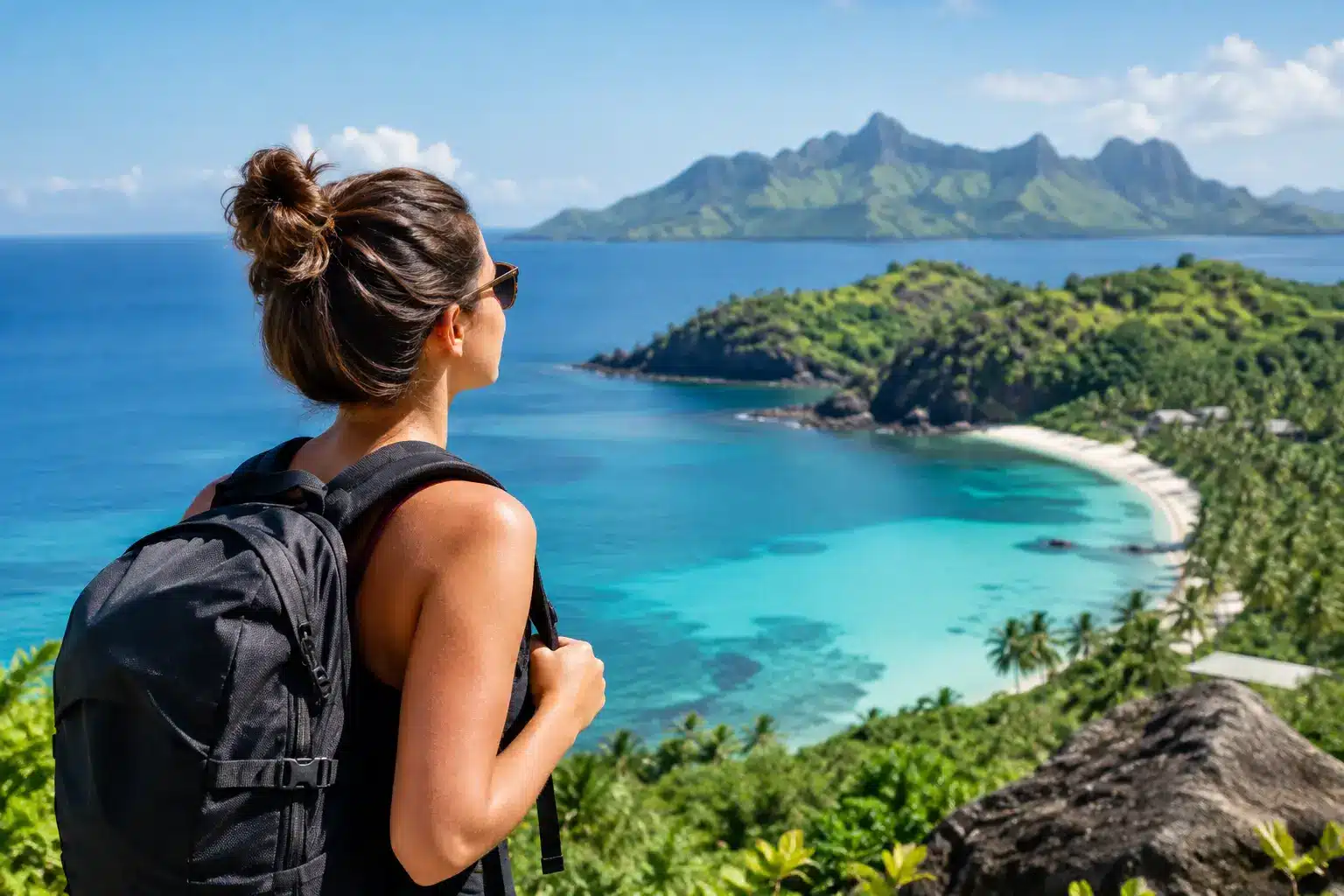
Fiji is made for the kind of holiday where strangers soon know your name, but is Fiji safe for solo travellers in practical terms? For most visitors, yes. Fiji is widely regarded as a welcoming, friendly destination with well-established tourism areas, helpful locals and plenty of organised experiences that make travelling independently feel easy. As with any overseas holiday, though, a little awareness goes a long way.
The best approach is to enjoy Fiji openly while making sensible choices about where you stay, how you get around and what you carry. Solo travel here can be wonderfully social, especially across the islands, but it is not a reason to switch off your usual travel instincts.
Fiji is generally a safe destination for solo travellers, particularly in popular visitor regions including Nadi, Denarau, the Coral Coast, Pacific Harbour, the Mamanuca Islands and the Yasawa Islands. Tourism is a major part of daily life in these areas, and many resorts, tour operators and transfer providers are experienced at looking after international guests.
Violent crime against tourists is uncommon, but petty theft can happen. Treat it as you would in any holiday destination: keep your phone, wallet, passport and valuables secure, do not leave bags unattended, and use the in-room safe where one is available. Avoid carrying all your cash and cards at once, particularly when heading to a beach, market or busy transport point.
The biggest safety differences tend to come down to location and timing. Resort areas and island properties generally feel relaxed and well managed. In larger towns, particularly after dark, it is wiser to avoid walking alone on quiet streets, beaches or poorly lit areas. Arrange a reputable transfer or taxi instead, and ask your accommodation team for current local advice.
Where you stay shapes your solo Fiji experience as much as any safety checklist. If you want an easy arrival, regular dining options and day tours at your fingertips, Denarau or nearby Nadi accommodation can be a practical starting point. These areas suit travellers who want dependable transfers and the flexibility to join island cruises, cultural tours and sightseeing trips without changing hotels every day.
For a more social holiday, the Mamanuca and Yasawa Islands are excellent. Smaller island resorts often have communal dining, activities and a naturally friendly atmosphere, so it is easy to meet other travellers without forcing the issue. You may spend the day snorkelling, paddleboarding or visiting a local village, then share stories over dinner with people you met that morning.
The trade-off is remoteness. Island stays are peaceful, but services can be limited and boat schedules matter. Confirm your transfers before travelling, keep essential medication with you, and let your accommodation know if your plans change. On outer islands, reliable planning is part of travelling safely.
Pre-arranged transport removes a lot of uncertainty when you are travelling alone. This is especially useful on arrival at Nadi International Airport, after an evening flight, or when connecting between resorts and marinas. A confirmed airport or hotel transfer means you know who is collecting you, where to meet them and what the journey should cost.
Taxis are common around major visitor areas. Use licensed taxis, agree on the fare or confirm the meter arrangement before setting off, and keep small notes handy. If a driver makes you uncomfortable or a vehicle does not seem suitable, trust your judgement and choose another option.
Public buses offer a local and affordable way to travel on Viti Levu, but they are best for confident travellers with flexible plans. For longer journeys, private transfers and guided day tours are usually more comfortable and straightforward. They also make it easier to reach waterfalls, villages, river activities and lookouts that are not simple to access independently.
When travelling by boat, only book through established operators and listen carefully to crew instructions. Sea conditions can change, particularly during wet weather. Life jackets are not optional, and neither is giving yourself enough time to reach the marina or wharf.
Fiji’s laid-back atmosphere can make it tempting to leave your things on the sand while you swim. Bring only what you need to the beach, keep valuables out of sight and ask a travelling companion or resort staff member to watch belongings if you are heading into the water for an extended time.
In towns, use the same awareness you would use at home. Keep your bag zipped and close to your body in crowded places, do not display expensive jewellery or large amounts of cash, and be alert when using an ATM. It is also sensible to save your accommodation address and transfer contact details on your mobile before heading out.
Nightlife is enjoyable in resort zones, but solo travellers should pace themselves. Keep an eye on your drink, avoid accepting lifts from people you have just met, and organise your journey back before the evening gets too late. If you are meeting new people for dinner or drinks, tell someone at your accommodation where you are going. This is not about being fearful – it is about preserving the freedom that makes solo travel so rewarding.
Fijian hospitality is genuine, and showing respect for local customs will make your interactions warmer and more comfortable. Dress modestly when visiting villages, towns, churches or places of worship. Swimwear belongs at the pool or beach, while covered shoulders and knees are a considerate choice away from the resort.
If you join a village visit, follow your guide’s advice on greetings, photography and local protocol. A guided cultural experience is one of the best ways to understand Fiji beyond its beaches, as local guides can explain the meaning behind traditions rather than simply showing you the highlights.
You may hear the word bula everywhere. It is more than a greeting – it reflects the warmth and connection many visitors remember most. Be friendly, ask permission before photographing people, and take the time to talk with your hosts. Solo travellers often find these small interactions are the heart of their trip.
Fiji’s natural environment is spectacular, but it deserves respect. Use reef-safe sunscreen, drink plenty of water and plan active excursions for the cooler part of the day where possible. Tropical heat can catch visitors out, especially after a long-haul flight or a busy first day.
Mosquitoes can be present, particularly after rain, so pack insect repellent and cover up around dawn and dusk. Comprehensive travel insurance is strongly recommended for all solo travellers, including cover for medical treatment, cancellations and any adventure activities you plan to book.
Ocean safety also matters. Swim in designated areas where available, pay attention to tides and currents, and never assume a calm-looking lagoon is risk-free. Snorkelling with a guide is a brilliant option if you are travelling alone, both for local knowledge and added reassurance. For hiking, waterfalls, jet boat trips or off-road adventures, choose experienced operators with properly maintained equipment and clear safety briefings.
Cyclone season generally runs from November to April. A holiday during this period can still be fantastic, with lush landscapes and fewer visitors, but weather is less predictable. Build flexibility into your itinerary and keep an eye on advice from your accommodation or tour provider if heavy rain is forecast.
A well-run tour gives solo travellers more than transport. It provides local context, practical support and a ready-made group for the day. Whether you are sailing to the Mamanucas, snorkelling coral reefs, exploring the Coral Coast or joining a cultural experience, you can enjoy the destination without worrying about directions, parking, schedules or who to call if plans shift.
It is worth choosing operators that are clear about inclusions, pickup times and safety requirements before you book. Transparent pricing and reliable communication are especially valuable when you are travelling on your own. Best Fiji Activities can help simplify those moving parts with trusted tours, transfers and local holiday planning support across Fiji’s most popular regions.
Fiji rewards travellers who leave room for a little spontaneity while keeping the essentials organised. Book your key transfers, choose accommodation that suits your confidence level, listen to local advice and say yes to experiences that put you in the care of knowledgeable local guides. That leaves you free to enjoy the sunset cruises, reef swims and warm bula welcomes that make a solo Fiji holiday feel anything but lonely.