Your cart is currently empty!
You may check out all the available trips and book one that suits you.
Continue Browsing Trips
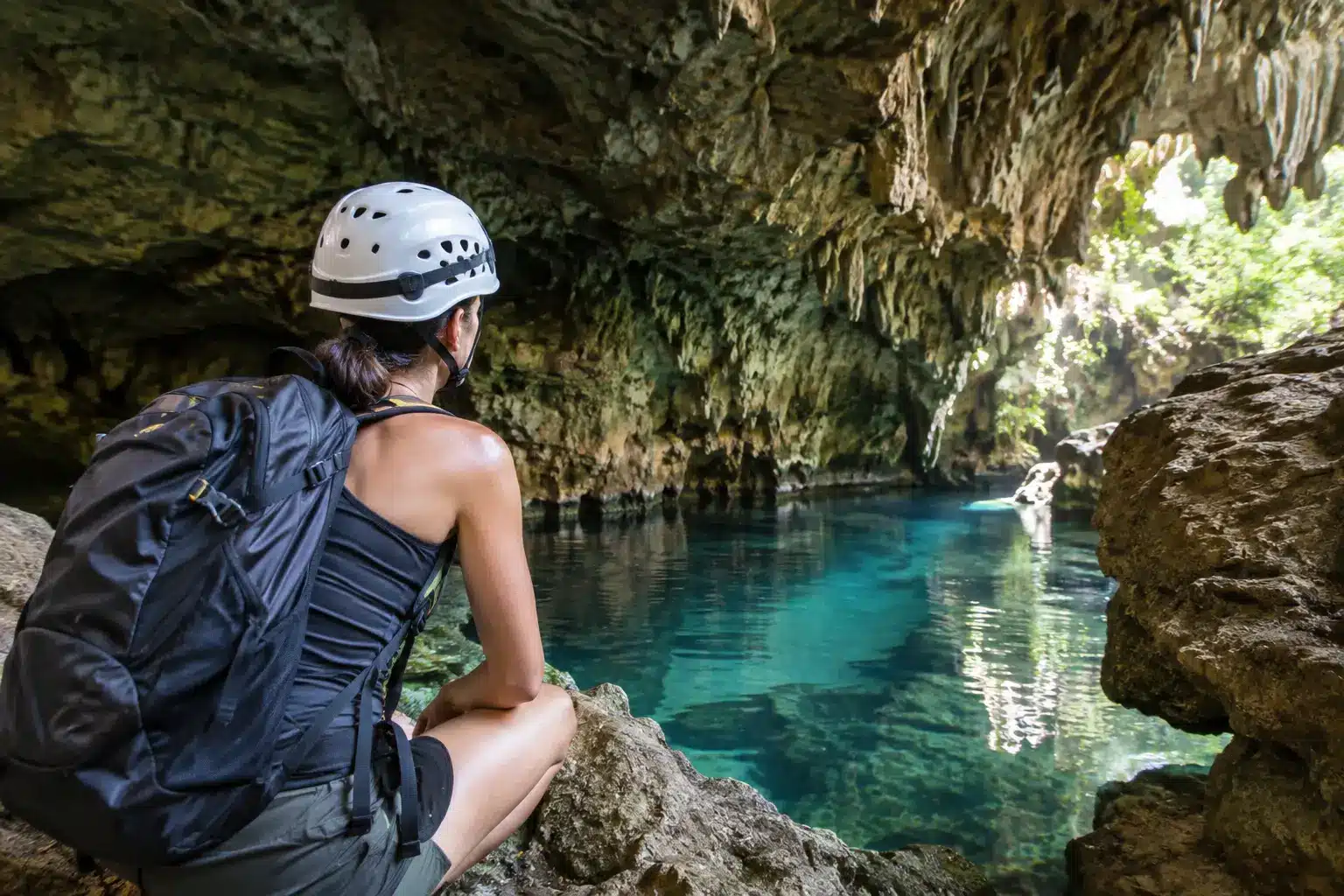
A cave visit in Fiji is not simply a stop for photos. You might swim into a limestone chamber where sunlight cuts through blue water, or walk with a village guide into a place tied to centuries of local history. Knowing how to visit Fiji caves means choosing the right experience for your confidence in the water, your holiday route and the cultural care these special places deserve.
For many visitors, Fiji’s caves are a memorable change of pace between island snorkelling, resort time and waterfall walks. They are also often in remote areas, where local knowledge makes a real difference. A well-organised tour takes care of access, safety and cultural protocol so you can focus on the experience.
Fiji cave adventures vary more than travellers expect. The best choice depends on whether you want a scenic island swim, a cultural history tour or a more active inland outing.
Sawa-i-Lau Caves are Fiji’s best-known cave attraction, set in the northern Yasawa Islands. The first limestone chamber is open to the sky, with clear seawater below and dramatic rock walls around you. It is an extraordinary spot for confident swimmers and anyone wanting one of Fiji’s most photogenic natural experiences.
A second inner chamber may be available on guided visits. Access involves swimming through a short underwater passage, so it is only suitable for confident swimmers who are comfortable following instructions in enclosed water. There is no need to attempt it if you feel uncertain. The outer chamber is still a standout experience and gives many travellers exactly the cave swim they came for.
Reaching Sawa-i-Lau takes planning. It is far north in the Yasawas, so it is usually best experienced during an overnight island stay or as part of a multi-day Yasawa itinerary. Trying to fit it into a rushed day trip from Nadi can mean a long, tiring travel day with little time to enjoy the setting.
Naihehe Cave offers a completely different side of Fiji. Located inland from the Coral Coast in the Sigatoka Valley, this large limestone cave is known for its powerful historical and cultural stories. Local guides explain the cave’s place in the region, including its use as a refuge and meeting place in earlier times.
The journey can be part of the adventure, often travelling through rural countryside before walking to the entrance. Expect uneven ground, steps and damp surfaces inside. It suits travellers who enjoy culture, history and a little light adventure more than a simple swim stop.
Naihehe is a particularly good addition to a Coral Coast stay. It can be easier to organise than a remote island cave visit, and it pairs well with village experiences, river activities or a scenic Sigatoka Valley day out.
Guided access is the smartest and most respectful way to experience Fiji caves. Some caves sit on customary land or have strong cultural importance to nearby villages. A local guide does more than point out the path. They explain the stories of the place, advise where photography is appropriate and help you move safely through changing conditions.
For Sawa-i-Lau, guides also assess conditions and explain the swimming route. For Naihehe, they provide the cultural context that turns a dark limestone chamber into a meaningful part of your Fiji holiday. Independent visits may sound flexible, but they can create access issues, confusion around permissions and unnecessary safety risks.
When comparing tours, check what is included. Transport, entry arrangements, guide services, lunch, drinking water and snorkelling or swimming equipment can vary. Transparent inclusions are especially useful in remote areas, where there may not be a nearby shop or an easy way to arrange a last-minute transfer.
The location of your accommodation should shape your cave plans. Travellers based in Nadi, Denarau or the Mamanuca Islands will generally need several days in the Yasawas to experience Sawa-i-Lau comfortably. It is a rewarding addition to an island-hopping holiday, not usually a quick mainland excursion.
If you are staying on the Coral Coast, Naihehe Cave is a more practical choice. Travellers in Pacific Harbour can also arrange inland and cultural experiences, though travel time should be considered before booking. If caves are high on your Fiji wish list, build your route around them rather than treating them as an afterthought.
This is where a local Fiji travel specialist can save time. They can match the cave experience to your resort location, transfer schedule and preferred activity level, rather than leaving you to piece together boats, road transport and availability on arrival.
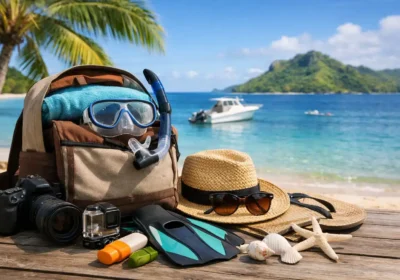
Caves are humid, slippery and often darker than expected. Wear swimmers under light clothing for water-based cave tours, and choose shoes with good grip for land caves. Reef shoes or secure sandals are often more useful than thongs, while closed shoes may be preferable for a muddy or uneven walking track.
Bring a small dry bag for your mobile, sunglasses and spare clothing. A towel, reusable water bottle and reef-safe sunscreen are sensible too, although sunscreen should not be applied immediately before swimming in a cave pool. If you are taking a camera, make sure it can handle low light and water splashes. A head torch may be useful for some inland cave walks, but confirm this with your operator first, as guides often provide lighting where needed.
Avoid bringing valuables you cannot protect from water. On island tours, belongings may stay on a boat, in a vehicle or in a designated dry area, but conditions vary.
The most important safety decision is simple: do not feel pressured to do the underwater section at Sawa-i-Lau. You do not need technical diving experience for the guided inner cave route, but you do need to be calm in deep water and capable of following the guide’s instructions. Tell your guide if you are nervous, travelling with children, have a medical condition or are not a strong swimmer.
For walking caves, take your time. Limestone can be polished and slick, particularly after rain. Hold handrails where provided, keep both hands free on steep sections and listen carefully when your guide asks the group to stay together. Caves are not the place to wander off for a better photo angle.
Wet-weather conditions can affect access. Fiji’s warmer, wetter months, generally from November to April, can bring heavy rain, rougher seas and muddy tracks. Cave tours may still operate, but the experience can change quickly depending on tides, road conditions and safety assessments. The drier months from May to October often bring more predictable conditions, though the water can feel cooler and popular tours may book out earlier.
A Fiji cave may be a natural attraction, but it can also be a place of deep significance to the people who care for it. Dress modestly when travelling through villages, follow any request to remove hats or shoes, and ask before photographing people, homes or ceremonial areas. Your guide will let you know if there are specific protocols for the site.
Inside the cave, leave rocks, shells and formations exactly where they are. Do not carve names into walls, feed wildlife or leave rubbish behind. Even small actions can damage fragile formations or disturb bats and other cave-dwelling animals. If you swim, avoid touching the cave walls and keep your group’s noise low.
Cave visits rely on boats, guides, weather and access arrangements, so they are not always ideal for a spontaneous final-day plan. Book ahead if you are travelling in the school holiday periods, staying in the northern Yasawas or organising a private group. It is also worth allowing a little flexibility in your itinerary in case sea conditions require a change of timing.
For travellers who want the logistics handled properly, Best Fiji Activities can help organise trusted cave tours alongside island stays, Coral Coast transport and other unforgettable Fiji adventures. Choose the cave that suits your route, listen to your local guide, and you will come away with far more than a few striking holiday photos.