Your cart is currently empty!
You may check out all the available trips and book one that suits you.
Continue Browsing Trips
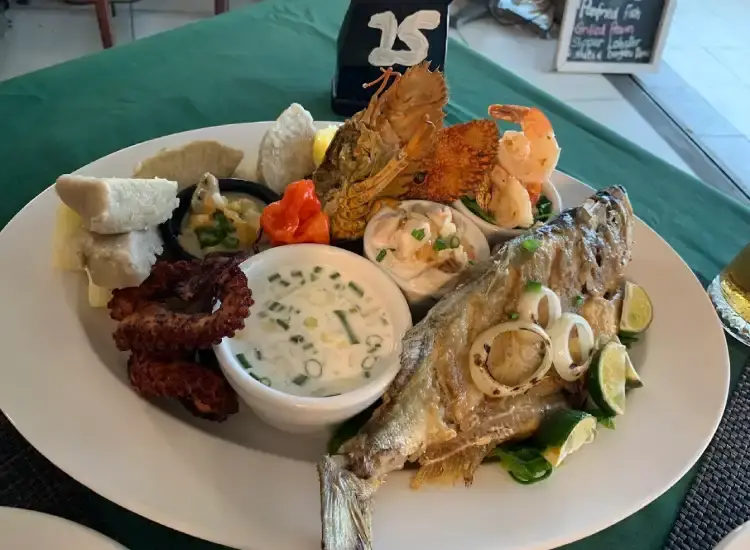
A sunset drink at Port Denarau is lovely, but a meal at Nadina authentic Fijian restaurant gives your Fiji holiday a flavour that lasts well beyond the last day of the trip. For travellers staying in Nadi or on Denarau Island, Nadina is a standout choice when you want more than an international resort menu. It is a relaxed place to try much-loved Fijian dishes, fresh local seafood and warm island hospitality in one of the most convenient dining precincts on the west coast.
Whether you have just arrived, are returning from a Mamanuca Islands day cruise, or are looking for a memorable final-night dinner, this is the kind of meal that turns an easy evening out into part of the holiday itself.
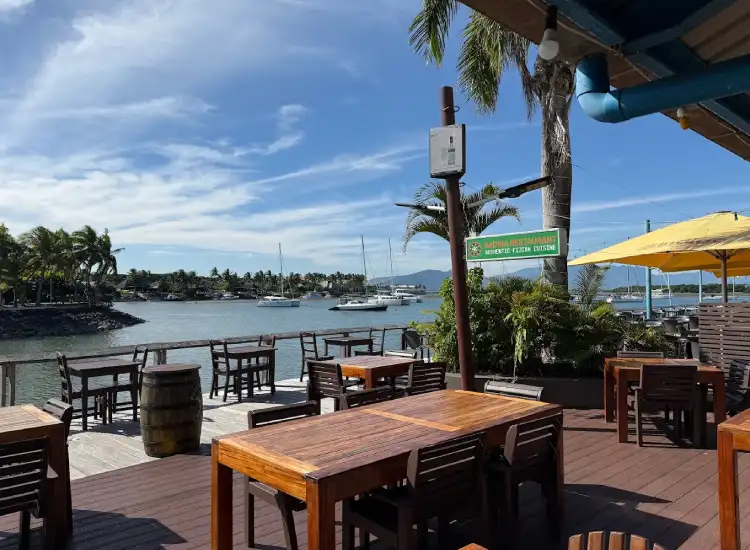
Fiji has excellent resort restaurants, but their menus can sometimes feel familiar: grilled fish, pizza, pasta and dishes designed for a broad international crowd. Nadina takes a more distinctly local path. The focus is on traditional Fijian cooking and Pacific ingredients, while still offering a comfortable, approachable setting for first-time visitors.
Its Port Denarau Marina location is a major advantage. The marina is easy to reach from Denarau resorts and Nadi, and it is a natural stopping point before or after island transfers, shopping, sunset strolls and cruises. You do not need to commit to a long journey into the countryside to enjoy a meal that reflects Fiji’s food culture.
The setting also suits plenty of travel styles. Couples can settle in for a leisurely dinner, families can share a spread of familiar and new flavours, and small groups can make it a sociable part of their evening. It is welcoming rather than overly formal, so arriving in holiday clothes after a day on the water feels completely right.
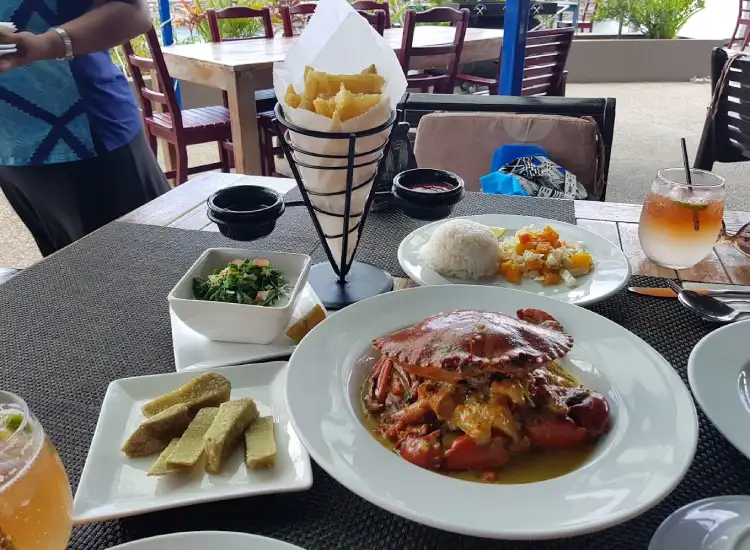
The best way to approach a Fijian menu is with curiosity and a willingness to share. Traditional food is often built around fresh fish, root crops, coconut cream, leafy greens and bright tropical flavours. Some dishes are gently spiced, but Fiji’s cooking is not generally about extreme heat. It is more about freshness, slow cooking and ingredients prepared with care.
Kokoda is the dish many visitors should try first. Often compared with ceviche, it features raw fish cured in citrus and mixed with coconut cream, onion, tomato and chilli. A good kokoda is cool, tangy and creamy, making it especially welcome after a warm day exploring Nadi or the islands. If you enjoy seafood but are uncertain about raw fish, ask your server about the preparation and heat level before ordering.
Lovo-style dishes are another great introduction to traditional Fijian food. A lovo is an earth oven where food is wrapped and slow-cooked over heated stones. The result is tender meat or fish with a gentle smoky character. Availability can vary, as some dishes require advance preparation or are offered at particular times, so it is worth checking ahead if a lovo meal is high on your Fiji wish list.
You may also see cassava, dalo and breadfruit served alongside your meal. These staple crops are central to Fijian cuisine and are far more than a substitute for potato. Cassava has a mild, satisfying texture, while dalo is denser and earthier. Both are excellent with coconut-based sauces, grilled seafood or slow-cooked meat.
For something deeply local, look for rourou, made from taro leaves and commonly cooked in coconut cream. The leaves have a rich, savoury quality, and the coconut brings a soft sweetness that balances saltier main dishes. It is an easy choice for travellers who want to move beyond the usual holiday buffet without choosing something intimidating.
Fresh fish is naturally a highlight. What is available may change with the season and local supply, which is exactly how a good Fiji dining experience should work. Rather than expecting one particular species every time, ask what is fresh and how the kitchen recommends enjoying it. That approach often leads to the best meal on the menu.
Nadina works best when it is built naturally into your day rather than treated as a rushed stop between bookings. If you are staying on Denarau Island, dinner after an afternoon by the pool is wonderfully easy. Allow time to wander around the marina beforehand, then settle in after the heat has eased.
For visitors based in Nadi, it can be a particularly convenient choice on arrival day. International flights can leave travellers tired and not quite ready for a big adventure, but a relaxed dinner near Denarau is a gentle way to begin the holiday. It also makes sense after a private sightseeing tour around Nadi, a visit to local markets or a day trip to the Sleeping Giant area.
Island-cruise days require a little more planning. Ferries and catamarans can return later than expected due to boarding times and weather conditions, so avoid setting a very tight dinner reservation immediately after your trip. Give yourselves a buffer, especially if you need to return to a resort to shower and change first.
Transport is simple, but it still pays to organise it properly. Denarau Island is close to Nadi, though travel times can stretch during busy periods. A pre-arranged transfer removes the question of finding a taxi at the end of the evening, particularly for families with young children, seniors or groups carrying shopping. Best Fiji Activities can help travellers coordinate reliable local transport alongside tours, leaving more time for the enjoyable part: deciding what to order.
Book ahead during school holidays, peak season and busy marina evenings. Port Denarau is popular with holidaymakers, cruise passengers and guests from nearby resorts, and the best dinner times can fill quickly. A booking is particularly sensible if you are travelling with a larger family group or want to dine around sunset.
Tell the team about dietary needs when booking or as soon as you arrive. Coconut, seafood and root vegetables feature heavily in Fijian cuisine, but menus often have choices that can suit different preferences. Vegetarian travellers should ask which dishes are prepared without fish stock or meat, while diners with allergies should be specific rather than assuming a dish is safe.
If it is your first experience of Fijian food, share a few dishes across the table. Start with kokoda or another entrée, add a seafood or meat main, and order a local side such as cassava, dalo or rourou. This gives everyone a chance to try more flavours without over-ordering. It is also a good option for children who may prefer to begin with familiar grilled items before sampling something new.
The trade-off is that traditional dishes can be richer than expected, particularly those made with coconut cream. On a hot evening, balance creamy dishes with fresh seafood, salads or citrus flavours. If you prefer lighter food, ask for recommendations based on what has been freshly caught or prepared that day.
Yes. The marina location, relaxed atmosphere and mix of approachable and traditional dishes make it a practical family dinner option. Younger diners can usually find simpler choices, while adults can enjoy a more adventurous taste of Fiji.
Not at all. Nadina is an easy dining destination for visitors staying in Nadi and is also worth considering for those passing through Port Denarau for island boats or day cruises. Just factor transport time into your plans.
Fijian cuisine brings together indigenous Fijian ingredients and cooking methods with Indian, Chinese and wider Pacific influences. At its heart are local seafood, tropical produce, root crops, coconut cream and communal dishes designed to be enjoyed together.
A meal at Nadina is not a substitute for visiting a village or joining a cultural tour, but it is a delicious, accessible way to understand another side of Fiji. Leave space in your itinerary for it, order at least one dish you have never tried, and let dinner become one more story you take home from the islands.